





 Thursday, 01-10-26








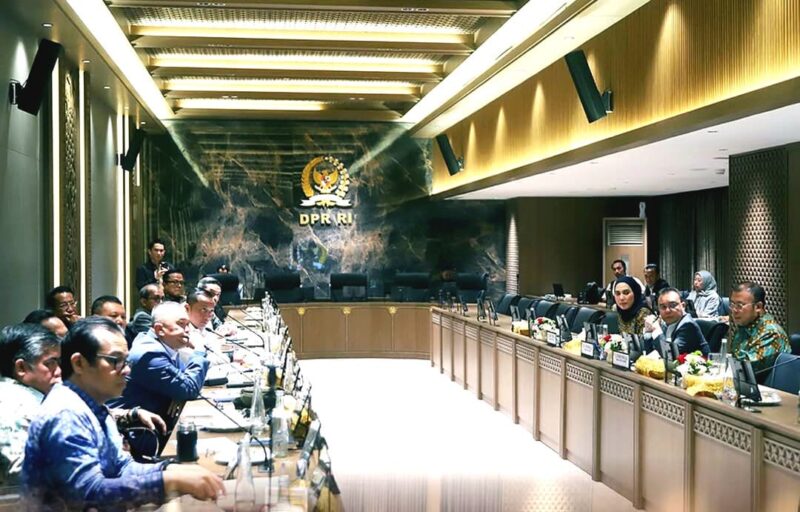
The Indonesian government is finalizing a major new ride-hailing regulation for online drivers (ojek online) before Independence Day 2026. On 10 August 2026, officials met with lawmakers to complete Presidential Regulation No. 27/2026, which will set formal rules for ride-hailing services. The plan is to finalize and issue the regulation before 17 August 2026. State Secretary Prasetyo Hadi confirmed that the meeting – attended by key ministers and legislators – addressed both the ojol Perpres and pending decisions on contract civil servants (PPPK).
Key Provisions and Driver Protections
The draft regulation includes several driver protections. A major proposal is to treat many drivers as micro-entrepreneurs. The Cooperatives/SMEs Minister Maman Abdurrahman said the rule will encourage classifying ojol drivers as small-business operators rather than just gig workers. This change is intended to give drivers clearer legal status and benefits, reflecting their vital role in Indonesia’s digital economy. Additional measures are expected for safety and welfare, since worker protection has been declared a top priority in this reform.
Guaranteed Revenue Sharing and Benefits
Another key feature is a guaranteed fare split between drivers and platform companies. President Prabowo announced in May 2026 that drivers must receive at least 92% of each fare (capping platform commissions at 8%). This 92:8 revenue cap was formalized in a presidential decree and took effect on 1 July 2026. Under the new rule, drivers keep 92% of every trip’s income. The Perpres will also require ride-hailing platforms to provide accident and health insurance for drivers. Transportation Minister Dudy Purwagandhi has instructed apps to clearly inform drivers about the 8% commission cap, after some drivers reported confusion about the deduction.
Scope and Implementation Plan
The regulation will initially cover two-wheeled services. Reports indicate it will first apply to motorcycle-based ride-hailing (ojek) and delivery services. Four-wheeled online taxis are not included in this phase, since they involve additional permits and local regulations. Likewise, motorcycle couriers for goods or food will need separate rules under other agencies. By starting with the dominant ojek online segment, the government can implement the new rule more quickly and then possibly expand coverage later.
PPPK and Workforce Reforms
In parallel, the government is finalizing policies for PPPK employees (contract civil servants). PPPK (Pegawai Pemerintah dengan Perjanjian Kerja) are public-sector contract staff awaiting official appointment orders. State Secretary Prasetyo noted that the 10 August meeting also discussed pending PPPK decisions. Media reports confirm that PPPK appointments were on the agenda, indicating that labor reforms are being addressed alongside transport policy. These coordinated steps suggest a broad effort to update both gig-economy rules and public workforce regulations at once.
Outlook and Impact
With the final draft close to completion, Indonesian ride-hailing drivers may soon see significant changes. The new Perpres will guarantee higher take-home pay and legal protections. The 92% revenue share and insurance requirements mean that most of each fare goes to the driver, and platforms must contribute to worker welfare. Recognizing drivers as micro-entrepreneurs could also open access to loans, training programs, or tax incentives. Ride-hailing companies will have to adjust their operations and systems to comply with the new rule. If the regulation is enacted by mid-August, it will mark a major shift in Indonesia’s gig economy policy, ensuring that drivers are formally protected under the law.
Read More