





 Tuesday, 29-09-26








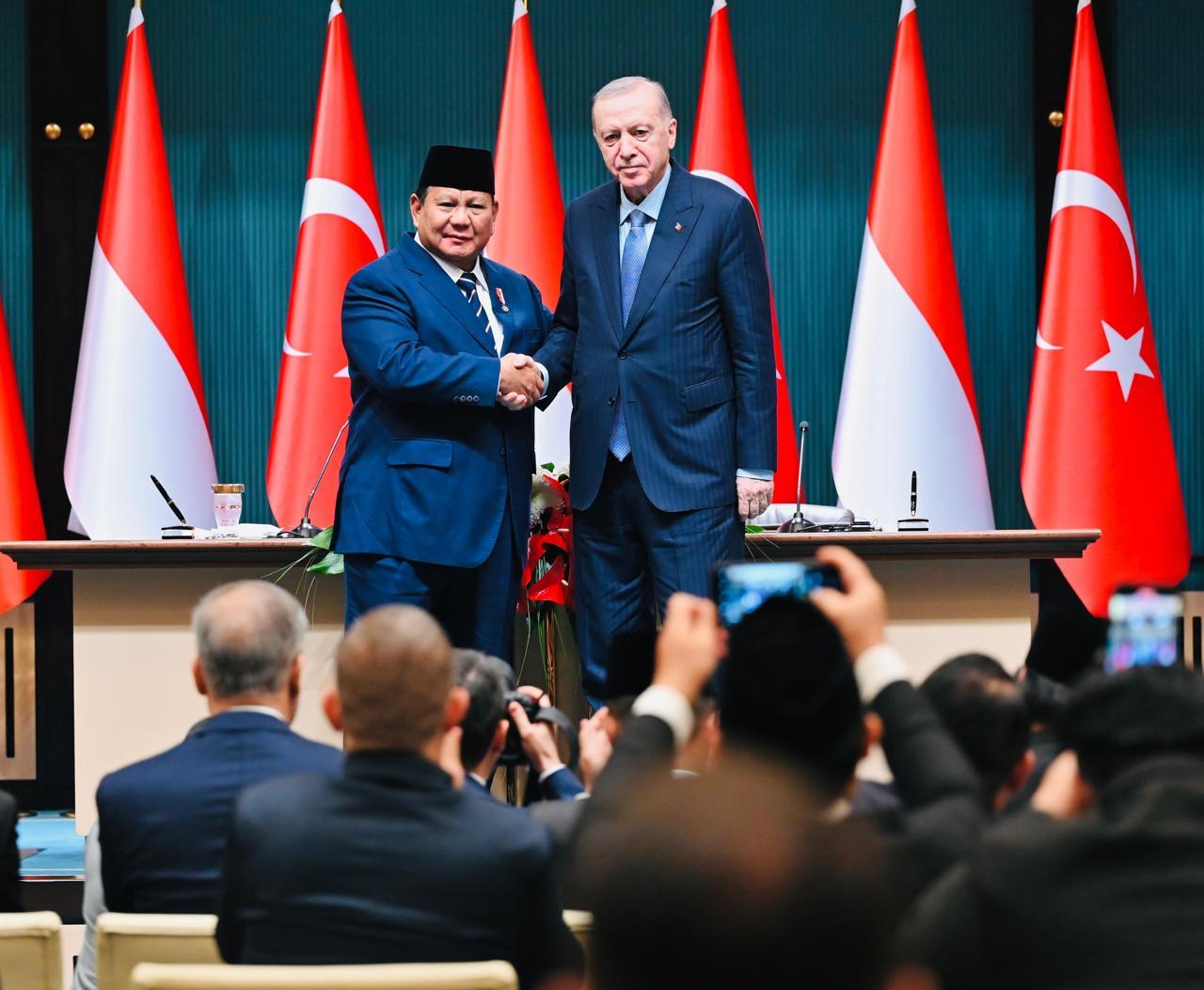
In an era defined by rapid geopolitical shifts and evolving security challenges, nations around the globe are continually evaluating and reshaping their national defense strategies. Defense procurement and strategic alliances have become fundamental components in maintaining sovereign integrity and deterrence capabilities. Recent high-level discussions between Indonesian President-elect and Defense Minister Prabowo Subianto and Turkish President Recep Tayyip Erdogan highlight a profound shift in global military partnerships. As Jakarta actively seeks to modernize its armed forces and enhance its aerial defense fleet, the deepening engagement between these two influential nations marks a pivotal development in global defense dynamics. This evolving alliance underscores how non-Western defense partnerships are growing in strategic significance, offering alternative pathways for technology transfer, joint production, and sovereign defense capability build-up. The overarching trajectory of Indonesia Turkey defense cooperation reflects a shared ambition to foster domestic industrial growth while securing national airspace against modern operational threats.
Expanding Horizons in Bilateral Security Partnerships
The relationship between Indonesia and Turkey has expanded dramatically over recent years, growing from traditional diplomatic ties into a comprehensive defense partnership. Both nations occupy strategically vital geographic positions within their respective regions, with Indonesia serving as the anchor of Southeast Asia and Turkey positioned as a crucial geopolitical bridge between Europe, Asia, and the Middle East. Recognizing these unique positions, leaders from both capital cities have sought to align their strategic interests to foster mutual security benefits.
During recent bilateral talks, top leadership emphasized the necessity of building sustainable, long-term military relations that go beyond transactional buyer-seller dynamics. Historical procurement models often left purchasing nations reliant on foreign suppliers for maintenance, spare parts, and software upgrades. In contrast, furthering the agenda for Indonesia Turkey defense cooperation through joint manufacturing and system integration ensures that both countries gain long-term strategic resilience. By combining Turkey’s rapidly maturing defense-industrial base with Indonesia’s sizable market and growing industrial capacity, both nations are establishing a blueprint for South-South defense collaboration. This approach allows developing and emerging powers to build military self-reliance while circumventing the restrictive political conditions sometimes attached to conventional Western arms transfers.
The Strategic Role of Fighter Jets in Air Defense Modernization
A central priority within Indonesia's defense overhaul is the modernization of its air force, the Tentara Nasional Indonesia-Angkatan Udara (TNI-AU). To protect its vast archipelago spanning thousands of islands, Indonesia requires a sophisticated, multi-layered air defense architecture capable of securing territorial airspace, monitoring strategic sea lanes, and projecting regional air superiority. In recent years, Ministry of Defense officials have pursued a multi-source procurement strategy, evaluating airframes from various global manufacturers to replace aging platforms and bolster defensive capacity.
Within this comprehensive air modernizing framework, discussions surrounding advanced fighter jets and air combat systems play a paramount role. The military leadership in Jakarta recognizes that acquiring cutting-edge aircraft is only part of the equation; seamless integration, radar compatibility, guided munitions capability, and pilot training are equally crucial. Turkey’s aerospace industry has made remarkable strides in developing domestic combat platforms, including next-generation unmanned combat aerial vehicles (UCAVs) and fifth-generation fighter jet programs like the TAI Kaan. Integrating such technology forms a vital component in the broader framework of Indonesia Turkey defense cooperation, providing Indonesia with direct access to modern aerospace technology while reinforcing Turkey's standing as a major global exporter of military platforms.
Key Pillars of Strategic Technology Sharing and Defense Production
One of the defining elements of modern defense deals is the transfer of technology (ToT). Modern defense acquisition is no longer solely about acquiring finished military hardware; it is about building indigenous capability to sustain, repair, and innovate future iterations of that hardware locally. For Indonesia, industrial autonomy is a core legal mandate under national law, requiring foreign defense vendors to provide offset packages, local content integration, and technological knowledge sharing.
Turkey’s defense industry offers a compelling template for rapid technological self-sufficiency. Over the past two decades, Turkish defense enterprises have transformed national military procurement from heavy foreign reliance to substantial domestic self-reliance. Joint ventures involving land systems, such as the Kaplan MT medium tank co-developed by Turkey’s FNSS and Indonesia’s PT Pindad, have demonstrated the practical viability of this joint development model. Expanding this cooperative philosophy to the aerospace domain emphasizes how Indonesia Turkey defense cooperation extends far beyond simple purchasing agreements. Through collaboration among state-owned enterprises like PT Dirgantara Indonesia (PTDI) and Turkish Aerospace Industries (TAI), both nations can establish robust supply chains, elevate indigenous engineering capabilities, and create highly skilled technical jobs within their respective domestic aerospace sectors.
Navigating Geopolitical Dynamics Across Southeast Asia and the Middle East
The strategic alignment between Jakarta and Ankara carries notable geopolitical implications that ripple across Southeast Asia, the Middle East, and the broader Indo-Pacific region. Indonesia has long adhered to a "free and active" foreign policy, maintaining strategic autonomy by avoiding exclusive military alliances with major global superpowers. By diversifying its defense partnerships to include nations like Turkey, France, and regional neighbors, Indonesia reinforces its non-aligned diplomatic posture while ensuring its military readiness remains robust and adaptable.
For Turkey, expanding defense partnerships into Southeast Asia serves as a natural extension of its active foreign policy strategy, which aims to diversify trade relations and establish a presence in rapidly growing global markets. Southeast Asia represents a dynamic region with increasing defense requirements driven by maritime security concerns, territorial disputes, and regional stability needs. Through consistent defense diplomacy, Turkey establishes itself as a reliable partner capable of delivering high-quality defense systems without strategic strings attached. Furthermore, the long-term impact of Indonesia Turkey defense cooperation will likely redefine regional security architectures, demonstrating that middle powers can successfully collaborate to build credible military capabilities and maintain regional stability independent of traditional global power blocks.
Future Prospects for Defense Procurement and Aerospace Collaboration
Looking to the future, the defense relationship between Indonesia and Turkey is poised for sustained expansion across multiple defense domains. While fighter jets and aerospace technology dominate current headlines, defense planners are actively exploring joint initiatives in naval systems, cyber defense, electronic warfare, and automated land platforms. As military technology increasingly shifts toward network-centric warfare, artificial intelligence, and autonomous systems, joint research and development initiatives will prove vital for maintaining tactical advantages on the modern battlefield.
The ongoing dialog between Prabowo and Erdogan highlights a shared long-term vision rooted in mutual respect, industrial sovereignty, and strategic foresight. As delivery timelines for advanced aerial platforms approach and joint production projects mature, the security infrastructure of both nations will reap significant operational advantages. By establishing resilient defense production capabilities and strengthening military interoperability, Indonesia and Turkey are laying a durable foundation for future defense endeavors. Ultimately, this strategic partnership demonstrates how defense collaboration can transcend geographical boundaries to create a safer, more resilient international security landscape.
Read More