





 Friday, 05-06-26








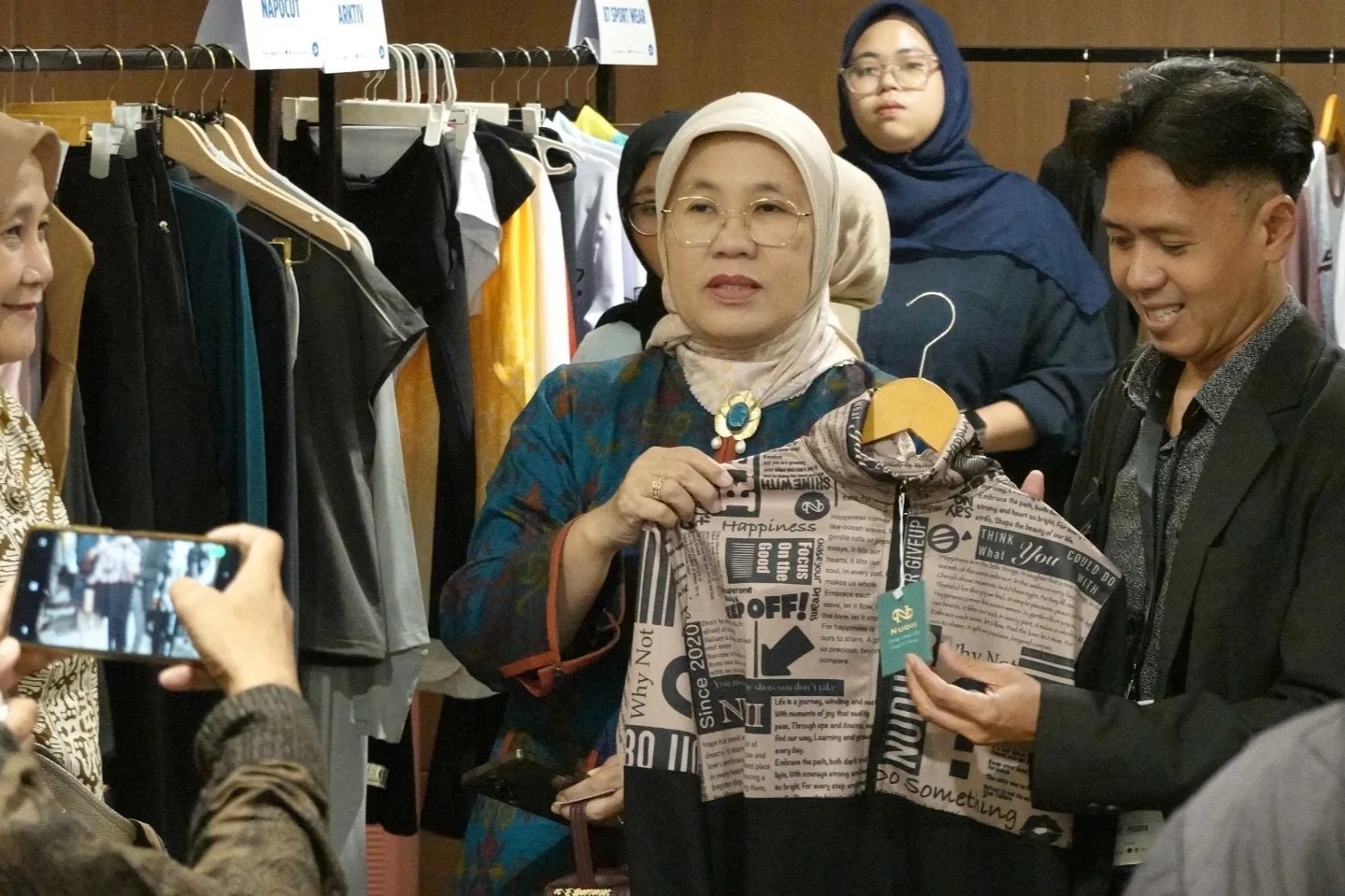
The Ministry of Industry is strengthening the national sports industry ecosystem through the Business Matching Indonesia Sport and Active Wear (ISAW) Ecosystem: B2B Market Activation event in Jakarta, aimed at connecting sportswear, footwear, and sports equipment industries with retail businesses, sports organizations, and potential strategic partners (3/6).
Industry Minister Agus Gumiwang Kartasasmita said the sports products industry continues to show positive growth alongside rising public awareness of healthy lifestyles, the increasing number of fitness centers, the growing number of sports events, and the expansion of sports communities across Indonesia.
“The clothing, footwear, and sports equipment industries have a strategic role and very large opportunities for continuous development as market demand grows, both nationally and globally,” said Agus in Jakarta on Friday (5/6).
ISAW 2026 Connects SMEs With Retail and Industry Partners
The business matching event was organized as part of efforts to strengthen the national sports industry ecosystem.
The program brought together sportswear and footwear manufacturers, sports equipment producers, retail businesses, sports organizations, and other potential strategic partners.
Agus expressed appreciation for the collaboration among stakeholders involved in the initiative, including the Indonesian Retail and Shopping Center Tenants Association (HIPPINDO), the Indonesian Sportswear Association (ASPOIN), leaders of sports governing bodies, and other stakeholders.
“We appreciate all parties who have synergized to expand sustainable market access for SMEs in sportswear and footwear, as well as the sports equipment industry, enabling stronger connections with national industrial and retail supply chains,” he said.
Sports Industry Contributes to Employment and the National Economy
Director General of Small, Medium, and Various Industries (IKMA) Reni Yanita said the business matching program serves as a concrete step to strengthen the use of domestic products and improve the competitiveness of industries supporting the sports ecosystem.
“This activity is part of efforts to increase the capacity and competitiveness of industries supporting the sports ecosystem to grow, expand markets, and contribute to national industrial development,” said Reni.
According to 2024 data from Statistics Indonesia (BPS), around 623,000 small garment businesses were employing approximately 1.2 million workers.
The medium-sized garment industry consisted of 1,200 businesses employing around 39,000 workers.
The leather, leather goods, and footwear subsector included around 48,000 small industries and 415 medium industries, employing more than 139,000 workers.
In the first quarter of 2026, the garment industry contributed 0.99% to Indonesia’s Gross Domestic Product, while the leather, leather goods, and footwear industry contributed 1.30%.
Exports Reflect Growing Potential of Indonesian Sports Products
Reni said the industry's potential is also reflected in export performance. Data from the Ministry of Industry’s Data and Information Center showed that garments and sports footwear were among the top 20 manufacturing export commodities in February 2026.
Garment exports were valued at USD626.32 million, while sports footwear exports reached USD340.81 million.
“This potential indicates that industries supporting the national sports ecosystem have great opportunities to continue growing and become an essential part of strengthening Indonesia’s manufacturing structure,” she said.
Sports Equipment Industry Expands Global Market Reach
In addition to sportswear and footwear, Indonesia’s sports equipment industry continues to record positive development.
The industry operates across various regions and is supported by SME centers that play an important role in the national industrial supply chain.
The sports equipment industry employs up to 15,000 workers and contributes to regional economic growth. Over the past five years, the sector has maintained a trade surplus.
In 2025, sports equipment exports increased by 11.3% compared with the previous year. Indonesian sports products have reached international markets, including the United States, Japan, South Korea, the Netherlands, and the United Kingdom.
Government Continues Support for Sports Industry Development
The Ministry of Industry expects the ISAW 2026 Business Matching program to strengthen business-to-business relations between supported industries and buyers, retail businesses, sports organizations, and other potential business partners.
“The presence of both national and global buyers is expected to open opportunities for sustainable cooperation so that industries supporting the sports ecosystem do not only obtain short-term transactions, but also become part of a broader and more continuous industrial and retail supply chain,” said Reni.
Director of Chemical, Textile, and Handicraft SMEs Budi Setiawan said the business matching event is part of the ISAW 2026 series, which will be held again in September.
A total of 22 SMEs producing sportswear, footwear, and sports equipment participated in the event and met with more than 30 potential partners, including buyers, sports organizations, sports federations, and retail businesses.
The event also featured discussions, business pitching sessions, and networking activities to strengthen collaboration among industry players.
The government, through the Ministry of Industry, stated it will continue supporting the development of the national sports industry through industry development programs, human resource capacity building, promotion facilitation, innovation strengthening, and expanded market access to improve the competitiveness of Indonesian sports products in domestic and global markets.
PHOTO: PALEMBANG YOUTH AND SPORTS AGENCY
This article was created with AI assistance.
We make every effort to ensure the accuracy of our content, some information may be incorrect or outdated. Please let us know of any corrections at [email protected].
Read More