





 Wednesday, 03-06-26








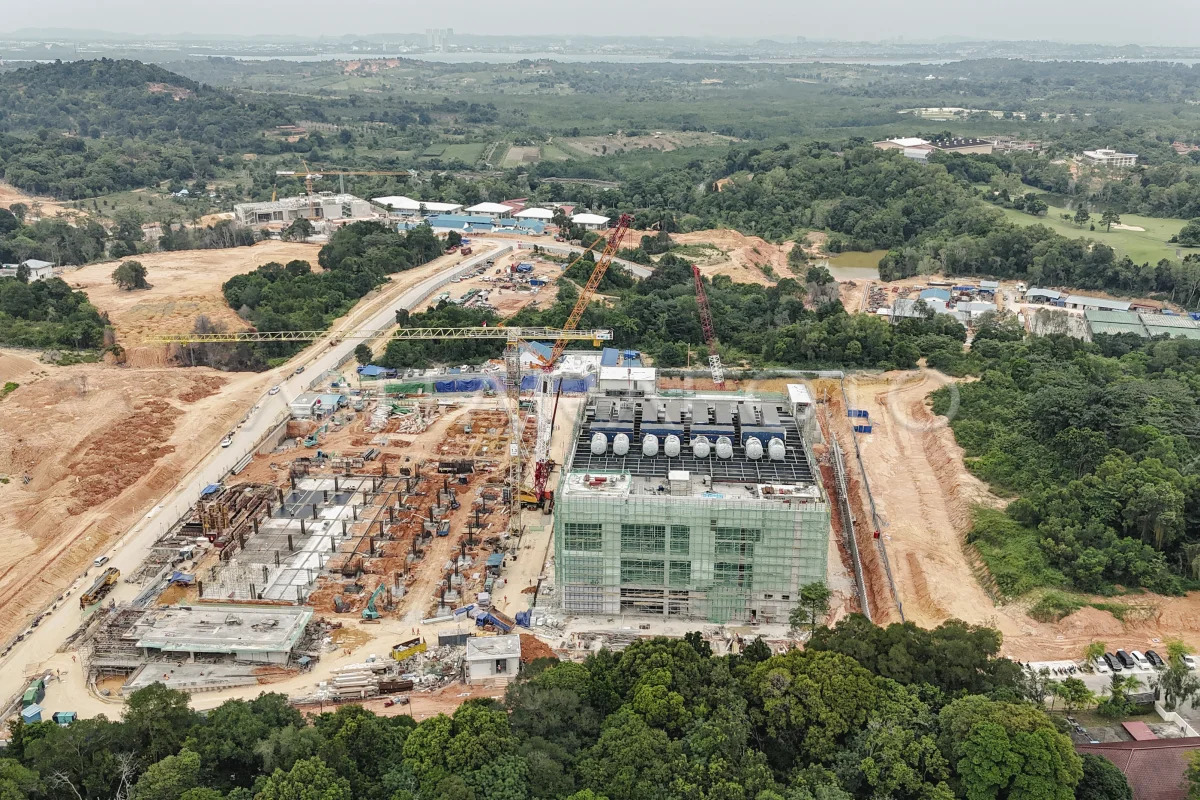
The regional race for digital infrastructure is entering a new phase, and Batam is suddenly at the center of it. According to the report, data center investment in Asia Pacific reached US$4.1 billion, or around Rp73.2 trillion, in the first quarter of 2026, driven by surging demand for AI and cloud services. That surge is not only about scale. It is also about location, power availability, and the ability of governments to support complex digital infrastructure quickly and reliably. Batam is emerging as one of the places investors are watching most closely.
This is important because the data center market is no longer defined purely by proximity to major cities. Developers are increasingly looking for places where electricity is stable, regulation is predictable, and expansion can happen without major bottlenecks. The report notes that energy constraints in major markets are pushing developers toward alternative locations such as Batam in Indonesia, Johor Bahru in Malaysia, and Bangkok in Thailand. In other words, data center investment is following the power grid as much as it is following demand.
For Indonesia, that shift creates a strategic opening. Batam already has a reputation as an industrial and logistics hub, but the current wave of digital infrastructure interest suggests a broader transformation. If the city can keep building energy capacity, maintain regulatory certainty, and accelerate project execution, it could become a major node in Southeast Asia’s digital economy. The latest momentum around AI data center projects shows that this is no longer a distant possibility. It is becoming an active investment thesis.
Why Data Center Investment Is Rising Across Asia Pacific
The strongest driver behind the current wave of data center investment is straightforward: AI and cloud computing require far more computing power than traditional enterprise systems. JLL reported that demand for data center capacity, driven by AI and cloud services, is expected to grow by an average of 19 percent annually over the next five years. That forecast matters because it implies a sustained need for new facilities, new power supply, and new digital infrastructure across the region.
JLL also said commercial property investment in Asia Pacific reached US$47 billion in the first quarter of 2026, up 31 percent from the same period a year earlier, with data centers acting as one of the sector’s growth engines. That means this is not a niche story limited to technology circles. It is part of a broader capital rotation into assets tied to digital growth, operational resilience, and long-term infrastructure demand.
There is also a practical reason capital is moving now. In major markets, electricity supply has become a real constraint. Stuart Crow, CEO of Asia Pacific Capital Markets at JLL, said developers are redirecting expansion to new locations because of limited power in core markets. That is a critical point. Data center investment is not just about land banking or government incentives. These facilities operate 24 hours a day and require large, stable power supplies. Without that, the model breaks down.
The market is also becoming more selective. Investors are increasingly looking for places that can balance operating costs, energy reliability, and regulatory support. That is why the next generation of data center hubs may not be the places that were dominant in the past. Instead, they may be cities and regions that can offer a cleaner path to scale. Batam fits that logic well because it combines industrial capacity, proximity to regional routes, and an improving investment profile.
Why Batam Is Becoming A Strategic Bet
Batam’s rise in the data center conversation is not accidental. The BP Batam statement shows a concrete example of how the city is positioning itself. On May 25, 2026, BP Batam and PLN Batam signed a power purchase agreement related to an AI data center project led by PT Equator Gate System Batam, supported by Range Intelligent Computing Technology Company Limited. The project is described as a high-density AI data center and is valued at around US$5 billion, or roughly Rp88 trillion, with development covering about 30 hectares in Nongsa.
That kind of project is meaningful for two reasons. First, it signals that Batam is no longer being considered only for traditional manufacturing and logistics. It is increasingly being seen as a location for advanced digital infrastructure. Second, it shows that serious investors are willing to commit large capital when energy readiness, licensing clarity, and execution support are in place. BP Batam emphasized exactly those factors, especially stable electricity supply and a fast-track execution model.
BP Batam also said the project could attract related industries such as cloud computing, semiconductor ecosystems, and AI services. That matters because data center investment can create a multiplier effect. One anchor project can lead to a cluster of suppliers, contractors, technical services, and talent development programs. In the Batam case, the agency expects the project to support around 700 to 800 professional jobs in data center and digital technology roles, with collaboration from local universities to support recruitment and talent development.
This is where Batam’s strategic appeal becomes clearer. The city offers a combination of geographic advantage, cross-border connectivity, industrial base, and policy support. The Gokepri report noted that Batam is now being viewed as a new location for data center expansion because investors are seeking places with sufficient energy and room to grow. That is a strong sign that Batam is moving from being a supporting industrial city to being an execution hub for digital infrastructure.
What The Numbers Mean For Investors And Policymakers
For investors, the message is simple. The next wave of data center investment will reward locations that can solve infrastructure bottlenecks before they become crises. Land is important, but electricity is essential. Policy support is important, but fast implementation is just as critical. The APAC market is showing that capital is ready to move, but it is moving toward places that can de-risk expansion and support long-term uptime.
For policymakers, Batam’s momentum should be treated as a test case. If the city can coordinate energy supply, licensing, education, and industrial planning effectively, it can become a model for how Indonesia attracts next-generation infrastructure. The BP Batam release is notable because it frames the project not just as a single investment, but as part of a broader digital ecosystem strategy. That includes jobs, technology transfer, and stronger competitiveness in the regional digital economy.
There is also a wider national implication. Indonesia has a large domestic market and a growing digital economy, which are both attractive to investors. Combined with Batam’s special positioning near regional trade and technology routes, the country has a chance to capture more of the regional shift in data infrastructure. But that opportunity will depend on execution. A strong headline investment does not automatically translate into sustained industrial depth. It has to be supported by energy reliability, talent pipelines, and regulatory follow-through.
The broader trend is clear. As AI adoption expands, data center investment is becoming a core part of the digital economy, not a side story. This means cities that once competed mainly on logistics or manufacturing will now also compete on computational infrastructure. Batam appears ready to make that leap, but the next stage will depend on whether the city can convert investor interest into working assets at scale. If it succeeds, the impact could extend far beyond one project or one sector.
Conclusion
Batam is benefiting from a regional rebalancing in digital infrastructure. As AI and cloud demand rise, investors are looking for locations with strong energy access, clear regulation, and room to expand. The latest figures show that data center investment is accelerating across Asia Pacific, while Batam is emerging as one of the most closely watched destinations in the region. The opportunity is real, but so is the challenge. Success will depend on execution, not just intention.
Read More