





 Tuesday, 02-06-26








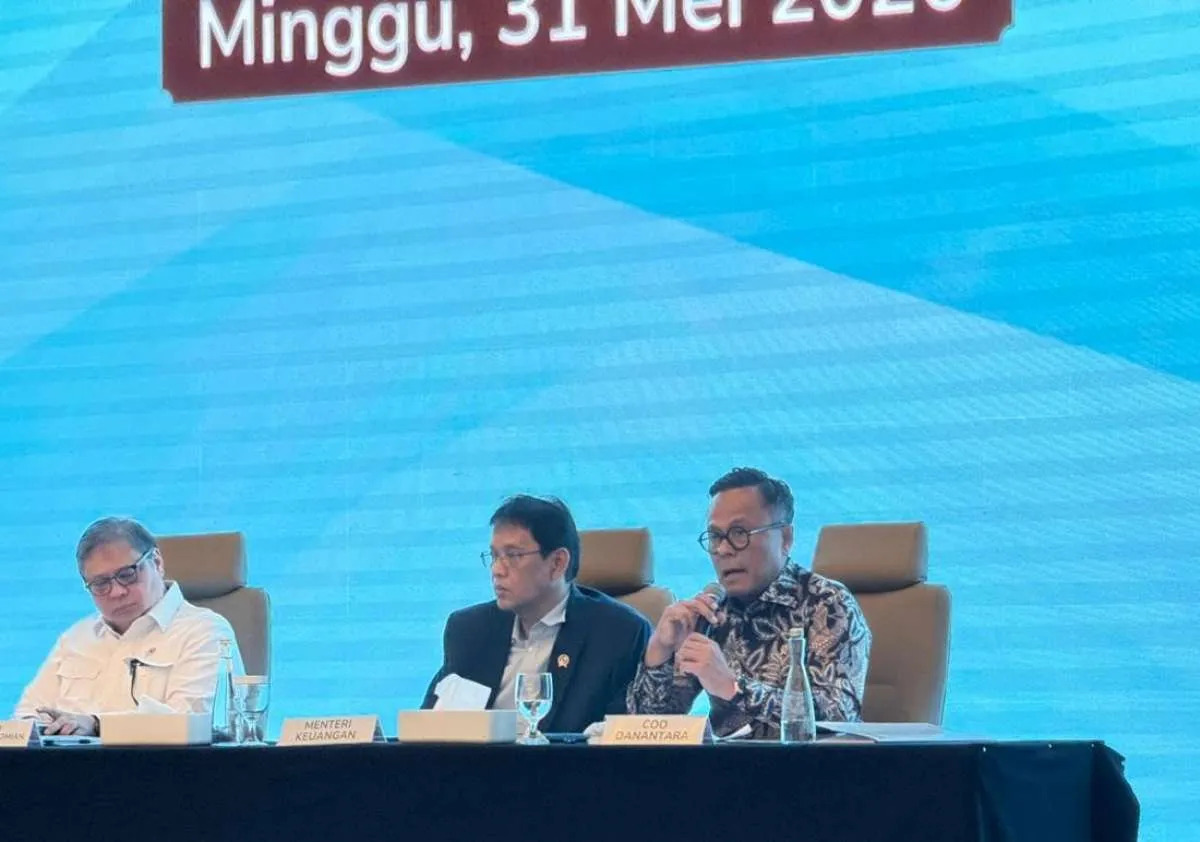
Indonesia has entered a new stage in its management of strategic commodity exports. Starting June 1, 2026, exporters of coal, palm oil, and ferroalloys are required to route reporting through PT Danantara Sumberdaya Indonesia, a state-linked entity under the Danantara sovereign wealth fund. The government says the move is meant to improve transparency, strengthen export supervision, and keep more foreign exchange earnings onshore. Full implementation is planned for January 1, 2027.
The Danantara export policy has quickly become one of the most closely watched trade developments in Indonesia this year because it touches the country’s biggest commodity earners. In 2025, coal, palm oil, and ferroalloys generated US$66.13 billion in export value, or 23.4 percent of total national exports, which explains why the transition is drawing attention from businesses, investors, and policymakers alike.
What The Danantara Export Policy Changes
At its first stage, the Danantara export policy does not stop exports. Instead, it introduces a new reporting mechanism that requires exporters to submit documentation through DSI while shipments continue. The government has said this is a transition period, giving exporters time to adjust before the system becomes fully operational in 2027.
The policy is part of a broader effort to tighten oversight of Indonesia’s strategic resource trade. According to government statements, the goal is to reduce under-invoicing, improve tax collection, and ensure that the country captures a fairer share of the value created by its resource exports. Reuters reported that the policy is also intended to stabilize the rupiah by encouraging exporters to retain foreign earnings domestically.
The transition also reflects a more centralized approach to trade governance. Danantara, the state wealth fund created under the current administration, is now being used as a vehicle to coordinate key export flows. Reuters reported that the new structure is designed to bring more control to strategic commodities, while the government insists the process will be transparent and not disrupt existing trade chains.
For businesses, the practical implication is clear. Exporters of coal, palm oil, and ferroalloys now need to adapt to a new compliance layer, even if commercial shipments remain unchanged for the moment. That means more documentation discipline, more visibility for the state, and a stronger expectation that export proceeds will be monitored more closely than before.
Why The Government Is Moving Now
The timing of the Danantara export policy is tied to the government’s push to strengthen national revenue and improve the quality of commodity trade oversight. In the official explanation, the policy is meant to maximize export proceeds for the economy, increase state revenue, and reduce leakages that can occur when trade values are not reported accurately.
This matters because Indonesia’s resource exports are central to its external balance. Coal, palm oil, and ferroalloys have been key drivers of the country’s trade surplus, which is why the government sees them as the right place to begin. Airlangga Hartarto said the three commodities were selected because they have consistently supported the surplus, and the state now wants more disciplined reporting around them.
The policy also responds to persistent concerns over pricing transparency. Reuters reported that the government wants to counter under-invoicing and keep proceeds onshore, while Danantara has said it will operate transparently. That combination suggests the state is trying to solve a familiar problem in commodity exports: how to increase control without causing a shock to trade flows.
There is also a macroeconomic dimension. Indonesia has been under pressure to support the rupiah and safeguard foreign exchange reserves, and export proceeds are a critical part of that equation. By requiring exporters to retain more earnings in domestic banks and report through a state framework, the government is trying to tighten the link between natural resource exports and domestic financial stability.
That said, any policy that changes the export chain for major commodities will be watched carefully by markets. Reuters noted that the announcement initially raised concern among businesses and investors about pricing, contract continuity, and regulatory clarity. Even if the government frames the transition as orderly, the market will judge it by execution.
How Businesses And Markets May Respond
The biggest question around the Danantara export policy is whether it can improve state control without reducing commercial efficiency. Exporters generally value certainty, and the more steps a system adds, the more important it becomes to keep the process simple, fast, and predictable. That is especially true for coal and palm oil, where global buyers often work with tight scheduling and price sensitivity.
Danantara has tried to calm those concerns by saying existing long-term contracts will be honored. Reuters reported that the fund intends to respect current agreements while reviewing prices to ensure they align with global market levels. That is an important signal, because the fastest way to damage confidence would be to suggest that contracts can be rewritten without warning.
In the near term, the policy may create more paperwork than disruption. ANTARA reported that during the first phase, DSI will supervise reporting only, and exporters will still be able to continue shipments during the transition. The government also said the first three months will be used for evaluation before broader implementation in 2027.
Still, investors will not only look at the policy text. They will look at how the new system affects pricing power, customs processing, logistics timing, and settlement efficiency. If the new process slows trade flows or creates uncertainty, then the intended fiscal gains may be offset by lower market confidence. If it runs smoothly, the government could claim a major reform victory.
For commodity-linked companies, the key response should be preparedness. That means checking compliance systems, reviewing contract language, mapping reporting obligations, and ensuring export documentation is aligned with the new framework. In a policy shift like this, the cost of being unprepared is usually higher than the cost of early adjustment.
What The Policy Could Mean For Indonesia's Trade Future
The long-term significance of the Danantara export policy is that it may reshape how Indonesia thinks about control over strategic resources. The country is not simply changing an administrative process. It is redefining how the state participates in export governance for some of its most valuable commodities.
If the policy works as intended, Indonesia could gain better visibility into export values, stronger tax collection, and a firmer grip on foreign exchange flows. That would be meaningful for a resource economy that wants to extract more national value from its commodities instead of relying only on volume growth.
But success will depend on execution. A centralized system can only deliver benefits if it earns trust from exporters, foreign buyers, banks, and regulators. If DSI becomes a bottleneck, the policy could create friction. If it becomes a clean and transparent coordination platform, it may become one of the administration’s most important trade reforms.
The first phase starting June 1, 2026, is therefore less about immediate disruption and more about setting the tone for what comes next. The government has chosen a phased rollout, and that suggests it knows the stakes are high. The real test will arrive over the next several months, as the transition period reveals whether the new system can balance state ambition with market practicality.
Conclusion
The Danantara export policy is a major shift in Indonesia’s commodity export governance. By starting with coal, palm oil, and ferroalloys, the government is targeting the sectors most central to its trade surplus and foreign exchange earnings. Officials say the transition will improve transparency, protect revenue, and avoid disruption, while the market will be watching for evidence that those promises hold in practice.
For now, the policy represents a careful but consequential move toward tighter state oversight of strategic exports. Its real impact will depend on how well Danantara and the government manage the transition, reassure investors, and keep commodity trade moving smoothly.
Read More