





 Friday, 09-10-26








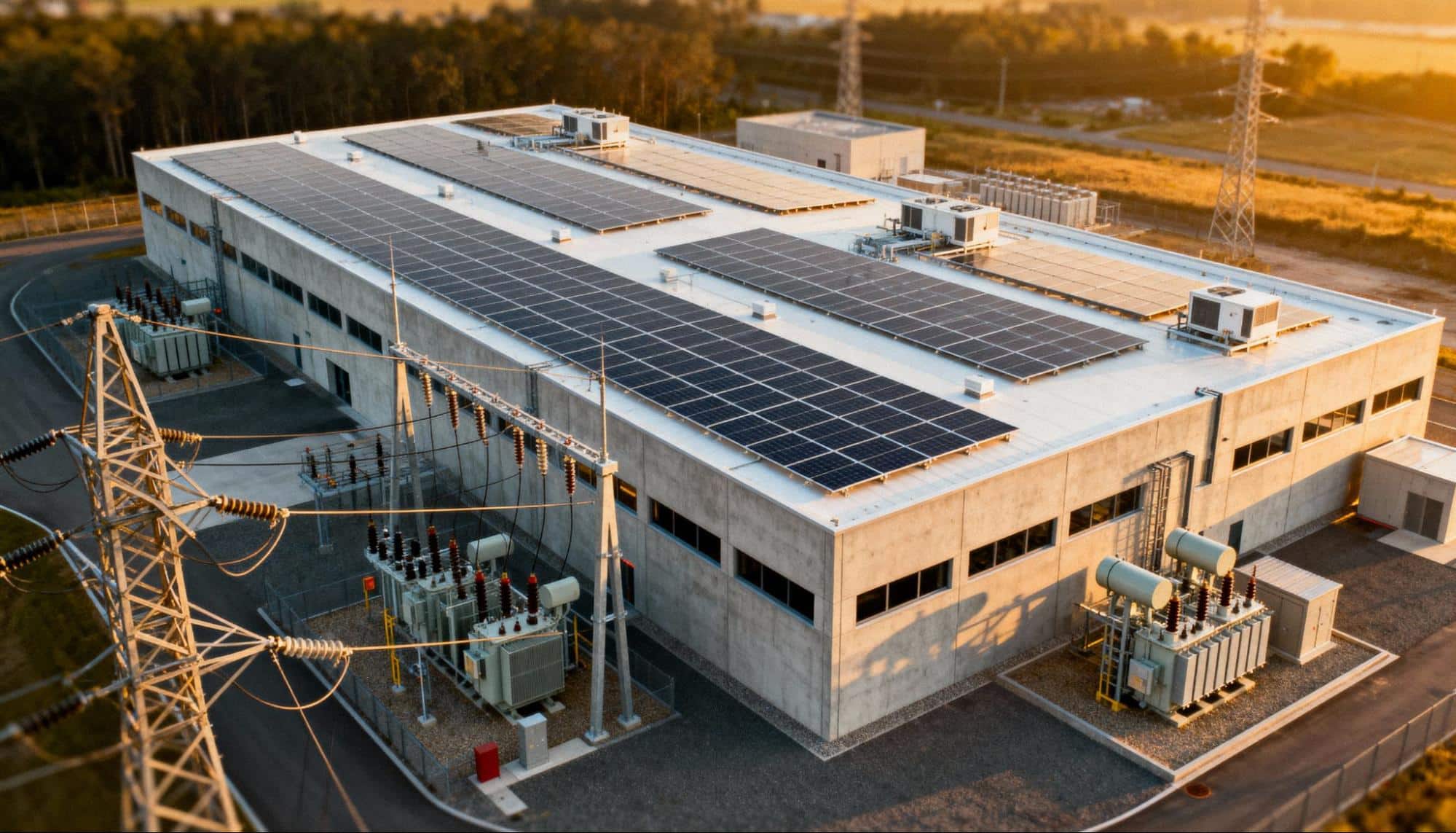
Indonesia’s renewable energy sector is entering a new phase as declining costs of solar power systems and battery energy storage systems improve the economic feasibility of clean energy projects. Industry experts believe the falling price of solar technology and energy storage infrastructure could significantly accelerate the country’s transition toward a lower carbon energy system.
However, despite improving economics, execution remains the biggest challenge. The combination of solar photovoltaic systems and battery energy storage systems, commonly known as BESS, is increasingly viewed as one of the most important solutions for supporting renewable energy reliability. As battery prices continue declining globally, many countries are scaling up renewable projects to reduce dependence on fossil fuels and strengthen long term energy security. The growing importance of Solar Battery Storage is especially relevant for Indonesia, which faces rising electricity demand alongside ambitious decarbonization targets. The country is attempting to balance economic growth, industrial expansion, and environmental sustainability while reducing emissions from coal based electricity generation.
Industry observers note that technology costs are no longer the main barrier for many renewable projects. Instead, regulatory uncertainty, financing structures, infrastructure readiness, land acquisition, and project execution speed have become more critical challenges. The momentum surrounding Solar Battery Storage reflects a broader global transition where renewable energy is becoming increasingly competitive with conventional power generation. Improvements in battery efficiency, declining manufacturing costs, and stronger investment interest are transforming the economics of clean energy systems worldwide. As Indonesia continues pursuing its net zero ambitions, the ability to accelerate renewable project execution may determine whether the country can fully capitalize on the economic advantages of modern solar and battery technologies.
Falling Costs Improve Renewable Energy Competitiveness
Over the past decade, solar photovoltaic technology and battery storage systems have experienced significant cost reductions globally. According to data from the International Renewable Energy Agency, utility scale solar photovoltaic costs have fallen dramatically due to manufacturing efficiency improvements, supply chain expansion, and stronger global demand. Battery prices have also declined rapidly as electric vehicle adoption and large scale battery manufacturing continue expanding worldwide.
This trend is reshaping the economics of renewable energy projects. The growing affordability of Solar Battery Storage allows renewable systems to provide more stable and reliable electricity output. Battery storage helps overcome one of the main limitations of solar power, which is intermittent energy generation depending on sunlight availability. By storing excess electricity during peak solar production periods, battery systems can release energy during nighttime hours or periods of high electricity demand. This improves grid stability and allows renewable energy systems to operate more efficiently.
Industry experts believe these technological improvements are making renewable energy increasingly competitive compared to coal and gas power plants in many markets. Indonesia is beginning to benefit from these global cost declines. Renewable energy developers are showing greater interest in utility scale solar projects combined with battery storage infrastructure. Several energy analysts note that Solar Battery Storage projects are now approaching economic viability even without heavy subsidy support in certain market conditions. This creates new opportunities for Indonesia to diversify its energy mix while reducing long term exposure to fossil fuel price volatility. At the same time, international investors are increasingly prioritizing renewable energy assets due to growing environmental, social, and governance commitments. Global financial institutions continue directing more capital toward clean energy infrastructure and sustainable investment portfolios. As financing conditions improve, renewable energy developers are expected to accelerate project pipelines across Southeast Asia, including Indonesia.
Battery Energy Storage Systems Become Strategic Infrastructure
Battery energy storage systems are rapidly becoming one of the most important components of modern electricity infrastructure. Traditionally, electricity grids relied heavily on fossil fuel plants to maintain stable energy supply and balance fluctuations in electricity demand. However, the expansion of renewable energy requires more flexible grid management systems.
Solar Battery Storage plays a critical role in enabling this transition. Battery systems provide several strategic advantages for power grids. They can stabilize electricity frequency, manage peak demand periods, improve renewable integration, and reduce dependence on expensive backup generation. As renewable penetration increases, battery infrastructure becomes increasingly valuable for maintaining grid reliability. Countries worldwide are now investing aggressively in energy storage systems to support renewable energy expansion. China, the United States, Europe, Australia, and several Middle Eastern countries are rapidly scaling utility scale battery projects.
Indonesia is also beginning to recognize the strategic importance of battery storage infrastructure. The country’s geography creates unique challenges for electricity distribution because Indonesia consists of thousands of islands with varying energy demand patterns. Solar and battery systems could help support distributed energy development and improve electricity access in remote regions. Battery storage also aligns with Indonesia’s broader ambitions in the electric vehicle supply chain. The country possesses large nickel reserves, which are important for battery manufacturing. This creates potential opportunities for Indonesia to strengthen its domestic battery ecosystem while supporting renewable energy infrastructure simultaneously. The future growth of Solar Battery Storage could therefore generate broader economic benefits beyond electricity generation alone. It may contribute to industrial development, supply chain expansion, job creation, and export opportunities within the clean energy sector. However, scaling battery infrastructure will require long term policy consistency and stronger investment certainty.
Execution Challenges Remain Indonesia’s Biggest Obstacle
Although renewable technology economics are improving, execution challenges continue slowing project development across Indonesia. Industry stakeholders consistently emphasize that regulatory complexity and slow implementation remain major obstacles for renewable energy expansion.
Land acquisition processes, permitting procedures, procurement mechanisms, and grid integration planning often create delays for renewable projects. This means that even though Solar Battery Storage is becoming more economically attractive, many projects still struggle to move from planning stages into commercial operation. Investors typically prioritize markets with stable regulations, transparent procurement systems, and predictable long term energy policies. Uncertainty surrounding policy implementation can discourage large scale renewable investment. Indonesia’s electricity market structure also presents challenges because state owned utility company PLN remains central to national power procurement and grid operations.
Renewable developers often depend heavily on long term power purchase agreements and regulatory support mechanisms to secure financing.
Grid infrastructure readiness is another important issue. Expanding renewable energy requires stronger transmission systems capable of integrating variable energy sources across multiple regions. Without adequate grid modernization, renewable projects may face curtailment risks or operational inefficiencies. Experts argue that execution speed is now more important than technology affordability itself. The economics of Solar Battery Storage are improving rapidly, but countries that fail to accelerate implementation may lose competitiveness in the global clean energy transition. Indonesia therefore faces a critical window of opportunity. Faster project approvals, stronger policy coordination, and clearer investment frameworks could significantly improve renewable deployment momentum over the next decade.
Global Clean Energy Investment Continues Rising
The rapid decline in renewable energy costs is driving unprecedented levels of global clean energy investment. According to the International Energy Agency, global clean energy spending now significantly exceeds investment in fossil fuel infrastructure. Solar power, battery storage, electric vehicles, and grid modernization are receiving growing capital inflows from both public and private sectors. This global momentum is increasing competitive pressure on emerging economies to accelerate their own energy transition strategies. Countries capable of building strong renewable ecosystems may gain long term economic advantages through lower energy costs, stronger industrial competitiveness, and improved energy security.
The expansion of Solar Battery Storage is particularly important because battery infrastructure enables greater renewable penetration without sacrificing electricity reliability. Major technology companies and industrial corporations are also increasing demand for renewable electricity. Many multinational firms have established net zero targets and prefer sourcing energy from low carbon electricity systems. Indonesia could potentially attract more industrial investment if renewable infrastructure expands more rapidly. Green manufacturing sectors such as electric vehicle production, battery refining, data centers, and advanced manufacturing increasingly prioritize access to reliable renewable electricity.
This creates economic incentives for governments to strengthen renewable energy ecosystems beyond environmental considerations alone.
The declining economics of solar and battery technologies therefore represent both an environmental opportunity and an industrial competitiveness strategy.
Indonesia’s Renewable Energy Future Depends On Policy Consistency
Indonesia possesses significant renewable energy potential, including solar, geothermal, hydropower, wind, and biomass resources. However, unlocking this potential will require stronger coordination between government institutions, state owned enterprises, private developers, financial institutions, and international investors. The growing affordability of Solar Battery Storage provides a strong foundation for accelerating renewable deployment. Technology costs are becoming less of a barrier, while global investment interest continues increasing.
The next challenge is execution. Indonesia needs clearer regulatory frameworks, faster permitting systems, stronger transmission infrastructure, and more predictable procurement policies to support large scale renewable expansion. Long term policy consistency will be especially important for attracting international capital. Renewable energy projects often require large upfront investments and multi decade operational planning.
Investors want confidence that energy regulations will remain stable over time. At the same time, local industrial development could become an important strategic advantage. Indonesia’s battery mineral resources and growing manufacturing capabilities may allow the country to participate more actively in regional clean energy supply chains.
The future of Solar Battery Storage in Indonesia therefore extends beyond electricity generation alone. It is increasingly connected to industrial strategy, export competitiveness, technological development, and long term economic resilience. As global energy systems continue transitioning toward lower carbon models, countries capable of executing renewable projects efficiently will likely emerge as stronger economic competitors.
Indonesia already has the renewable resources and market potential. The key challenge now is translating opportunity into large scale implementation.
Read More