





 Friday, 09-10-26








The advanced nuclear industry is once again attracting investor attention as Deep Fission moves toward another attempt to go public. The company, which is developing underground small modular nuclear reactors, recently announced plans tied to a public listing strategy, reigniting discussion about whether emerging nuclear startups are ready for large scale commercialization.
The proposed Deep Fission IPO comes at a time when clean energy demand is accelerating globally. Artificial intelligence infrastructure, data centers, industrial electrification, and decarbonization goals are driving urgent conversations around reliable low carbon energy sources. Nuclear power, once viewed cautiously after decades of safety concerns and regulatory complexity, is increasingly being reconsidered as a potential solution for future electricity needs.
However, the Deep Fission IPO is also raising skepticism among investors and industry analysts. Questions remain regarding technological feasibility, commercialization timelines, regulatory approval processes, financing requirements, and long term profitability.
The situation reflects a broader tension currently shaping the clean energy sector. Investors are eager to back next generation energy technologies, but many startups remain years away from proving their concepts at commercial scale.
Why Nuclear Startups Are Gaining Attention Again
The renewed interest surrounding the Deep Fission IPO reflects a larger resurgence in nuclear energy investment worldwide. Governments and private investors are increasingly recognizing that renewable energy alone may struggle to meet rapidly growing electricity demand, especially as artificial intelligence and industrial electrification expand.
AI data centers in particular are consuming enormous amounts of electricity. Major technology companies are now searching for stable and carbon free power sources capable of supporting continuous operations. Unlike solar and wind power, nuclear energy can provide consistent baseload electricity without depending on weather conditions.
This shift has opened new opportunities for advanced nuclear startups. Companies developing small modular reactors, microreactors, and alternative nuclear technologies argue that modern reactor designs can be safer, cheaper, and more scalable than traditional nuclear power plants.
The Deep Fission IPO enters this environment as investor appetite for energy innovation continues growing. Venture capital firms and public market investors are increasingly exploring technologies that combine decarbonization potential with long term infrastructure demand.
Several advanced nuclear companies have already attracted substantial financing. Startups backed by major investors and technology billionaires are racing to develop smaller reactors designed for industrial use, remote energy generation, and future grid support.
The growing momentum around nuclear innovation is partly driven by energy security concerns as well. Countries worldwide are attempting to reduce dependence on fossil fuels while maintaining reliable electricity supplies during the energy transition.
Deep Fission’s Underground Reactor Concept
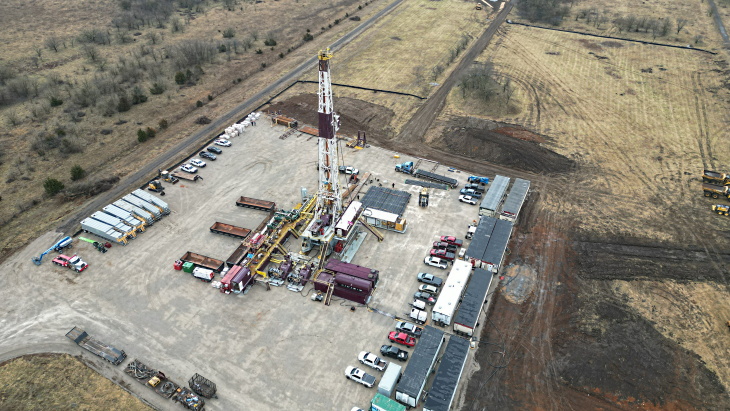
What makes the Deep Fission IPO particularly interesting is the company’s unconventional reactor approach. Deep Fission is developing underground nuclear reactor systems placed deep inside boreholes drilled beneath the earth’s surface.
The company argues that underground deployment could significantly reduce construction costs and improve safety compared to traditional nuclear facilities. By using deep boreholes, reactors may benefit from natural geological containment and simplified infrastructure requirements.
According to company claims discussed in industry reporting, the reactors would use pressurized water reactor technology adapted for underground operation. The startup believes this design could lower costs while reducing land usage and environmental impact.
Supporters of the concept argue that underground reactors may solve several historical nuclear industry problems, including large construction budgets, lengthy project delays, and public opposition linked to safety concerns.
However, critics remain cautious. The Deep Fission IPO is attracting questions because many experts believe underground nuclear deployment introduces entirely new engineering and operational challenges.
Maintenance accessibility, emergency response procedures, long term durability, underground cooling systems, and regulatory compliance all remain uncertain. Nuclear energy projects typically require years of testing, certification, and oversight before commercial operation becomes possible.
As a result, some analysts question whether Deep Fission can realistically achieve commercial deployment timelines attractive enough for public market investors.
Public Markets Remain Cautious About Energy Startups
The Deep Fission IPO also highlights changing investor attitudes toward speculative clean energy companies. During the early 2020s, many climate technology startups rushed toward public listings through special purpose acquisition companies, often before generating significant revenue or proving technological viability.
Several clean energy firms struggled after entering public markets too early. High interest rates, inflation pressures, and slower commercialization timelines reduced investor enthusiasm for speculative technology companies with long development cycles.
Nuclear startups face especially difficult challenges because the industry is highly regulated and capital intensive. Building, testing, and operating nuclear systems requires enormous financial resources and long approval processes.
This is why some observers reacted cautiously to the Deep Fission IPO announcement. Questions remain regarding how much technical progress has been achieved and whether public investors are prepared to finance another long term nuclear development project.
At the same time, market conditions may now be improving for selected energy technologies. Growing electricity demand from AI infrastructure and data centers is creating stronger economic arguments for reliable low carbon power generation.
Technology companies including Microsoft, Google, and Amazon are increasingly investing in energy partnerships and advanced electricity solutions to support future computing growth.
This broader energy demand story could help companies involved in the Deep Fission IPO attract investor interest despite the risks associated with advanced nuclear development.
Advanced Nuclear Technology Faces Both Opportunity and Skepticism
The broader advanced nuclear sector currently sits at a crossroads between optimism and uncertainty. On one hand, nuclear energy is regaining political and commercial relevance because countries need scalable low carbon electricity generation.
On the other hand, the industry still faces major historical baggage. Traditional nuclear plants have long been criticized for high costs, construction delays, radioactive waste concerns, and political controversy.
Advanced nuclear startups claim modern technologies can overcome these problems through modular construction, improved safety systems, and more flexible deployment models.
The Deep Fission IPO reflects this new generation of nuclear entrepreneurship. Instead of building massive conventional nuclear plants, startups are focusing on smaller, more adaptable reactor concepts designed for industrial and decentralized applications.
Supporters argue that modular nuclear systems could eventually complement renewable energy grids by providing stable electricity during periods when solar or wind generation declines.
Critics, however, continue questioning whether these technologies can achieve economic competitiveness within realistic timeframes. Renewable energy costs have fallen dramatically over the past decade, making it increasingly difficult for nuclear projects to compete financially without government support.
Regulatory complexity remains another major barrier. Nuclear licensing processes are often slow and expensive because safety standards are extremely strict. Any delays can significantly increase project costs and weaken investor confidence.
For Deep Fission specifically, underground deployment adds another layer of uncertainty because the concept remains largely untested at commercial scale.
The Future of the Deep Fission IPO
The future success of the Deep Fission IPO will likely depend on whether investors believe advanced nuclear energy can transition from experimental technology into commercially viable infrastructure.
The startup enters public market discussions during a period of rising global electricity demand, expanding AI infrastructure, and growing pressure to decarbonize industrial systems. These trends are creating new opportunities for energy innovation companies.
However, public market investors today are generally more cautious than they were during the earlier climate technology investment boom. Companies are increasingly expected to demonstrate realistic business models, credible commercialization pathways, and measurable technical progress before receiving major valuations.
Deep Fission’s underground reactor vision may appeal to investors searching for breakthrough infrastructure technologies capable of supporting future clean energy demand. Yet skepticism surrounding execution risks, regulatory approvals, and long development timelines will remain significant challenges.
The broader importance of the Deep Fission IPO goes beyond one company. It reflects how advanced nuclear energy is once again becoming part of the global clean energy conversation, especially as artificial intelligence and electrification place unprecedented pressure on power systems worldwide.
Whether Deep Fission ultimately succeeds or struggles, the company’s public market ambitions demonstrate that nuclear innovation is reentering mainstream investment discussions after years of limited enthusiasm.
The next phase of the energy transition may depend not only on renewable power expansion, but also on whether advanced nuclear technologies can finally deliver commercially viable solutions at scale.
Read More