





 Monday, 21-09-26








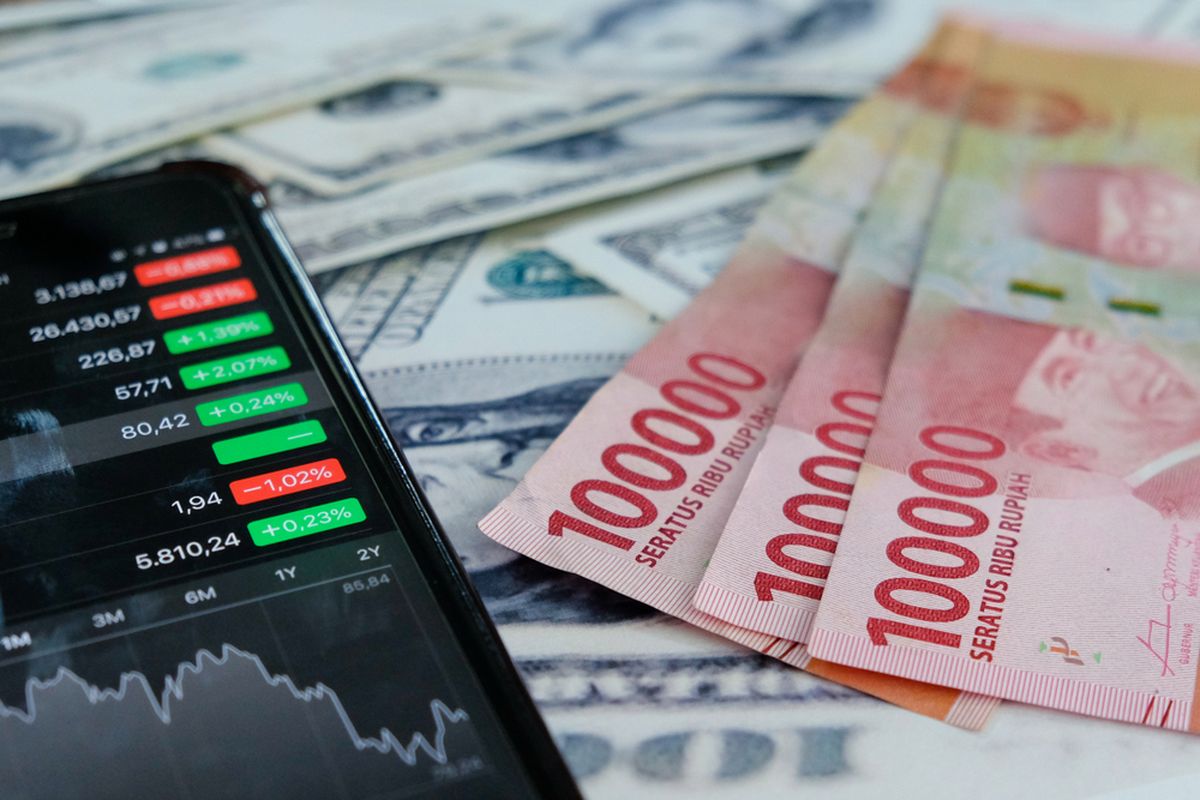
Indonesia’s consumer electronics market is entering a period of uncertainty as currency fluctuations begin to ripple across pricing structures. The rupiah depreciation impact is becoming increasingly visible, particularly in the pricing of imported technology products such as smartphones and laptops. As the local currency weakens against the US dollar, distributors and manufacturers are facing higher costs, which are likely to be passed on to consumers.
This trend comes at a time when demand for digital devices remains strong, driven by remote work, digital transformation, and rising internet penetration. However, the rupiah depreciation impact could disrupt this momentum by making essential technology products less affordable for a broad segment of the population.
Understanding Rupiah Depreciation Impact on Consumer Electronics
The rupiah depreciation impact on the electronics sector is primarily driven by Indonesia’s reliance on imported components and finished products. Most smartphones and laptops sold in the country are either fully imported or assembled using imported parts, which are priced in foreign currencies, predominantly the US dollar.
When the rupiah weakens, the cost of these imports increases. For distributors, this means higher procurement costs. For retailers, it translates into higher wholesale prices. Ultimately, consumers bear the brunt through increased retail prices.
The rupiah depreciation impact is not limited to product costs alone. It also affects logistics, distribution, and marketing expenses, many of which are tied to global supply chains. As a result, the overall cost structure of the electronics industry becomes more complex and volatile.
In addition, currency fluctuations can disrupt inventory planning. Companies may delay imports or adjust stock levels in anticipation of further depreciation, which can lead to supply constraints and additional price pressure.
How Smartphone and Laptop Brands Are Responding
Facing the rupiah depreciation impact, smartphone and laptop brands are adopting various strategies to manage costs and maintain competitiveness. Some companies are absorbing a portion of the increased costs to avoid sudden price hikes, while others are gradually adjusting prices to reflect currency movements.
One common approach is to focus on product segmentation. Brands may prioritize mid-range and entry-level devices, which are more price-sensitive, while carefully managing the pricing of premium products. This allows companies to maintain volume sales even as costs rise.
Another strategy involves optimizing supply chains. Companies are exploring alternative sourcing options, renegotiating contracts with suppliers, and improving operational efficiency to mitigate the rupiah depreciation impact. These efforts can help reduce cost pressures, although they may not fully offset currency fluctuations.
Local assembly is also gaining attention as a potential solution. By increasing domestic production, companies can reduce reliance on imports and limit exposure to exchange rate volatility. However, this approach requires significant investment and may not be feasible for all players in the market.
Consumer Behavior Amid Rupiah Depreciation Impact
The rupiah depreciation impact is influencing consumer behavior in noticeable ways. As prices rise, consumers are becoming more cautious in their purchasing decisions. Many are delaying upgrades or opting for more affordable alternatives.
This shift is particularly evident in the smartphone market, where consumers are increasingly prioritizing value for money. Features such as battery life, camera quality, and durability are becoming more important than brand prestige or cutting-edge specifications.
In the laptop segment, the rupiah depreciation impact is affecting both individual consumers and businesses. For students and remote workers, higher prices may limit access to essential tools. For companies, increased costs can impact IT budgets and investment decisions.
The growing importance of affordability is also driving demand for financing options. Installment plans and trade-in programs are becoming more popular, allowing consumers to manage the financial burden of purchasing new devices.
Broader Economic Implications of Rupiah Depreciation Impact
Beyond the electronics sector, the rupiah depreciation impact has broader implications for Indonesia’s economy. Currency fluctuations can affect inflation, trade balances, and overall economic stability.
Higher prices for imported goods contribute to inflationary pressures, which can reduce purchasing power and slow economic growth. This is particularly concerning in a country where consumer spending plays a significant role in economic activity.
The rupiah depreciation impact also highlights the importance of strengthening domestic industries. By reducing reliance on imports, Indonesia can improve its resilience to external shocks and create more stable economic conditions.
In the context of digital transformation, the affordability of technology products is a critical factor. If rising prices limit access to smartphones and laptops, it could slow the adoption of digital services and hinder progress in areas such as education, e-commerce, and financial inclusion.
Strategies to Mitigate Rupiah Depreciation Impact
Addressing the rupiah depreciation impact requires coordinated efforts from government, industry, and financial institutions. Policymakers can play a role by implementing measures to stabilize the currency and support domestic production.
Incentives for local manufacturing, for example, can encourage companies to invest in domestic facilities. This not only reduces dependence on imports but also creates jobs and supports economic growth.
Financial strategies are also important. Companies can use hedging instruments to manage currency risk, reducing the impact of exchange rate fluctuations on their operations. While this does not eliminate the rupiah depreciation impact, it can provide greater predictability.
For consumers, education and awareness are key. Understanding how currency movements affect prices can help individuals make more informed purchasing decisions. Exploring alternative options, such as refurbished devices or local brands, can also help mitigate the impact.
Future Outlook for Indonesia’s Electronics Market
Looking ahead, the rupiah depreciation impact is likely to remain a key factor influencing the electronics market. While currency movements are inherently unpredictable, their effects on pricing and demand are significant.
The long-term outlook will depend on several factors, including global economic conditions, monetary policy, and domestic economic performance. If the rupiah stabilizes, price pressures may ease, providing relief for consumers and businesses.
At the same time, the industry is expected to continue evolving. Technological advancements, changing consumer preferences, and competitive dynamics will shape the market’s trajectory. Companies that can adapt to these changes while managing the rupiah depreciation impact will be better positioned to succeed.
The push for digital transformation in Indonesia remains strong, and the demand for technology products is unlikely to diminish. However, ensuring affordability will be critical to sustaining this growth.
Conclusion
The rupiah depreciation impact is reshaping Indonesia’s consumer electronics market, driving up prices for smartphones and laptops while influencing consumer behavior and industry strategies. As companies navigate rising costs and uncertain currency conditions, the need for adaptability and innovation becomes increasingly important.
For consumers, the challenge lies in balancing affordability with the need for reliable technology. For businesses, it is about managing risks and maintaining competitiveness in a volatile environment.
Ultimately, the rupiah depreciation impact underscores the interconnected nature of the global economy. Currency movements may seem abstract, but their effects are felt in everyday purchases, from smartphones to laptops. As Indonesia continues its digital journey, addressing these challenges will be essential for ensuring inclusive and sustainable growth.
Read More