





 Friday, 18-09-26








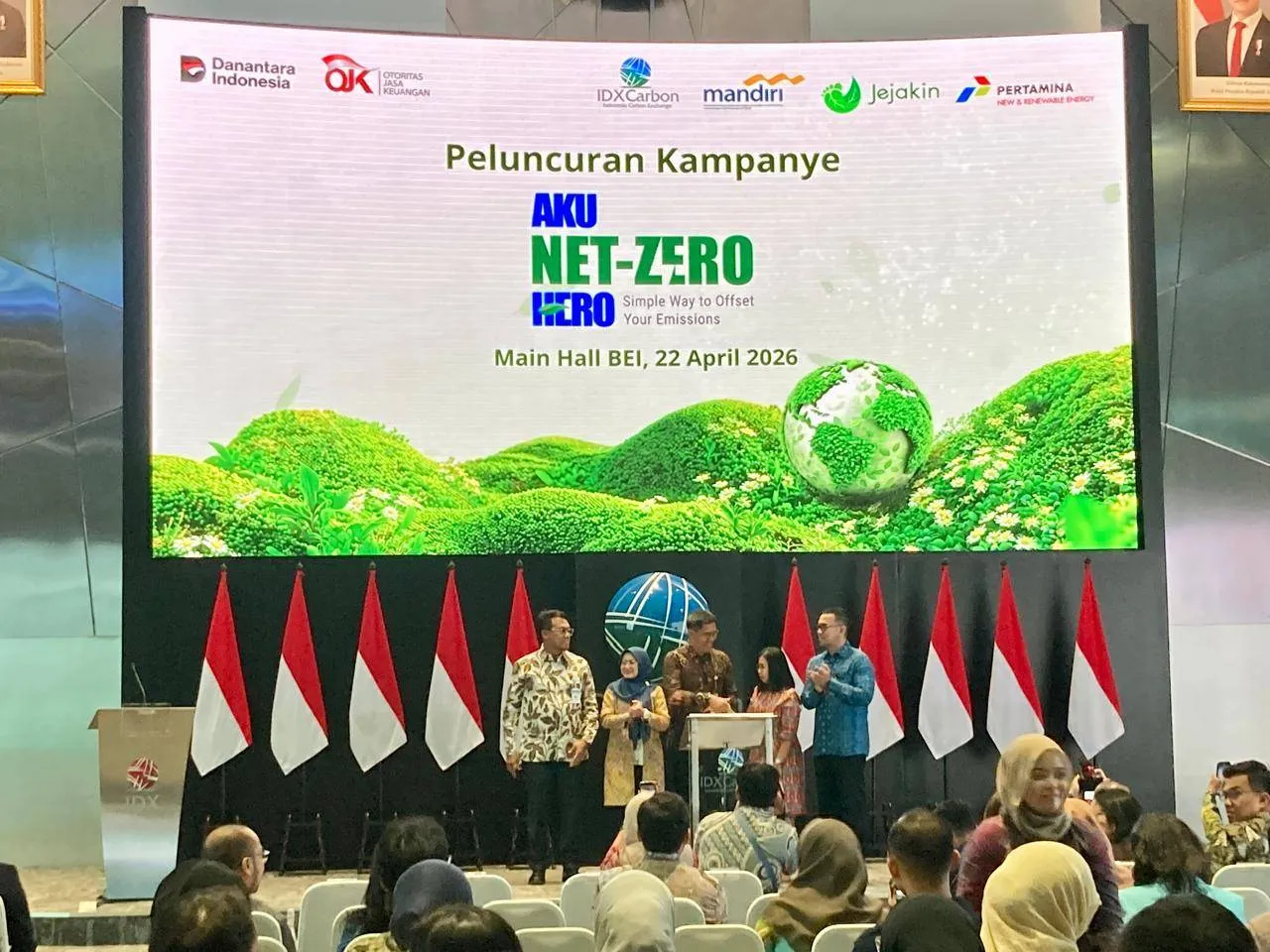
Indonesia is stepping up its efforts to build a robust and credible carbon trading ecosystem, with increasing participation from state-owned enterprises and private sector players. At the center of this movement is the Indonesia carbon market, which is gaining traction as companies align their strategies with global climate targets and sustainability commitments.
A recent initiative involving Pertamina New & Renewable Energy highlights this momentum. By supporting the IDXCarbon “Aku Net Zero Hero” campaign, the company is reinforcing the importance of carbon markets as a tool to accelerate Indonesia’s transition toward a low-carbon economy. This collaboration reflects a broader trend in which corporations are playing an active role in shaping climate solutions.
Indonesia Carbon Market and the Role of Corporate Participation
The development of the Indonesia carbon market depends heavily on active participation from businesses. Carbon markets function by allowing companies to offset their emissions through the purchase of carbon credits, which are generated by projects that reduce or remove greenhouse gases.
In Indonesia, the establishment of IDXCarbon as a carbon exchange platform marks a significant milestone. It provides a structured and transparent mechanism for trading carbon credits, enabling companies to meet regulatory requirements and sustainability goals.
Pertamina New & Renewable Energy involvement in the “Aku Net Zero Hero” campaign demonstrates how corporate actors can drive awareness and engagement. By promoting the concept of net zero emissions, the campaign encourages businesses and individuals to take concrete steps toward reducing their carbon footprint.
The Indonesia carbon market benefits from this type of initiative, as increased awareness leads to higher participation and liquidity. As more companies enter the market, the value and impact of carbon trading are likely to grow, creating a positive feedback loop that supports environmental objectives.
How IDXCarbon Is Shaping Indonesia Carbon Market Growth
The launch of IDXCarbon represents a critical step in formalizing the Indonesia carbon market. As a dedicated platform for carbon trading, IDXCarbon provides the infrastructure needed to facilitate transactions, ensure transparency, and build trust among participants.
One of the key advantages of IDXCarbon is its ability to standardize carbon credits. By establishing clear guidelines and verification processes, the platform helps ensure that credits represent genuine emissions reductions. This is essential for maintaining the credibility of the Indonesia carbon market.
In addition to providing a trading platform, IDXCarbon also plays a role in education and outreach. Campaigns such as “Aku Net Zero Hero” aim to increase understanding of carbon markets and their benefits. This is particularly important in a developing market where awareness and knowledge may still be limited.
The growth of the Indonesia carbon market is also supported by regulatory frameworks. The Indonesian government has introduced policies to encourage carbon trading and align the country with international climate commitments. These policies create a favorable environment for the expansion of IDXCarbon and the broader carbon market ecosystem.
Pertamina NRE and the Push for Net Zero Emissions
As a subsidiary of Pertamina, Pertamina NRE plays a strategic role in advancing Indonesia’s energy transition. The company focuses on developing renewable energy solutions and reducing carbon emissions across its operations.
By supporting the Indonesia carbon market through initiatives like the “Aku Net Zero Hero” campaign, Pertamina NRE is demonstrating its commitment to sustainability. This aligns with the company’s broader goal of achieving net zero emissions and contributing to national climate targets.
The involvement of major corporations is crucial for the success of the Indonesia carbon market. Large companies have the resources and influence to drive significant emissions reductions and set industry standards. Their participation also signals confidence in the market, encouraging other players to join.
Pertamina NRE’s efforts highlight the importance of integrating carbon markets into corporate strategies. Rather than treating carbon trading as a compliance requirement, companies are increasingly viewing it as a strategic tool for achieving sustainability goals.
Challenges Facing Indonesia Carbon Market Development
Despite its potential, the Indonesia carbon market faces several challenges that must be addressed to ensure long-term success. One of the main issues is market maturity. As a relatively new initiative, the market is still in the early stages of development, with limited liquidity and participation.
Another challenge is the need for robust verification systems. Ensuring the accuracy and integrity of carbon credits is essential for building trust among participants. This requires investment in monitoring, reporting, and verification mechanisms.
There is also the issue of pricing. The value of carbon credits can fluctuate based on supply and demand, creating uncertainty for market participants. Developing a stable and predictable pricing mechanism is important for encouraging investment and participation.
Awareness and education remain key barriers. Many companies and individuals are still unfamiliar with how the Indonesia carbon market works and how they can participate. Initiatives like the “Aku Net Zero Hero” campaign are essential for addressing this gap.
Opportunities and Future Outlook for Indonesia Carbon Market
The future of the Indonesia carbon market looks promising, driven by increasing global focus on climate change and sustainability. As countries and companies commit to net zero targets, the demand for carbon credits is expected to rise.
Indonesia is well-positioned to capitalize on this trend. The country has significant potential for carbon reduction projects, including renewable energy, reforestation, and sustainable agriculture. These projects can generate carbon credits that contribute to the growth of the Indonesia carbon market.
Technological advancements also present opportunities. Digital platforms and blockchain technology can enhance transparency and efficiency in carbon trading, making the market more accessible and reliable.
The role of international collaboration is another important factor. By aligning with global standards and participating in international carbon markets, Indonesia can attract foreign investment and strengthen its position in the global climate economy.
The Indonesia carbon market also has broader economic implications. By creating new revenue streams and supporting sustainable development, it can contribute to economic growth while addressing environmental challenges.
Conclusion
The Indonesia carbon market is emerging as a key component of the country’s strategy to achieve net zero emissions and transition to a sustainable economy. Initiatives such as the “Aku Net Zero Hero” campaign, supported by Pertamina NRE, demonstrate the growing role of corporate participation in driving this transformation.
While challenges remain, the momentum is clearly building. With the support of platforms like IDXCarbon, government policies, and private sector engagement, the Indonesia carbon market has the potential to become a significant force in the global fight against climate change.
As awareness increases and participation expands, the market will continue to evolve, offering new opportunities for businesses, investors, and communities. The journey toward net zero is complex, but the development of the Indonesia carbon market represents a meaningful step forward.
Read More