





 Saturday, 13-06-26








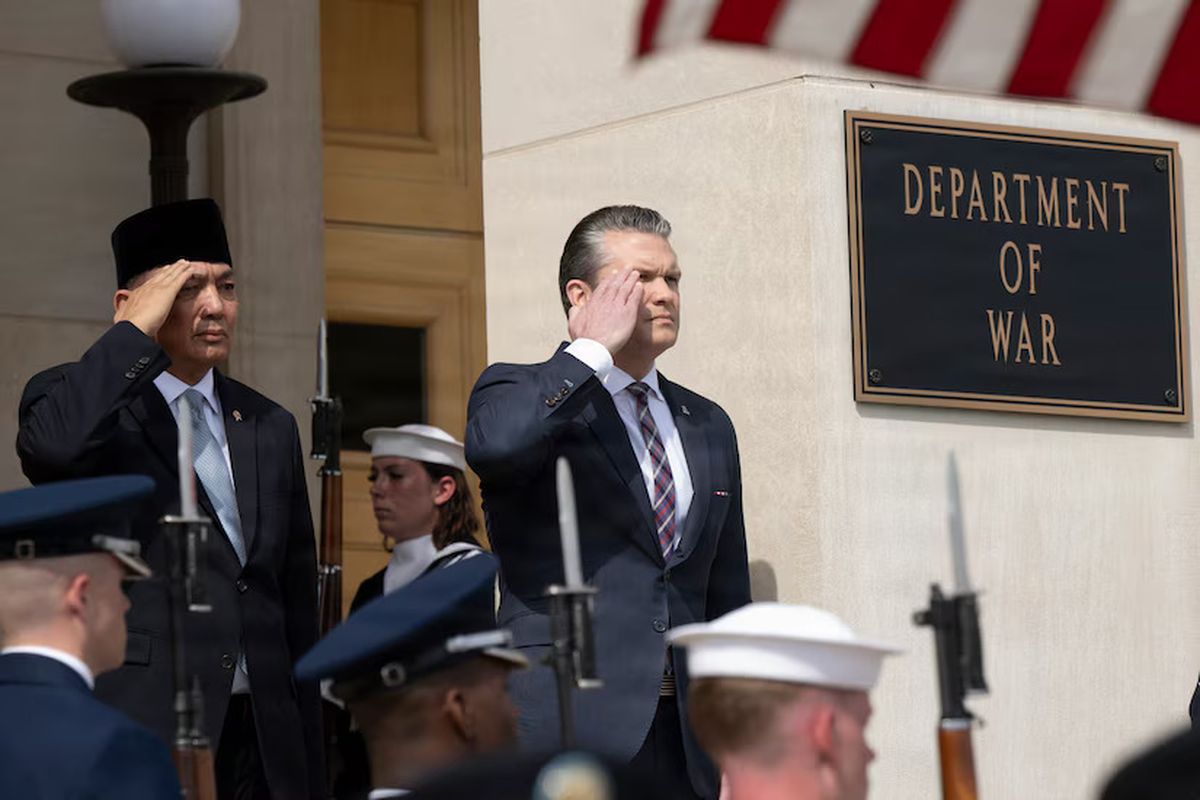
Indonesia is entering a new phase of strategic alignment with the United States following the formalization of the Indonesia US Defense Partnership during a high-level visit to the Pentagon. The agreement signals a deepening of military ties between Southeast Asia’s largest economy and one of the world’s most powerful defense actors, at a time when geopolitical tensions in the Indo-Pacific region continue to intensify.
The Indonesia US Defense Partnership is not just a symbolic gesture. It reflects a broader shift in Indonesia’s defense diplomacy, where Jakarta is increasingly positioning itself as a key stabilizing force in the region while maintaining its long-standing principle of non-alignment. This balancing act is becoming more complex as global power competition grows sharper, particularly between major powers operating in Asia.
A Strategic Shift in Indonesia’s Defense Diplomacy
The establishment of the Indonesia US Defense Partnership marks a significant evolution in bilateral relations. Historically, Indonesia has maintained a cautious approach in its military engagements with global powers, prioritizing sovereignty and strategic autonomy. However, recent developments suggest a more pragmatic stance.
Indonesia’s defense leadership has emphasized that this partnership is designed to enhance capacity building, military professionalism, and technological cooperation. Rather than forming a formal alliance, the Indonesia US Defense Partnership focuses on strengthening interoperability, joint training exercises, and defense industry collaboration.
This shift comes amid rising security challenges in the Indo-Pacific. Maritime disputes, increasing military presence by global powers, and non-traditional threats such as cyber warfare and terrorism are pushing countries like Indonesia to modernize their defense strategies. By engaging more deeply with the United States, Indonesia aims to strengthen its deterrence capabilities without compromising its independent foreign policy.
The Indonesia US Defense Partnership also reflects Jakarta’s recognition that defense modernization requires access to advanced technology, intelligence sharing, and institutional capacity building. The United States, with its extensive military infrastructure and global experience, offers significant advantages in these areas.
What the Partnership Means for Regional Security
The implications of the Indonesia US Defense Partnership extend beyond bilateral relations. It plays a critical role in shaping the broader security architecture of Southeast Asia and the Indo-Pacific.
Indonesia occupies a strategically vital position, sitting at the crossroads of major maritime trade routes. Stability in Indonesian waters is essential not only for regional security but also for global economic flows. As such, strengthening Indonesia’s defense capabilities contributes directly to maintaining open and secure sea lanes.
The Indonesia US Defense Partnership is expected to enhance maritime domain awareness, allowing Indonesia to better monitor and respond to activities within its territorial waters. This is particularly important in areas prone to illegal fishing, piracy, and potential territorial disputes.
Furthermore, the partnership supports joint military exercises and training programs, which are crucial for improving operational readiness. These initiatives help both countries develop coordinated responses to potential crises, ranging from natural disasters to security threats.
From a geopolitical perspective, the Indonesia US Defense Partnership sends a signal about the evolving balance of power in the region. While Indonesia continues to engage with multiple global partners, its closer cooperation with the United States highlights a shared interest in maintaining a rules-based international order.
However, Indonesia remains careful not to frame this partnership as part of any bloc or containment strategy. Instead, officials emphasize that the Indonesia US Defense Partnership is inclusive and focused on stability rather than confrontation.
Defense Industry Collaboration and Technology Transfer
One of the most critical aspects of the Indonesia US Defense Partnership is its potential impact on defense industry development. Indonesia has long sought to strengthen its domestic defense manufacturing capabilities, reducing reliance on imports while building a more self-sufficient military ecosystem.
Through this partnership, Indonesia gains opportunities for technology transfer, joint production, and access to advanced defense systems. These initiatives could accelerate the growth of Indonesia’s defense industry, enabling local companies to move up the value chain.
The Indonesia US Defense Partnership also opens doors for collaboration in emerging domains such as cybersecurity, artificial intelligence, and space-based defense systems. As warfare becomes increasingly technology-driven, these areas are becoming central to national security strategies.
For Indonesia, this means not only enhancing military capabilities but also fostering innovation and economic growth. Defense industry development often has spillover effects into other sectors, including manufacturing, engineering, and digital technology.
At the same time, the partnership requires careful management to ensure that technology transfer aligns with national interests. Indonesia must balance the benefits of foreign collaboration with the need to protect its strategic autonomy and develop indigenous capabilities.
Navigating Opportunities and Risks
While the Indonesia US Defense Partnership presents significant opportunities, it also comes with challenges. One of the primary concerns is maintaining Indonesia’s non-aligned stance in an increasingly polarized global environment.
Indonesia has traditionally positioned itself as a neutral actor, engaging with multiple partners while avoiding entanglement in major power rivalries. The deepening of ties with the United States must be managed carefully to avoid perceptions of alignment that could affect relations with other countries.
Another challenge lies in implementation. Defense partnerships often involve complex coordination across multiple institutions, including military, government, and private sector stakeholders. Ensuring effective execution will require strong governance and clear strategic direction.
Budget constraints also play a role. Defense modernization is capital-intensive, and Indonesia must balance its military spending with other national priorities such as infrastructure, education, and healthcare. The Indonesia US Defense Partnership can help optimize resources, but it does not eliminate the need for careful financial planning.
Despite these challenges, the overall outlook remains positive. The partnership provides a framework for long-term cooperation that can adapt to changing circumstances and evolving security needs.
A Long-Term Strategic Outlook
The Indonesia US Defense Partnership represents more than a short-term diplomatic milestone. It is part of a broader transformation in Indonesia’s approach to defense and international engagement.
As global uncertainties continue to rise, countries are increasingly seeking reliable partners to enhance their resilience and security. For Indonesia, the United States offers a combination of military expertise, technological capability, and strategic alignment on key issues such as maritime security and regional stability.
At the same time, Indonesia’s growing economic and political influence makes it an important partner for the United States. The relationship is becoming more reciprocal, with both sides recognizing the value of cooperation.
Looking ahead, the Indonesia US Defense Partnership is likely to expand into new areas, including joint research, advanced training programs, and multilateral initiatives. These developments will further integrate Indonesia into the regional security framework while preserving its independent foreign policy.
Ultimately, the success of the Indonesia US Defense Partnership will depend on its ability to deliver tangible outcomes. Strengthening military capabilities, enhancing regional stability, and supporting defense industry growth are all critical benchmarks.
As Indonesia navigates an increasingly complex geopolitical landscape, this partnership provides a strategic tool to safeguard its national interests while contributing to broader regional security.
Read More