





 Wednesday, 14-10-26








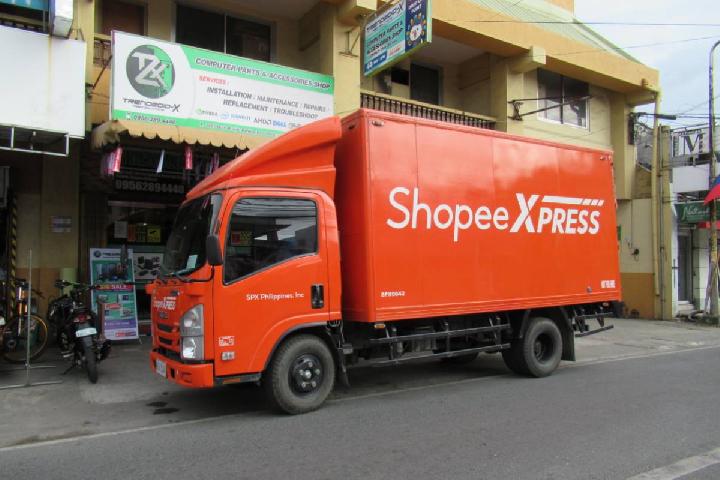
Indonesia’s e commerce ecosystem is entering a new phase as Shopee seller fees are set to increase following a policy shift that places additional free shipping costs on merchants. Starting May 2, 2026, sellers on the platform will be required to bear extra charges tied to free shipping promotions, marking a significant change in how logistics incentives are funded.
This development reflects a broader recalibration within the e commerce industry, where platforms are seeking to balance growth with profitability. For years, aggressive subsidies such as free shipping have been a key driver of user acquisition and transaction volume. However, as competition intensifies and margins tighten, platforms like Shopee are now redistributing costs across their ecosystem.
For sellers, the adjustment in Shopee seller fees raises critical questions about profitability, pricing strategy, and long term sustainability. The policy could reshape how merchants operate within the platform, particularly small and medium enterprises that rely heavily on Shopee for their online sales.
Understanding the New Shopee Seller Fees Policy
The upcoming changes to Shopee seller fees center around the allocation of free shipping costs. Previously, a significant portion of these promotional expenses was subsidized by the platform. Under the new policy, sellers will be required to contribute more toward these incentives, effectively increasing their operational costs.
This shift is part of Shopee’s broader strategy to create a more sustainable business model. Free shipping has long been a cornerstone of e commerce growth, but it comes at a substantial cost. By passing some of these expenses to sellers, Shopee aims to maintain promotional attractiveness while reducing its own financial burden.
For merchants, the impact of higher Shopee seller fees will vary depending on their business model. Sellers with higher margins may be able to absorb the additional costs without significant disruption. However, those operating on thin margins could face considerable pressure, particularly in highly competitive categories where price sensitivity is high.
The policy also introduces a new layer of complexity in cost management. Sellers will need to carefully evaluate their participation in free shipping programs and assess whether the potential increase in sales justifies the additional expense. This decision making process will become a critical aspect of operating on the platform.
Impact of Shopee Seller Fees on Merchants and Pricing Strategies
The increase in Shopee seller fees is expected to have a direct impact on pricing strategies across the platform. As operational costs rise, many sellers may choose to adjust their prices to maintain profitability. This could lead to a gradual increase in product prices, potentially affecting consumer behavior.
For small and medium enterprises, the challenge is particularly acute. These businesses often rely on competitive pricing to attract customers, leaving little room to absorb additional costs. Higher Shopee seller fees could force them to rethink their approach, including optimizing supply chains, reducing overhead, or focusing on higher margin products.
At the same time, the policy may drive greater efficiency among sellers. Merchants could become more selective in their participation in promotional programs, focusing on campaigns that deliver the highest return on investment. This shift could lead to a more disciplined approach to marketing and sales within the platform.
Another potential outcome is increased differentiation. Sellers may seek to justify higher prices by enhancing product quality, improving customer service, or building stronger brand identities. In this context, the rise in Shopee seller fees could act as a catalyst for innovation and value creation.
However, there is also a risk of reduced competitiveness. If price increases become widespread, consumers may become more sensitive to costs and explore alternative platforms or purchasing channels. This could impact overall transaction volumes and reshape competitive dynamics in the e commerce market.
Broader Implications for Indonesia’s E Commerce Landscape
The adjustment in Shopee seller fees is not an isolated development. It reflects a broader trend within Indonesia’s e commerce sector, where platforms are moving toward more sustainable business models. After years of prioritizing growth and market share, companies are now focusing on profitability and operational efficiency.
This shift has significant implications for the industry. As platforms reduce subsidies and increase fees, the cost structure of online selling is changing. Sellers must adapt to this new reality by optimizing their operations and developing more resilient business strategies.
For the market as a whole, the changes could lead to a more balanced ecosystem. Reduced reliance on subsidies may encourage more rational pricing and healthier competition. At the same time, it could also slow down growth, particularly among price sensitive consumers.
Logistics and supply chain efficiency will become increasingly important in this environment. As Shopee seller fees rise, merchants will need to find ways to reduce other costs to remain competitive. This could drive investment in warehousing, inventory management, and last mile delivery solutions.
The policy also highlights the evolving role of platforms in the e commerce ecosystem. Rather than acting solely as intermediaries, platforms are becoming more strategic in how they manage costs and incentives. This evolution is likely to shape the future of digital commerce in Indonesia and beyond.
What Sellers Should Do to Navigate Rising Shopee Seller Fees
In response to higher Shopee seller fees, sellers will need to adopt a more strategic approach to their operations. One of the key priorities should be cost optimization. This includes reviewing supply chains, negotiating better terms with suppliers, and improving operational efficiency.
Pricing strategy will also be critical. Sellers must strike a balance between maintaining competitiveness and preserving margins. This may involve experimenting with different pricing models, bundling products, or offering value added services to justify higher prices.
Data driven decision making will become increasingly important. By analyzing sales performance and customer behavior, sellers can identify which products and promotions deliver the best results. This insight can help them allocate resources more effectively and maximize returns.
Building a strong brand can also provide a competitive advantage. Sellers with established brand recognition may be better positioned to withstand price increases, as customers are often willing to pay a premium for trusted products.
Finally, diversification could be a key strategy. Relying solely on one platform may increase vulnerability to policy changes. Expanding to other marketplaces or developing direct to consumer channels can help mitigate risks associated with rising Shopee seller fees.
The increase in Shopee seller fees marks a significant turning point in Indonesia’s e commerce landscape. By shifting more of the free shipping costs to sellers, Shopee is taking a step toward a more sustainable business model.
While the change presents challenges, it also creates opportunities for sellers to innovate, optimize, and strengthen their businesses. Those who adapt quickly and strategically will be better positioned to thrive in this evolving environment.
As the industry continues to mature, the balance between growth and profitability will remain a central theme. The evolution of Shopee seller fees is just one example of how platforms and merchants are navigating this complex landscape.
Ultimately, the ability to adapt to changing conditions will determine success in the competitive world of e commerce. For sellers, the key lies in turning challenges into opportunities and building resilient strategies for the future.
Read More