





 Thursday, 22-10-26








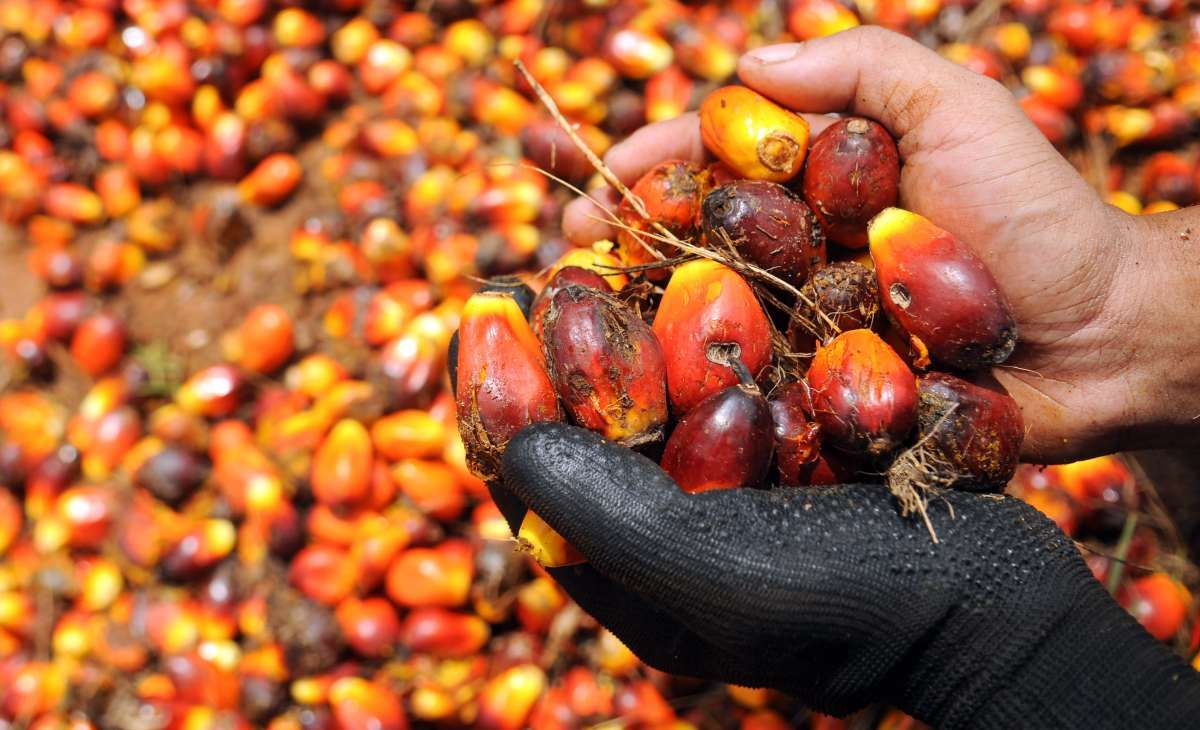
The global palm oil market is once again experiencing a notable shift, as the CPO price increase continues to gain traction. Driven by a combination of geopolitical tensions and declining stock levels, crude palm oil prices are climbing steadily, raising concerns across industries that rely heavily on vegetable oils.
This upward trend is not occurring in isolation. Instead, it reflects a broader pattern of volatility in global commodity markets, where supply chain disruptions and geopolitical instability are reshaping price dynamics. For major producers like Indonesia and Malaysia, the current CPO price increase presents both opportunities and risks that could influence export performance, domestic inflation, and long term industry sustainability.
As global demand remains resilient, the interplay between limited supply and external pressures is becoming increasingly critical in determining price direction.
Geopolitical Tensions Fueling CPO Price Increase
One of the primary drivers behind the recent CPO price increase is the intensification of geopolitical tensions across key regions. Conflicts and political uncertainties have disrupted global trade flows, particularly in the vegetable oil market, where substitution effects play a major role.
When supply chains for alternative oils such as sunflower oil and soybean oil are affected, buyers tend to shift toward palm oil as a more accessible and cost effective option. This shift directly contributes to the rising demand for palm oil, accelerating the CPO price increase in international markets.
Additionally, trade policies and export restrictions imposed by producing or consuming countries have amplified uncertainty. Governments aiming to secure domestic supply often introduce protectionist measures, which inadvertently tighten global availability. This creates a ripple effect, pushing prices higher as buyers compete for limited resources.
The impact of geopolitical instability is not limited to supply disruption alone. Currency fluctuations, energy price volatility, and transportation costs are also influenced by global tensions. These factors collectively increase production and distribution costs, further reinforcing the upward trajectory of the CPO price increase.
For Indonesia, the world’s largest palm oil producer, these dynamics present a complex challenge. While higher prices can boost export revenues, they also risk triggering inflationary pressures domestically, especially in food and cooking oil prices.
Declining Stock Levels Tighten Global Supply
Another critical factor contributing to the sustained CPO price increase is the ongoing decline in global palm oil stock levels. Data from industry sources indicates that inventories in major producing countries have been shrinking due to a combination of lower production growth and steady demand.
Weather conditions have played a significant role in limiting output. Irregular rainfall patterns and climate related disruptions have affected plantation productivity, reducing the overall supply of fresh fruit bunches. As a result, palm oil production has struggled to keep pace with demand, intensifying the supply shortage.
Labor shortages in plantation sectors, particularly in Malaysia, have also constrained production capacity. The reliance on foreign workers and the slow recovery of labor availability after pandemic related restrictions have hindered output expansion.
At the same time, domestic consumption in producing countries remains robust. Government policies promoting biodiesel usage have increased the allocation of palm oil for energy purposes, further reducing exportable surplus. In Indonesia, the biodiesel mandate continues to absorb a significant portion of production, tightening supply in the global market.
This combination of declining stock levels and steady demand creates a classic supply demand imbalance, which naturally drives the CPO price increase. As inventories fall, market participants anticipate further tightening, leading to speculative buying that amplifies price movements.
Market Implications of Sustained CPO Price Increase
The ongoing CPO price increase has far reaching implications across multiple sectors, from food manufacturing to energy and consumer goods. For businesses, rising input costs can erode profit margins, particularly for companies that rely heavily on palm oil as a raw material.
Food producers, for example, may face higher costs for products such as cooking oil, margarine, and processed foods. These increases are often passed on to consumers, contributing to broader inflationary pressures. In emerging markets, where palm oil is a staple commodity, the impact can be especially pronounced.
On the other hand, palm oil producers and exporters stand to benefit from higher prices. Increased revenue can improve profitability and encourage investment in plantation expansion and technological upgrades. However, this benefit is not without risks. Volatile prices can create uncertainty, making it difficult for companies to plan long term strategies.
The energy sector is also affected by the CPO price increase, particularly in countries that promote biodiesel usage. Higher feedstock costs can increase the overall cost of biodiesel production, potentially affecting subsidy requirements and government budgets.
Moreover, sustainability concerns remain a key issue in the palm oil industry. As prices rise, there is a risk of increased pressure to expand plantations, which could lead to deforestation and environmental degradation if not properly managed. This underscores the importance of balancing economic gains with sustainable practices.
Outlook for CPO Prices in the Coming Months
Looking ahead, the trajectory of the CPO price increase will largely depend on how the current supply and demand dynamics evolve. If geopolitical tensions persist and stock levels remain tight, prices are likely to stay elevated in the near term.
However, several factors could influence future movements. Improved weather conditions and increased production could help rebuild inventories, easing supply constraints. Similarly, any resolution of geopolitical conflicts could stabilize trade flows and reduce market uncertainty.
Demand trends will also play a crucial role. If global economic growth slows down, consumption of vegetable oils may weaken, potentially moderating the CPO price increase. Conversely, continued demand from emerging markets and the biofuel sector could sustain upward pressure on prices.
For policymakers, maintaining a balance between export performance and domestic price stability will be essential. Strategic interventions, such as managing export quotas and supporting production efficiency, could help mitigate the impact of price volatility.
In conclusion, the current CPO price increase reflects a complex interplay of geopolitical tensions, declining stock levels, and strong demand. While the trend presents opportunities for producers, it also poses significant challenges for consumers and industries worldwide. Navigating this landscape will require careful coordination between governments, businesses, and stakeholders to ensure both economic resilience and sustainability.
Read More