





 Monday, 12-10-26








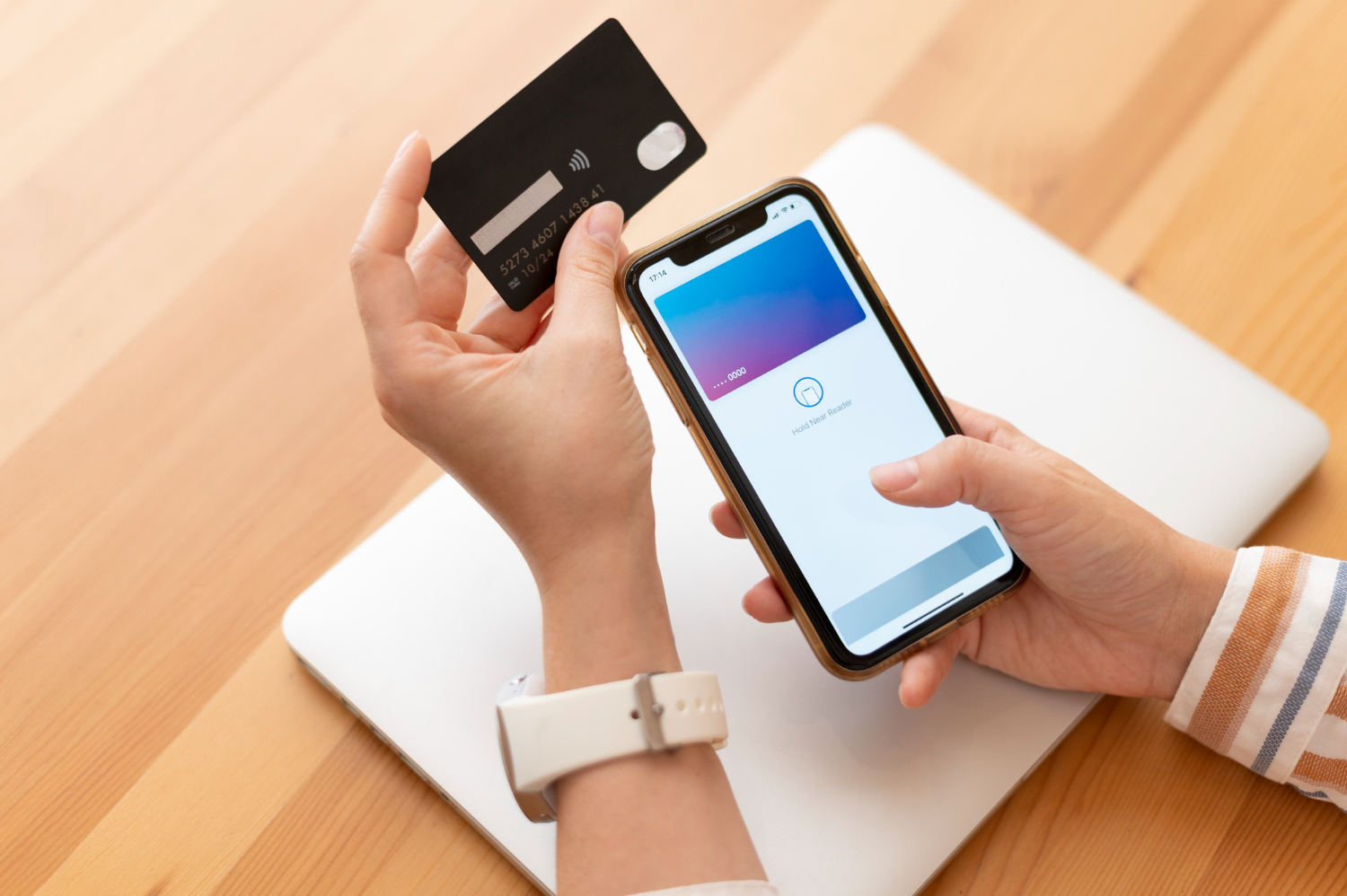
E-wallets have solidified their position as the leading fintech category in Indonesia, with usage surpassing 90% among fintech application users in 2025.
This widespread adoption reflects how digital payments have transitioned from optional tools into daily essentials, supporting activities ranging from retail purchases to bill settlements.
The insights come from a Jakpat survey involving 1,945 respondents across Indonesia, covering Gen Z, Millennials, and Gen X.
The data highlights how e-wallets are not only widely used but also embedded in the country’s evolving financial behavior.
User-Friendly Design Becomes the Main Adoption Driver

Nearly 60% of respondents prefer e-wallets because of their user-friendly applications.
Ease of use has become the defining factor, particularly for Gen Z, who prioritize intuitive interfaces and convenience when choosing platforms.
In comparison, Millennials and Gen X evaluate platforms based on ease of payment and trustworthiness, indicating a stronger focus on reliability.
Security considerations also increase with age, as older users pay closer attention to whether platforms are licensed and officially registered.
Additional decision factors include promotional offers, feature diversity, and brand reputation, showing that competition among platforms extends beyond usability.
Usage Patterns Reflect Daily Financial Needs Across Generations
E-wallet usage is heavily concentrated around practical financial activities, with 7 out of 10 users relying on the apps to transfer money.
This makes peer-to-peer transfers the most dominant use case across all demographics.
Gen Z shows a stronger inclination toward digital-first financial habits, including saving money within e-wallets and making online payments.
Meanwhile, Millennials and Gen X use e-wallets more frequently for bill payments, reflecting their higher financial responsibilities, such as utilities and household expenses.
Other use cases include online and offline shopping, transportation payments, and delivery services, indicating the versatility of e-wallet ecosystems.
Despite high adoption, only about 30% of users report using e-wallets daily, suggesting that while penetration is broad, usage intensity still varies.
Information Channels Reveal Generational Trust Gaps
The way users discover and evaluate e-wallet platforms differs significantly by age group.
Social media and recommendations from close contacts are the primary sources of information overall.
Gen Z relies heavily on digital-native channels, including social media advertisements and unofficial TikTok accounts, reflecting a preference for fast and accessible content.
In contrast, Millennials and Gen X are more likely to consult traditional and structured sources such as mass media, search engines, and official websites.
This divergence highlights a generational gap in trust, where younger users favor peer-driven and algorithm-driven content, while older users seek verified and authoritative information.
Market Leaders and Platform Preferences Show Industry Concentration
Dana leads as the most widely used e-wallet platform across all generations, with particularly strong adoption among Gen Z, where usage reaches 75%.
GoPay follows with stronger traction among Millennials and Gen X, suggesting its appeal among users with more established financial routines.
Other platforms, such as OVO and LinkAja, show significantly lower adoption, pointing to a market dominated by a limited number of major players.
The data indicates a concentrated competitive landscape where brand strength and user experience play critical roles in maintaining market share.
PayLater and Financial Behavior Signal Growing Digital Credit Use
The report also highlights the growing role of PayLater services within e-wallet ecosystems.
Three out of four users have utilized PayLater features, showing strong adoption of embedded digital credit solutions.
SPayLater emerges as the most commonly used service, especially among Gen Z, where usage reaches 84%.
GoPayLater also demonstrates relevance, particularly among Millennials and Gen X, where about half of users adopt the feature.
This trend signals a shift toward integrated financial ecosystems, where payments, savings, and credit services coexist within a single platform.
PHOTO: FREEPIK
This article was created with AI assistance.
We make every effort to ensure the accuracy of our content, some information may be incorrect or outdated. Please let us know of any corrections at [email protected].
Read More