





 Thursday, 15-10-26








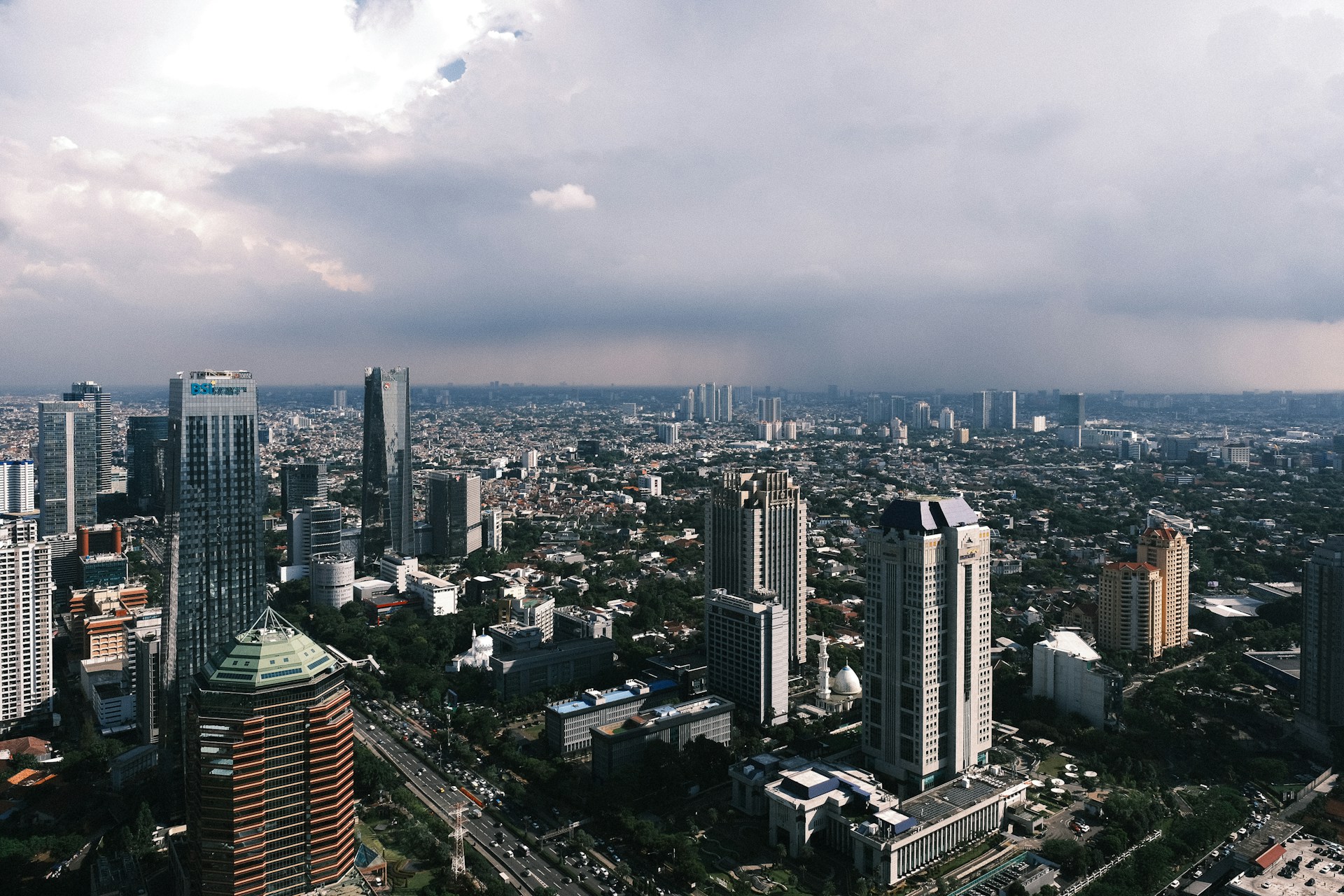
The AI data center heat impact in Jakarta is becoming a growing concern as Indonesia’s capital continues to expand its digital infrastructure. Researchers warn that large-scale AI data centers not only require substantial energy but also release continuous heat that may affect surrounding urban temperatures.
According to Indonesia’s National Research and Innovation Agency (BRIN), this heat contribution could play a role in long-term climate and urban environment changes.
BRIN Explains AI Data Centers Generate Significantly Higher Heat Output
Albertus Sulaiman, Head of the Climate and Atmosphere Research Center at BRIN, stated that AI data centers produce up to ten times more heat than conventional data centers.
He explained that a single AI data center—comparable in size to a football field with a two-story structure—can generate approximately 168 megawatts (MW) of heat from GPU operations alone. When including cooling systems, total heat output reaches around 210 MW.
Albertus described this energy release as equivalent to “one million electric irons turned on at the same time.” He emphasized that this heat is released continuously, 24 hours a day.
According to his explanation, such facilities can increase surrounding temperatures by approximately 0.5°C under climatological conditions.
100 Data Centers in Jakarta Could Contribute to Citywide Temperature Increase
Data from Data Center Map shows that Indonesia hosts approximately 185 data centers, with around 100 located in Jakarta alone.
Albertus noted that if these facilities are considered as AI-scale data centers, their combined heat output could significantly affect the city’s temperature balance.
Using a simplified model where Jakarta is treated as a 40-kilometer-radius area, he explained that accumulated heat emissions could raise the city’s average temperature from around 28°C to approximately 32°C within one year.
This represents a potential increase of about 3.65°C under the study’s assumptions.
He added that this level of temperature rise could increase heat stress risks for urban populations.
Global Study Finds Data Centers Drive Local Urban Heat Island Effects
A separate international study led by researchers from the University of Cambridge examined more than 6,000 data centers worldwide using two decades of remote sensing temperature data.
The study found that areas surrounding AI hyperscale data centers experienced an average temperature increase of approximately 3.6°F (around 2°C) after operations began.
In extreme cases, temperature increases reached up to 16.4°F (around 9°C).
The researchers also found that the warming effect extended up to 6.2 miles (around 10 kilometers) beyond data center locations.
The study highlights that these temperature increases were observed across multiple global regions, including established data center hubs in Mexico and Spain, and could affect hundreds of millions of people living nearby.
Experts Recommend Efficiency Standards, Heat Reuse, and Urban Green Solutions
To address potential risks, Albertus Sulaiman outlined several mitigation strategies.
He emphasized the importance of strict regulation of Power Usage Effectiveness (PUE) standards to ensure data centers operate more efficiently and reduce waste heat output.
He also suggested that excess heat generated by data centers could be repurposed for industrial applications, such as food drying and other thermal processes.
In addition, he recommended expanding urban green spaces, including large-scale city forests, which can help absorb heat through evapotranspiration and function as natural cooling systems.
These measures, according to the article, are intended to reduce the environmental footprint of rapidly expanding AI infrastructure while maintaining digital development.
This article is a summary of two original articles. The full versions can be read at the following links:
https://edition.cnn.com/2026/03/30/climate/data-centers-are-having-an-underrported
PHOTO: UNSPLASH
This article was created with AI assistance.
We make every effort to ensure the accuracy of our content, some information may be incorrect or outdated. Please let us know of any corrections at [email protected]
Read More