





 Monday, 12-10-26








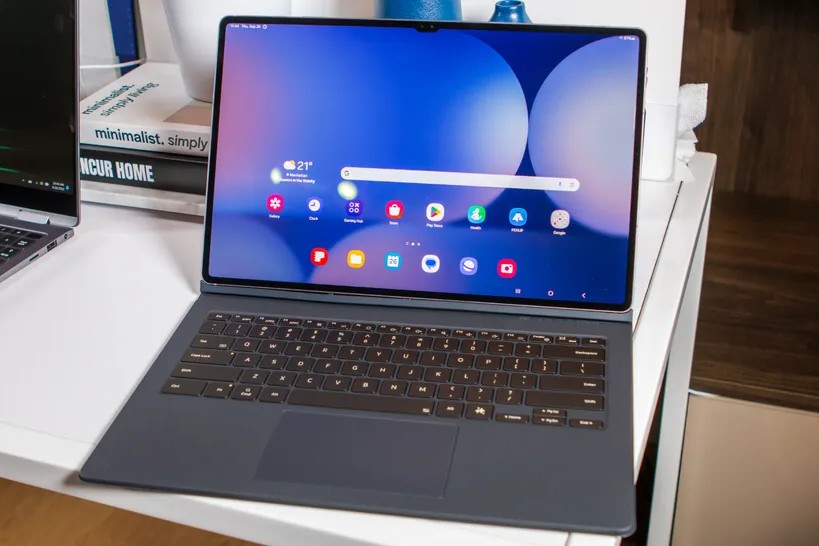
South Korea’s government is preparing intervention measures to address rising DRAM and NAND memory costs that are driving up PC and laptop prices globally (9/4).
The plan includes market and pricing monitoring, expansion of recycled PC distribution to vulnerable groups, and restructuring of internet data plans.
According to reports, the measures are being introduced to reduce the burden of rising PC component prices linked to the global memory crisis.
Government to Monitor DRAM and PC Market Pricing
The government will monitor market distribution and supply-demand conditions in the DRAM, PC, and laptop sectors to prevent unfair practices.
The Ministry of Trade, Industry and Energy and the Fair Trade Commission will inspect these markets and take strict measures if any irregularities are found. The move is aimed at responding to rising costs affecting consumer hardware.
The initiative is led by the Ministerial Task Force for Special Management of People’s Living Costs, which was created to manage essential goods and services prices.
Expansion of Recycled PCs and Student Subsidy Programs
South Korea also plans to increase the reuse of government computers and expand support for vulnerable groups through recycled PC distribution.
Reports indicate that around 22,000 computers were discarded last year, with more than half scrapped despite being usable after servicing. Others were sold or donated to organizations.
The government also plans to expand subsidies providing cash support to low-income households for students’ PC purchases, as part of efforts to improve access to digital tools.
Internet Data Plan Restructuring to Ensure Basic Access
Authorities are planning to restructure internet data plans from major telecom carriers to ensure minimum internet access even after data caps are reached.
The proposal includes guaranteeing a minimum speed of 400 Kbps after users exceed their data limits, described as a measure to protect basic communication rights.
The government also plans broader measures to reduce telecommunication fees and the prices of PCs and laptops as part of the overall policy response.
AI-Driven Demand Intensifies Global Memory Supply Pressure
The broader memory shortage is linked to strong global demand driven by AI data centers, which are consuming large portions of memory and storage supply.
This has contributed to sharp price increases, including DDR5 RAM and SSDs. A 32GB DDR5 RAM module is reported to cost around $359, while a basic 1TB SSD has risen to nearly three times its price compared to last year.
Reports also note ongoing pressure on memory supply despite delays and cancellations in some data center construction projects due to infrastructure constraints.
PHOTO: ANDROIDCENTRAL
This article was created with AI assistance.
We make every effort to ensure the accuracy of our content, some information may be incorrect or outdated. Please let us know of any corrections at [email protected].
Read More