





 Friday, 10-07-26








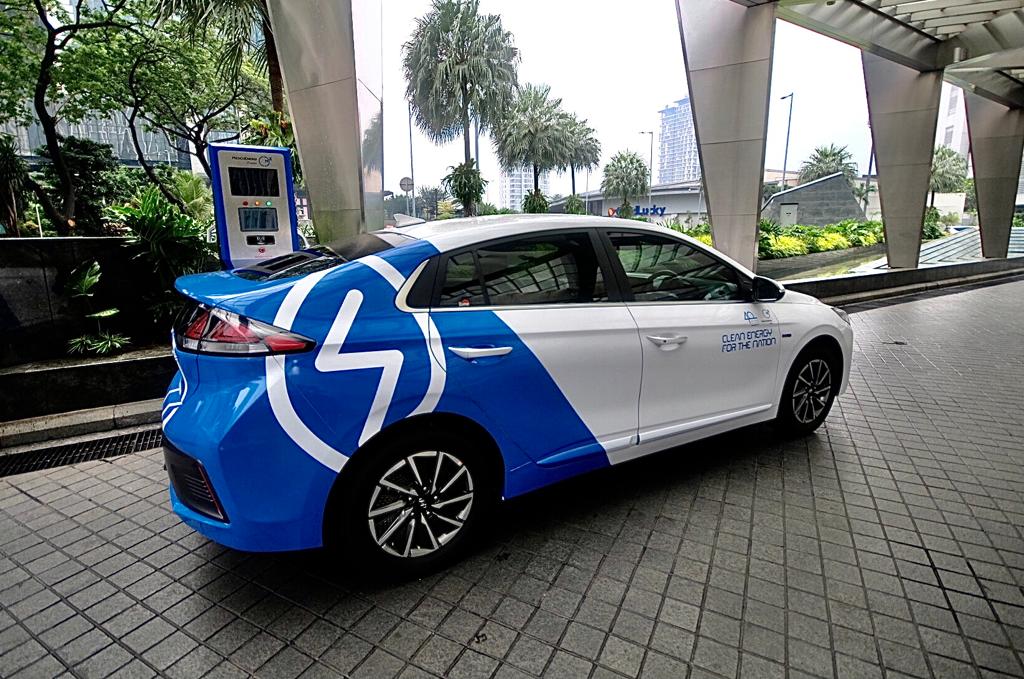
Indonesia is accelerating its ambition to become a major player in the global electric vehicle market, with plans to produce a domestically made Indonesia electric sedan by 2028. The initiative reflects a broader national strategy to strengthen the country’s automotive manufacturing capabilities while advancing its energy transition goals.
Under the leadership of President Prabowo Subianto, the government is placing significant emphasis on building a fully integrated electric vehicle ecosystem. The Indonesia electric sedan project is expected to play a central role in this vision, marking a shift from resource-based exports toward high-value manufacturing.
As global demand for electric vehicles continues to grow, Indonesia is positioning itself to capture a larger share of the market by leveraging its natural resources, industrial capacity, and strategic policy direction.
Building a Domestic EV Ecosystem Around Indonesia Electric Sedan
The development of an Indonesia electric sedan is not an isolated initiative. It is part of a larger effort to establish a comprehensive electric vehicle ecosystem, spanning upstream resource extraction to downstream vehicle production.
Indonesia holds one of the world’s largest reserves of nickel, a key component in lithium-ion batteries. This gives the country a significant advantage in the EV supply chain. By integrating battery production with vehicle manufacturing, Indonesia aims to create a vertically integrated industry that reduces dependency on imports.
The Indonesia electric sedan project is expected to benefit from ongoing investments in battery manufacturing facilities. Several global and domestic companies have already committed to building battery plants in Indonesia, signaling strong investor confidence.
In addition to battery production, the government is also focusing on developing supporting infrastructure. Charging stations, maintenance services, and supply chain networks are all critical components of a sustainable EV ecosystem.
The Indonesia electric sedan initiative is therefore not just about producing a single vehicle model. It represents a coordinated effort to build an entire industry that can compete on a global scale.
Strategic Importance for Industrial Transformation
The push for an Indonesia electric sedan aligns with Indonesia’s broader goal of industrial transformation. For decades, the country has relied heavily on commodity exports. Moving into electric vehicle manufacturing allows Indonesia to capture more value within its economy.
Producing an Indonesia electric sedan domestically can help reduce the trade deficit associated with vehicle imports. It also creates opportunities for local suppliers, manufacturers, and technology providers.
The automotive sector has long been a key contributor to Indonesia’s economy. Transitioning this sector toward electric vehicles ensures its continued relevance in a rapidly changing global landscape.
Moreover, the Indonesia electric sedan project has the potential to enhance technological capabilities. Developing electric vehicles requires expertise in areas such as battery technology, software integration, and advanced manufacturing processes.
This shift could lead to knowledge transfer and skill development, strengthening Indonesia’s human capital. It also opens the door for innovation, as local companies and research institutions collaborate on EV-related technologies.
From a policy perspective, the government is likely to introduce incentives to support the development of the Indonesia electric sedan. These may include tax breaks, subsidies, and regulatory support to attract investment and accelerate production.
Market Potential and Challenges Ahead
The Indonesia electric sedan initiative comes at a time when the global EV market is experiencing rapid growth. Consumers are increasingly adopting electric vehicles due to environmental concerns and advancements in technology.
In Indonesia, EV adoption is still in its early stages, but the potential is significant. Rising fuel prices, government incentives, and growing environmental awareness are expected to drive demand in the coming years.
The introduction of an Indonesia electric sedan could help accelerate this transition by offering a locally produced option that is tailored to domestic market needs. Pricing will be a critical factor, as affordability remains a key consideration for Indonesian consumers.
However, several challenges must be addressed to ensure the success of the Indonesia electric sedan project. Infrastructure development remains a major hurdle. While progress has been made, the availability of charging stations is still limited compared to more mature EV markets.
Consumer perception is another challenge. Many potential buyers have concerns about battery life, charging time, and resale value. Addressing these concerns will require education, as well as improvements in technology and infrastructure.
Competition is also intensifying. Global automakers are increasingly entering the Indonesian market with their own electric vehicle offerings. The Indonesia electric sedan will need to compete on quality, price, and features to gain market share.
Additionally, supply chain stability is crucial. While Indonesia has abundant nickel resources, other components of EV production may still rely on imports. Ensuring a reliable supply chain will be essential for maintaining production efficiency.
Long-Term Vision for Indonesia Electric Sedan and EV Industry
Looking ahead, the Indonesia electric sedan project is expected to play a key role in shaping the country’s long-term economic trajectory. It represents a shift toward sustainable and technology-driven industries that can support future growth.
The government’s commitment to producing an Indonesia electric sedan by 2028 indicates a clear timeline for achieving this vision. Meeting this target will require coordinated efforts across multiple sectors, including government, industry, and academia.
In the long term, Indonesia could become a regional hub for electric vehicle production. Southeast Asia is a rapidly growing market, and Indonesia’s strategic location provides access to key markets in the region.
Export potential is another important consideration. A successful Indonesia electric sedan could be marketed to other countries, generating additional revenue and strengthening Indonesia’s position in the global automotive industry.
Sustainability will remain a central focus. Electric vehicles play a critical role in reducing greenhouse gas emissions and improving air quality. By investing in the Indonesia electric sedan, the country is contributing to global efforts to combat climate change.
At the same time, the transition to electric vehicles must be managed carefully to ensure that it delivers broad-based benefits. This includes creating jobs, supporting local industries, and ensuring affordability for consumers.
Conclusion
The plan to produce an Indonesia electric sedan by 2028 marks a significant milestone in the country’s journey toward industrial transformation and energy transition. It reflects a strategic effort to build a competitive electric vehicle industry that leverages Indonesia’s natural resources and manufacturing capabilities.
While challenges remain, the potential benefits are substantial. From economic growth and job creation to environmental sustainability, the Indonesia electric sedan initiative offers a compelling vision for the future.
As Indonesia moves forward with this ambitious plan, the focus will be on execution. Building the necessary infrastructure, attracting investment, and fostering innovation will be key to turning this vision into reality.
In an increasingly competitive global market, the Indonesia electric sedan represents not just a new product, but a new direction for the country’s economy.
Read More