





 Monday, 25-05-26








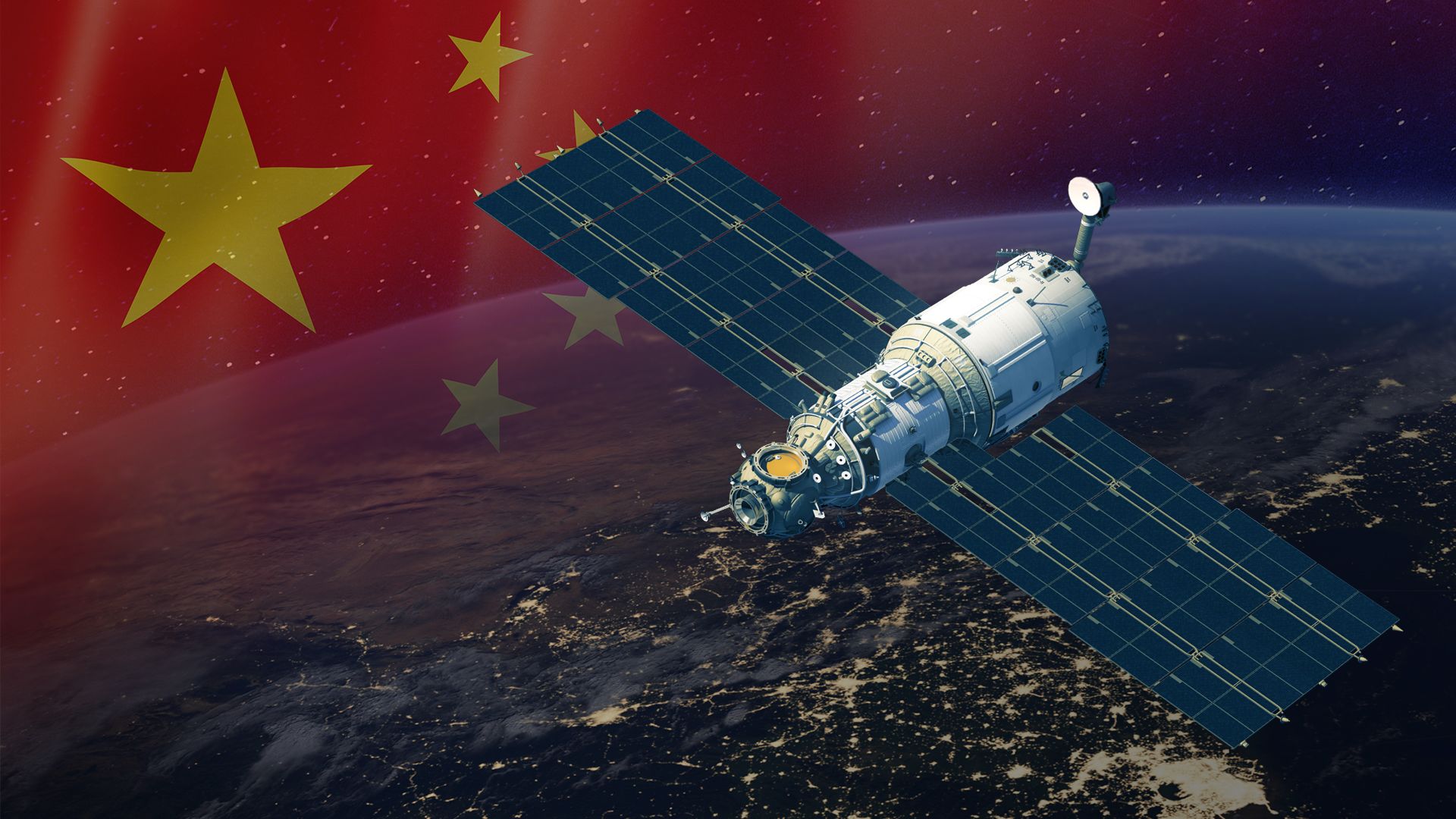
China space solar power is rapidly emerging as one of the most transformative technologies in both the global energy landscape and modern defense strategy. Recent revelations about China’s latest space-based solar power station design suggest that the country is not only pursuing clean energy innovation but also exploring dual-use capabilities that could significantly influence military operations.
The concept itself is not new. Space solar power has long been discussed as a futuristic solution to Earth’s energy challenges. However, China’s latest progress indicates that this vision may be closer to reality than previously expected. More importantly, the integration of potential military applications has added a new layer of geopolitical complexity.
Understanding China Space Solar Power Technology
China space solar power refers to the generation of solar energy in orbit, where sunlight is more intense and uninterrupted by atmospheric conditions. This energy is then converted into microwaves or laser beams and transmitted wirelessly back to Earth, where it can be converted into electricity.
Unlike terrestrial solar systems, space-based solar power operates continuously, unaffected by weather, nighttime, or seasonal variations. This allows for a far more stable and efficient energy output. China’s proposed system involves massive solar arrays stationed in geostationary orbit, capable of collecting and transmitting energy at unprecedented scales.
The latest design reportedly includes a modular architecture, allowing components to be assembled in space. This reduces launch constraints and enables scalability over time. By leveraging advances in reusable rockets, robotics, and wireless power transmission, China is positioning itself at the forefront of this emerging sector.
China space solar power development is aligned with the country’s broader push toward energy independence and carbon neutrality. As global demand for electricity continues to surge, especially with the rise of artificial intelligence and data centers, stable and scalable energy solutions are becoming increasingly critical.
Dual Use Potential and Military Implications
While China space solar power is often framed as a clean energy solution, its potential military applications are drawing significant attention. The same technology used to transmit energy could theoretically be adapted for strategic purposes.
One key concern is the possibility of converting energy beams into directed energy systems. Although such applications remain speculative, analysts suggest that high-energy microwave or laser transmission could be repurposed for disabling satellites, disrupting communications, or even targeting ground-based infrastructure.
This dual-use nature places China space solar power at the intersection of energy innovation and defense strategy. The ability to deliver power anywhere on Earth without physical infrastructure could provide logistical advantages in military operations, particularly in remote or conflict-prone regions.
Additionally, space-based power systems could support military bases, drones, and other assets by providing continuous energy supply. This would reduce reliance on traditional fuel logistics, which are often vulnerable in contested environments.
China has not officially confirmed any weaponization intent. However, the integration of military considerations into space-based technologies is not unprecedented. As such, the development of China space solar power is likely to be closely monitored by other global powers.
Global Competition in Space-Based Energy
China space solar power is part of a broader international race to develop space-based energy systems. Countries such as the United States and Japan have also been investing in similar technologies, though progress has varied.
China’s advantage lies in its centralized planning, long-term investment strategy, and rapid advancements in space infrastructure. The country has already demonstrated capabilities in building large-scale space stations and conducting complex orbital operations.
If successfully deployed, China space solar power could redefine global energy markets. The ability to transmit electricity across borders without physical grids could disrupt traditional energy trade models. Countries with limited natural resources could gain access to reliable power, potentially reducing geopolitical tensions related to energy supply.
However, this also raises questions about dependency and control. If a single nation dominates space-based energy infrastructure, it could wield significant influence over global energy distribution.
Engineering Challenges and Feasibility
Despite its promise, China space solar power faces significant technical and economic challenges. Building and maintaining large structures in space is inherently complex and costly. Issues such as material durability, thermal management, and orbital debris must be carefully addressed.
Wireless power transmission also presents hurdles. Ensuring efficient energy transfer over vast distances without significant loss remains a key challenge. Safety concerns related to high-energy beams must also be mitigated to prevent unintended harm to people, wildlife, or infrastructure.
China is reportedly planning to test smaller-scale prototypes before scaling up to full operational systems. These experiments will be crucial in validating the technology and identifying potential risks.
The timeline for large-scale deployment remains uncertain. However, incremental progress suggests that China space solar power could become operational within the next few decades.
Strategic Implications for the Future
China space solar power represents more than just a technological breakthrough. It signals a strategic shift in how nations approach energy security and military capability.
As the line between civilian and military applications continues to blur, technologies like space-based solar power will play an increasingly important role in shaping global power dynamics. The ability to harness and distribute energy from space could become a defining factor in future geopolitical competition.
For businesses and investors, this development also opens new opportunities. Industries related to aerospace, renewable energy, and advanced manufacturing are likely to benefit from increased demand and innovation.
At the same time, regulatory frameworks and international cooperation will be essential to ensure that China space solar power and similar technologies are used responsibly. Establishing norms and agreements around space-based energy transmission could help prevent potential conflicts and promote shared benefits.
In conclusion, China space solar power is no longer a distant concept but an emerging reality with far-reaching implications. As the technology evolves, its impact will extend beyond energy production, influencing defense strategies, economic systems, and international relations.
Read More