





 Monday, 12-10-26








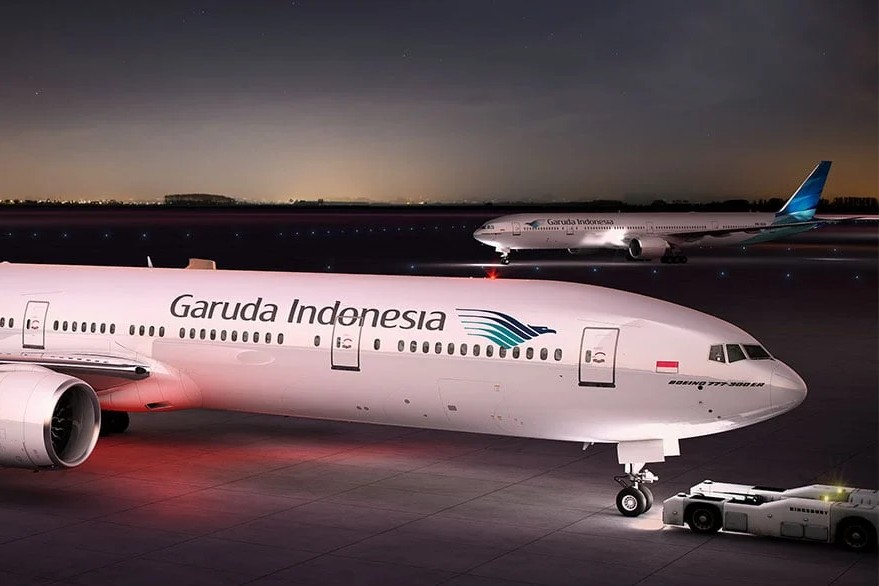
Garuda Indonesia recorded a significant net loss of Rp5.4 trillion (US$318 million) throughout the 2025 fiscal year (06/04).
This financial downturn is nearly five times larger than the losses reported by the airline in 2024. Alongside these fiscal challenges, the carrier has lost its prestigious Skytrax 5-star rating, dropping to a 4-star status due to aging facilities and inconsistent service.
Structural Industry Pressures and Global Supply Chain Constraints
Aviation analysts indicate that Garuda's struggle reflects a systemic issue within the national aviation industry rather than simple mismanagement.
High domestic fuel prices and a sensitive market have created a difficult environment for all Indonesian carriers, including AirAsia Indonesia, which lost Rp1.29 trillion in 2025.
Furthermore, a global shortage of aerospace materials like titanium, caused by international conflicts, has hindered the ability to return aircraft to service.
Massive Maintenance Cycles and Reduced Operational Capacity
A primary factor in the 2025 loss was the surge in aircraft requiring heavy maintenance, with 43 units—roughly half the fleet—undergoing service simultaneously.
This created a "double burden" of rising maintenance expenses and falling revenue from a smaller active fleet. The delay in repairs was worsened by global labor shortages and a lack of spare parts following the pandemic.
Regulatory Price Caps and Rising Fuel Expenses
Garuda Indonesia faces financial pressure from government-imposed price ceilings on domestic flight tickets. While operational costs like fuel and maintenance continue to rise, the airline cannot freely adjust domestic fares to cover these expenses. Additionally, the airline must pay for fuel in US dollars, which adds further strain when the Indonesian rupiah weakens against the dollar.
The Challenge of Balancing Public Service and Profitability
As a state-owned enterprise, the airline must decide between focusing on profitable routes or maintaining essential connectivity across the Indonesian archipelago.
Experts warn that focusing only on profit could hurt residents outside of Java who rely on the national carrier for transportation.
While some subsidiaries like Citilink showed early signs of recovery in 2026, analysts believe long-term solutions require coordinated government policy reform.
PHOTO: GARUDA INDONESIA
This article was created with AI assistance.
We make every effort to ensure the accuracy of our content, some information may be incorrect or outdated. Please let us know of any corrections at [email protected].
Read More