





 Wednesday, 23-09-26








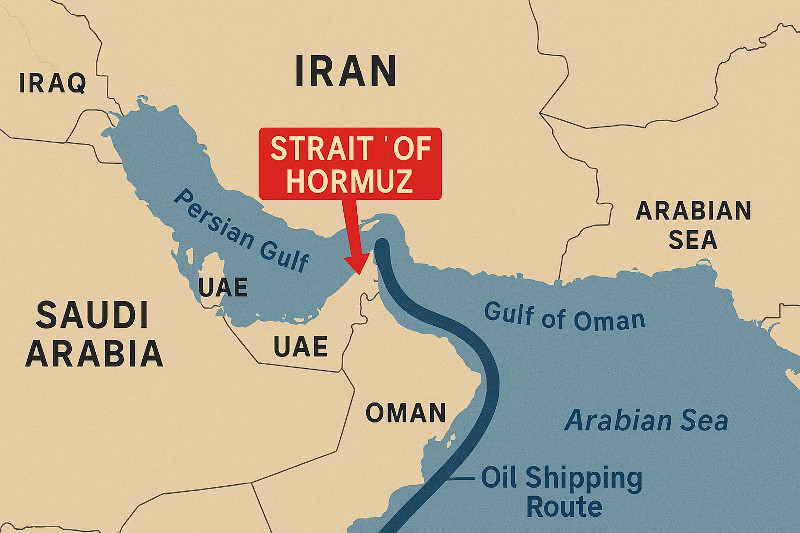
Indonesia’s fuel supply has avoided disruption after two oil tankers operated by state energy company Pertamina successfully passed through the strategic shipping route in the Middle East. The safe passage of the vessels through the Hormuz Strait Oil Supply corridor ensures that Indonesia’s fuel imports remain secure despite rising geopolitical tensions in the region.
The Strait of Hormuz is one of the most important maritime chokepoints in global energy trade. Roughly one fifth of the world’s oil shipments move through the narrow waterway that connects the Persian Gulf with international markets. Any disruption to the Hormuz Strait Oil Supply chain can quickly trigger global oil price volatility and affect fuel costs in importing countries such as Indonesia.
With tensions escalating in the Middle East due to ongoing conflict involving Iran and Western powers, many analysts feared the possibility of shipping disruptions. However, Indonesian authorities have confirmed that the country’s fuel shipments remain on schedule and that domestic fuel prices will not be affected in the near term.
Pertamina Tankers Safely Navigate Hormuz Strait Oil Supply Route
According to Indonesia’s Ministry of Energy and Mineral Resources, two Pertamina operated tankers successfully navigated the Hormuz Strait Oil Supply route and continued their journey toward Indonesian ports.
The vessels were transporting crude oil that will be processed at domestic refineries to support the country’s fuel supply. Their safe passage was closely monitored due to concerns that military tensions in the region could disrupt shipping activity.
Government officials emphasized that the situation has been carefully assessed and that shipping lanes remain operational. Indonesian authorities also confirmed that the arrival of these shipments will help maintain national energy reserves.
Ensuring the continuity of the Hormuz Strait Oil Supply pipeline is particularly important for Indonesia because the country still relies heavily on imported crude oil and refined fuel products. Maintaining a steady flow of shipments is essential for keeping domestic fuel markets stable.
The successful voyage of the two tankers has therefore eased concerns about immediate supply disruptions.
Why The Hormuz Strait Oil Supply Route Is Critical
The Hormuz Strait Oil Supply corridor is widely regarded as one of the most strategically important energy transit routes in the world. Located between Iran and Oman, the strait is only about 33 kilometers wide at its narrowest point, making it a sensitive location during periods of geopolitical tension.
Despite its narrow geography, the waterway carries an enormous volume of energy exports from major oil producing countries including Saudi Arabia, Iraq, Kuwait, and the United Arab Emirates.
According to international energy data, roughly 20 percent of global oil trade passes through the strait each day. This means any disruption to the Hormuz Strait Oil Supply system could have immediate consequences for energy markets worldwide.
In the past, tensions involving Iran have raised fears that the strait could be partially blocked or that shipping routes might become unsafe for commercial vessels. Even the possibility of disruption can push oil prices higher as traders anticipate potential supply shortages.
For countries like Indonesia that depend on imported energy resources, maintaining access to the Hormuz Strait Oil Supply network is critical to ensuring energy security.
Impact On Indonesia Fuel Prices And Subsidies
The successful arrival of Pertamina’s shipments also means that Indonesia’s subsidized fuel prices will remain unchanged for now.
Fuel subsidies play an important role in Indonesia’s economic policy. The government provides financial support to keep the prices of certain fuels affordable for consumers, particularly for transportation and small businesses.
If the Hormuz Strait Oil Supply route had been disrupted, Indonesia might have faced higher import costs for crude oil and refined fuel. This could potentially force the government to either increase fuel subsidies or raise domestic fuel prices.
Officials have confirmed that the current situation does not require any adjustment to subsidized fuel prices. The steady flow of oil shipments ensures that supply levels remain adequate.
However, authorities continue to monitor global energy markets closely. If tensions in the Middle East escalate further, the Hormuz Strait Oil Supply chain could still face risks in the future.
Indonesia’s Strategy To Strengthen Energy Security
The situation has also highlighted the importance of long term energy security strategies for Indonesia. While the country has significant natural resources, it remains a net importer of crude oil and refined fuel.
This reliance on imports means that Indonesia is vulnerable to disruptions in global supply chains, including the Hormuz Strait Oil Supply corridor.
To address this challenge, the government has been working on several initiatives aimed at strengthening domestic energy resilience.
One strategy involves expanding domestic refining capacity. By increasing the capability of national refineries, Indonesia hopes to reduce reliance on imported fuel products.
Another important effort focuses on developing alternative energy sources. Investments in renewable energy such as geothermal, solar power, and biofuels are intended to reduce dependence on fossil fuel imports over time.
Energy diversification can help protect Indonesia from potential shocks caused by disruptions in the Hormuz Strait Oil Supply system.
Global Energy Markets React To Middle East Tensions
Although Indonesia’s immediate supply situation remains stable, global energy markets continue to monitor developments in the Middle East closely.
Any escalation involving Iran could affect the Hormuz Strait Oil Supply route and potentially disrupt shipments from major oil exporting nations.
Energy analysts often describe the strait as one of the most vulnerable points in global energy infrastructure. Because such a large share of the world’s oil passes through the narrow waterway, even minor disruptions can influence prices.
For example, shipping delays or increased insurance costs for tankers operating in the region can raise transportation expenses. These additional costs can eventually be passed on to consumers through higher fuel prices.
This is why governments and energy companies around the world are closely watching the stability of the Hormuz Strait Oil Supply network.
Outlook For Indonesia’s Fuel Supply
Despite global uncertainties, Indonesia’s energy authorities remain optimistic about the country’s short term fuel supply outlook.
The safe arrival of Pertamina’s tankers demonstrates that international shipping lanes remain functional, even amid heightened geopolitical tension.
As long as the Hormuz Strait Oil Supply route remains open, Indonesia will be able to maintain its crude oil imports and refinery operations.
Nevertheless, the government continues to emphasize the importance of strengthening domestic energy infrastructure and diversifying energy sources. Reducing reliance on external supply routes is considered essential for long term energy security.
For now, the successful passage of the Pertamina vessels has reassured policymakers and consumers alike. Fuel supplies remain stable, and subsidized fuel prices will stay unchanged.
However, the situation also serves as a reminder of how closely Indonesia’s energy security is tied to global geopolitics. The stability of the Hormuz Strait Oil Supply system will continue to play a critical role in determining energy market conditions in the years ahead.
Read More