





 Saturday, 13-06-26








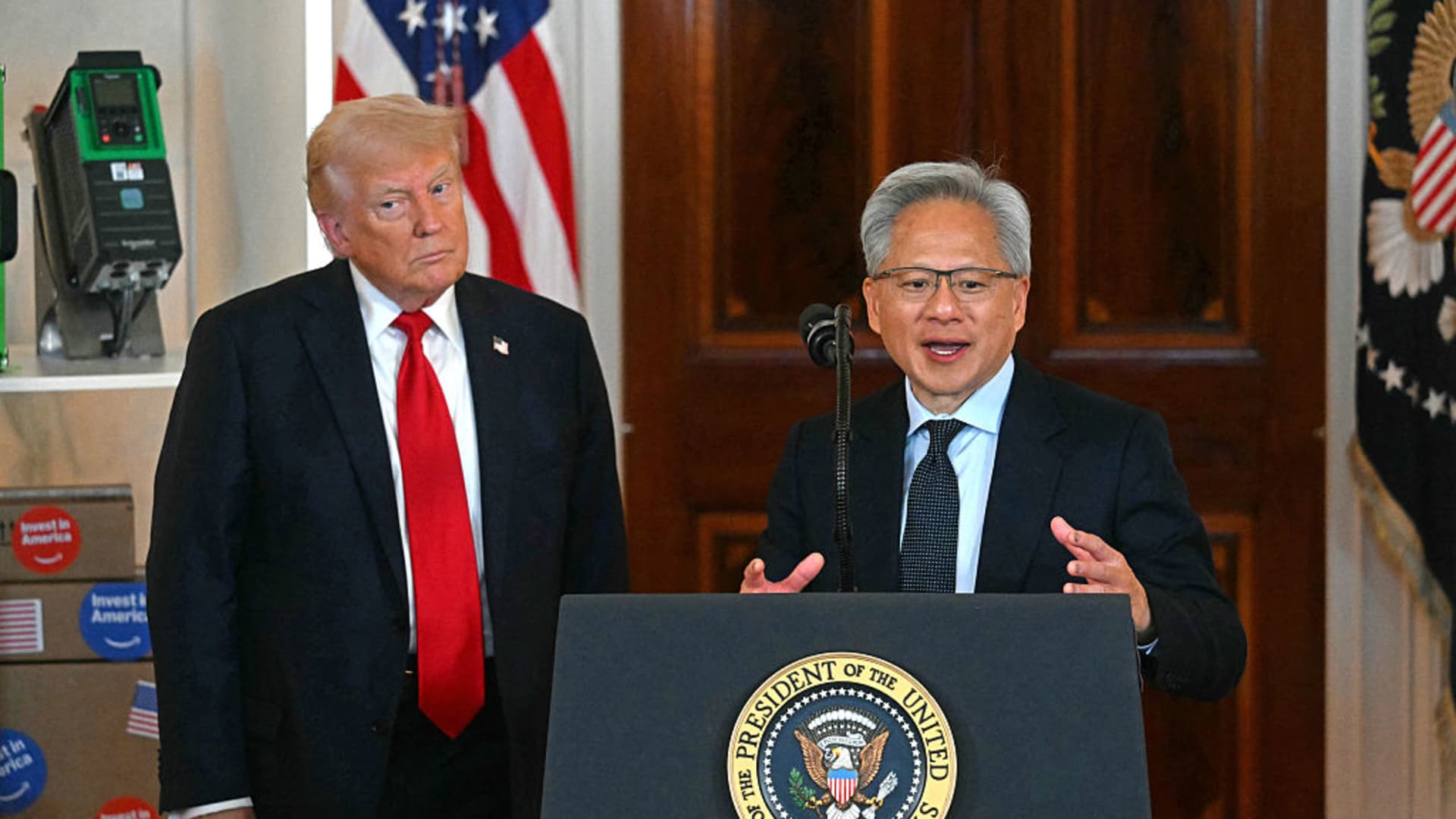
The United States is preparing a new regulatory framework that could reshape the global artificial intelligence supply chain. According to recent reports, the administration of President Donald Trump is developing a policy that would tie exports of advanced artificial intelligence chips to investment commitments in the United States.
Under the proposed AI chip export rules, foreign companies or governments seeking to purchase advanced American semiconductor technology may be required to invest in data center infrastructure located within the United States. The move signals a significant shift in Washington’s approach to technological competition, particularly in the rapidly expanding field of artificial intelligence.
The initiative reflects growing concerns among policymakers that control over AI hardware and computing infrastructure will determine future economic and geopolitical power. By linking AI chip exports with domestic infrastructure development, the United States aims to ensure that critical computing capacity remains anchored within its borders.
The policy could have far reaching implications for global technology companies, semiconductor manufacturers, and governments that rely on advanced computing hardware.
Why The United States Is Introducing AI Chip Export Rules
The proposed AI chip export rules are part of a broader strategy aimed at maintaining American leadership in artificial intelligence and semiconductor technology.
Advanced AI chips are essential components in modern data centers, where they power machine learning models, large language models, and complex computational tasks. Companies developing artificial intelligence systems rely heavily on specialized processors designed by firms such as Nvidia, AMD, and other semiconductor leaders.
These chips are capable of performing enormous volumes of calculations required for training and operating modern AI systems. As demand for artificial intelligence grows, access to high performance chips has become a strategic asset for both corporations and governments.
The United States has already implemented several export restrictions designed to limit the transfer of advanced semiconductor technology to geopolitical competitors. Previous policies focused primarily on restricting chip sales to certain countries.
However, the new AI chip export rules appear to go a step further. Instead of simply blocking exports, the policy would allow international buyers to purchase advanced chips under the condition that they invest in American data center infrastructure.
This approach reflects a dual objective. On one hand, it maintains control over the distribution of cutting edge technology. On the other hand, it encourages global companies to build computing infrastructure inside the United States.
Such investments could strengthen the country’s position as the world’s leading hub for artificial intelligence development.
Linking Chip Sales To Data Center Investments
One of the most notable aspects of the proposed AI chip export rules is the requirement that buyers commit to building or funding data centers within the United States.
Data centers are the physical backbone of artificial intelligence. These facilities house thousands of high performance processors, storage systems, and networking equipment needed to train and deploy AI models.
Constructing modern AI data centers requires enormous financial resources. Large facilities can cost billions of dollars and consume vast amounts of electricity to power and cool their computing equipment.
By linking chip exports to domestic infrastructure investments, policymakers aim to ensure that more of this computing capacity is located within the United States.
For foreign technology companies, the rule could create a trade off. Access to the most advanced American AI chips may require committing significant capital toward building data center operations on American soil.
This requirement could encourage multinational technology firms to establish new research centers, cloud computing facilities, and artificial intelligence laboratories in the United States.
Such developments would generate jobs, stimulate local economies, and strengthen the country’s technological ecosystem.
At the same time, the policy may also reshape how global companies plan their infrastructure investments.
Instead of building large AI facilities exclusively in their home markets, international firms may increasingly look toward the United States as a base for advanced computing operations.
Impact On The Global AI Industry
The introduction of AI chip export rules could have profound consequences for the global artificial intelligence industry.
Access to advanced computing hardware has already become one of the most significant bottlenecks in AI development. Training large scale models requires enormous computing power that only a limited number of data centers currently provide.
Companies around the world are racing to secure supplies of high performance AI processors. Restrictions on chip exports can therefore influence which countries and organizations are able to develop the most advanced artificial intelligence technologies.
If the new AI chip export rules are implemented, foreign companies may face new strategic decisions regarding where they build their computing infrastructure.
For example, a technology firm in Asia or Europe seeking to acquire American AI chips might choose to establish a data center presence in the United States in order to meet regulatory requirements.
Such moves could shift global investment flows toward the American technology sector.
At the same time, the policy may also encourage other countries to accelerate their own semiconductor and AI infrastructure development.
Nations that perceive the rules as restrictive might invest more heavily in domestic chip manufacturing and alternative computing technologies.
This dynamic could intensify the ongoing technological competition between major global powers.
Strategic Importance Of AI Infrastructure
The focus on data centers within the AI chip export rules highlights the growing importance of computing infrastructure in the digital economy.
Artificial intelligence is no longer just a software innovation. It depends heavily on the availability of powerful hardware systems capable of processing massive datasets and running complex algorithms.
As AI models grow larger and more sophisticated, the demand for high performance computing continues to increase.
Major technology companies are already investing tens of billions of dollars in data center construction to support artificial intelligence workloads. Cloud computing providers such as Amazon, Microsoft, and Google are expanding their global infrastructure networks to meet this demand.
Governments are also beginning to recognize the strategic importance of AI infrastructure.
Countries that host large numbers of advanced data centers gain advantages in research, innovation, and economic development. These facilities support not only artificial intelligence companies but also industries ranging from finance and healthcare to manufacturing and logistics.
The AI chip export rules therefore represent an effort to ensure that the United States remains a central hub for this critical infrastructure.
By encouraging foreign investment in domestic data centers, policymakers hope to reinforce the country’s leadership in AI research and development.
Challenges And Potential Criticism
While the proposed AI chip export rules aim to strengthen American technological leadership, they may also generate debate among industry stakeholders.
Some companies may argue that tying chip exports to domestic investment requirements could complicate international trade relationships. Technology firms operating across multiple markets may prefer more flexible policies that allow them to build infrastructure wherever it is most efficient.
There are also concerns that overly restrictive export rules could accelerate efforts by other countries to develop competing semiconductor industries.
If foreign governments view the policy as a barrier to accessing American technology, they may increase funding for domestic chip manufacturing and AI research.
Such developments could eventually reduce global reliance on American semiconductor companies.
However, supporters of the policy argue that maintaining control over critical technologies is essential for national security and economic stability.
Artificial intelligence is widely viewed as a transformative technology that will influence everything from defense systems to economic productivity.
Ensuring that the United States remains at the forefront of this technological revolution has become a priority for policymakers in Washington.
The Future Of AI Chip Export Rules
The introduction of AI chip export rules linked to data center investments reflects the evolving relationship between technology policy and geopolitical competition.
Artificial intelligence has become one of the most strategically important industries in the world. Governments are increasingly using regulatory tools to influence where innovation occurs and who controls the underlying infrastructure.
For technology companies, the emerging policy landscape means that access to advanced computing resources may become tied to broader economic and political considerations.
Firms seeking to purchase cutting edge AI hardware may need to align their investment strategies with regulatory expectations in major markets.
If implemented, the AI chip export rules could reshape the global map of data center development, directing more infrastructure investment toward the United States.
The policy also underscores a broader reality of the modern digital economy. Control over computing power is becoming just as important as control over natural resources once was.
As artificial intelligence continues transforming industries worldwide, the nations that host the most advanced data centers and semiconductor technologies will likely play a decisive role in shaping the future of the global economy.
Read More