





 Friday, 18-09-26








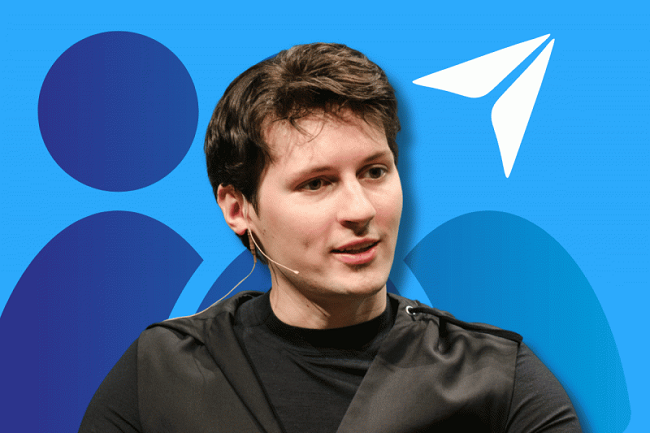
In the technology industry, success is often associated with massive workforces, sprawling corporate campuses, and thousands of engineers. Companies such as Google, Meta, and Microsoft employ tens of thousands of workers to operate their global platforms. Yet one messaging company has taken a radically different approach. Telegram has managed to build a digital empire valued at around 30 billion dollars while operating with an extremely small workforce.
The Telegram business model is widely discussed because the company reportedly runs its global messaging service with only about 30 employees. Despite its lean structure, Telegram serves hundreds of millions of users around the world and continues to grow rapidly. This unusual combination of scale and efficiency has made the Telegram business model a fascinating case study for entrepreneurs, investors, and technology analysts.
The platform’s success reflects not only innovative engineering but also a deliberate strategy built around automation, minimal bureaucracy, and a strong product vision.
The Origins Of The Telegram Business Model
Telegram was founded in 2013 by Russian entrepreneur Pavel Durov and his brother Nikolai Durov. The brothers previously created the Russian social network VKontakte, which became one of the largest social media platforms in Eastern Europe.
After leaving VKontakte due to political and business conflicts, Pavel Durov focused on building a new communication platform that emphasized privacy, speed, and independence from government control. This vision laid the foundation for the Telegram business model.
From the beginning, Telegram was designed differently from traditional technology startups. Instead of building a large corporate structure, the founders prioritized efficiency and autonomy. The company deliberately maintained a small core team of engineers who could develop and maintain the platform without the layers of management typically found in Silicon Valley firms.
The Telegram business model also focused heavily on automation. Many operational tasks that would normally require large support teams were replaced with automated systems and community driven moderation tools.
This approach allowed Telegram to grow rapidly without significantly increasing its headcount. Over time, the messaging app expanded across Europe, Asia, the Middle East, and Latin America, becoming one of the most widely used communication platforms in the world.
Today Telegram reportedly serves more than 900 million active users globally. Despite this enormous scale, the company continues to operate with a remarkably small internal team.
Why Telegram Runs With Only A Few Employees
One of the most surprising aspects of the Telegram business model is the extremely small workforce behind the platform. According to reports, Telegram operates with roughly 30 employees, a number that appears almost impossible for a platform serving hundreds of millions of users.
The key lies in how the company structures its technology infrastructure and product strategy.
First, Telegram relies heavily on highly efficient software architecture. The platform is built to handle enormous volumes of messages with minimal computing resources. Its infrastructure design allows the service to scale without requiring massive engineering teams to manage it.
Second, the Telegram business model emphasizes outsourcing and distributed collaboration. Instead of hiring large internal departments, Telegram works with contractors and external developers for certain specialized tasks.
Third, the platform uses user driven ecosystems to reduce operational costs. For example, Telegram communities often manage their own moderation systems, especially within large group chats and channels. This reduces the need for large content moderation teams that other social media companies must maintain.
Another factor is product simplicity. Telegram focuses on a relatively narrow core mission which is fast, secure communication. Unlike many technology companies that diversify into numerous services, Telegram concentrates its development efforts on improving the messaging experience.
This focused strategy reduces the complexity that often forces companies to expand their workforce.
The result is a company that operates with remarkable efficiency while still competing against some of the largest tech platforms in the world.
Revenue Strategy Behind The Telegram Business Model
For many years Telegram operated without a clear revenue model. Founder Pavel Durov initially funded the platform using his personal wealth, prioritizing user growth and independence over immediate profits.
However, as the platform expanded globally, Telegram gradually introduced several monetization strategies that now define the modern Telegram business model.
One of the most important revenue streams is Telegram Premium, a subscription service that offers additional features such as faster downloads, larger file uploads, advanced stickers, and expanded customization options. Users who want enhanced functionality can pay a monthly subscription fee.
Another major component of the Telegram business model is advertising within public channels. Unlike traditional social media ads that appear in personal feeds, Telegram places sponsored messages inside large public channels with massive audiences. This approach allows the company to generate revenue while minimizing disruption to private conversations.
Telegram has also launched its own advertising platform that allows brands to reach large communities inside the app.
Additionally, the company continues exploring new revenue opportunities related to digital ecosystems and blockchain based technologies. Telegram previously experimented with cryptocurrency initiatives and digital token projects designed to support decentralized applications.
Although some of these initiatives faced regulatory challenges, they demonstrate how the Telegram business model continues evolving as the company explores new ways to monetize its massive user base.
The Global Growth Of Telegram
The expansion of Telegram over the past decade has been remarkable. The platform has become particularly popular in regions where users seek alternatives to mainstream messaging apps.
In countries with strict internet regulations or concerns about data privacy, Telegram’s emphasis on encryption and independence has attracted large communities of users. The platform has also gained traction among entrepreneurs, content creators, educators, and activists who use Telegram channels to distribute information to large audiences.
Another factor behind Telegram’s growth is its support for large scale group communication. Unlike many messaging apps that limit group size, Telegram allows communities with hundreds of thousands of members.
This feature has transformed Telegram into something closer to a social media platform rather than just a messaging app.
Businesses and organizations increasingly use Telegram channels as communication hubs for marketing, customer engagement, and community building. These channels can function as news feeds, educational platforms, or discussion forums.
As more users adopt these features, the Telegram business model benefits from network effects that strengthen the platform’s ecosystem.
What Startups Can Learn From The Telegram Business Model
The Telegram business model offers several lessons for startups and entrepreneurs seeking to build scalable digital platforms.
First, efficiency can sometimes outperform scale. While many technology companies grow rapidly by hiring large teams, Telegram demonstrates that a small but highly skilled engineering group can operate a massive global platform.
Second, a clear product vision is essential. Telegram focuses intensely on communication, privacy, and speed. This clarity helps the company avoid the distractions that often complicate large technology organizations.
Third, automation plays a critical role in maintaining lean operations. By designing systems that handle operational tasks automatically, Telegram reduces the need for large support teams.
Finally, patience in monetization can pay off. Instead of rushing into aggressive advertising models, Telegram prioritized building a loyal user base before introducing revenue generating features.
This strategy allowed the platform to grow organically while maintaining strong user trust.
The Future Of The Telegram Business Model
As Telegram approaches the milestone of one billion users, the company faces new opportunities and challenges. Scaling the platform further may eventually require expanding its workforce or developing new partnerships.
At the same time, the Telegram business model remains one of the most efficient in the technology industry. Few digital platforms of similar size operate with such a small internal team.
The messaging landscape continues evolving as competition intensifies among global communication apps. Companies such as WhatsApp, Signal, and WeChat are all vying for dominance in different regions.
However, Telegram’s unique combination of privacy, flexibility, and lean operations gives it a distinctive position in the global market.
Whether Telegram continues operating with only a few dozen employees or eventually expands its workforce, the company has already demonstrated something remarkable. The Telegram business model proves that in the digital economy, scale does not always require massive organizations.
Sometimes a small team with the right technology and vision can build a platform used by hundreds of millions around the world.
Read More