





 Tuesday, 28-07-26








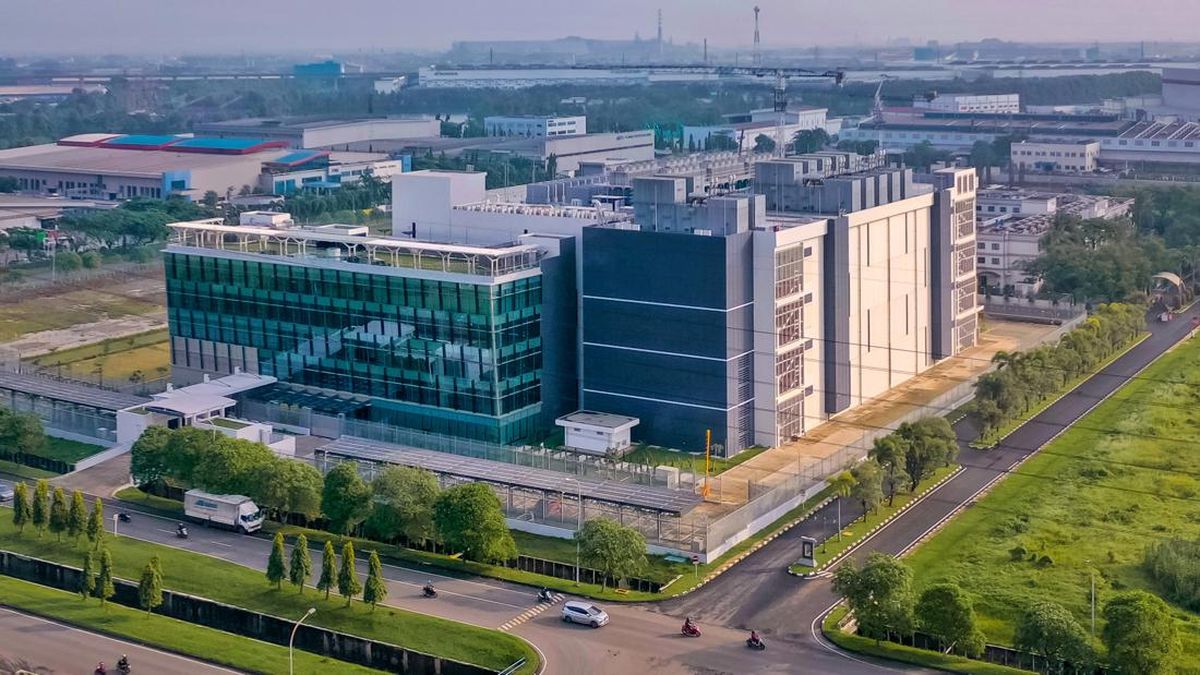
Indonesia is rapidly positioning itself as a major Indonesia Data Center Hub in Asia, supported by its strategic geographic location, growing digital economy, and increasing interest from global technology investors. As data becomes the backbone of modern economies, countries across Southeast Asia are competing to attract infrastructure investments that will define the next phase of digital growth. Indonesia, with its scale and market potential, is emerging as a frontrunner in this race.
The concept of an Indonesia Data Center Hub is not just aspirational. It is grounded in tangible advantages that make the country an attractive destination for hyperscale and colocation data center operators. However, realizing this potential will require coordinated efforts across infrastructure, policy, and sustainability.
Strategic Location Strengthens Indonesia Data Center Hub Ambition
One of the most compelling factors supporting the rise of the Indonesia Data Center Hub is its geographic positioning. Located between major global data traffic routes, Indonesia sits at the crossroads of Asia Pacific’s digital economy. This strategic location allows it to serve as a bridge between key markets such as East Asia, South Asia, and Australia.
Submarine cable networks, which form the backbone of global internet connectivity, increasingly pass through Indonesian waters. This enhances latency performance and connectivity reliability, making Indonesia an ideal location for data centers that require fast and stable connections.
In addition, Indonesia’s proximity to major digital economies such as Singapore and Australia provides a competitive edge. While Singapore has long been the dominant data center hub in Southeast Asia, land constraints and regulatory tightening have opened opportunities for neighboring countries. Indonesia is well positioned to capture spillover demand, further strengthening its Indonesia Data Center Hub ambitions.
Beyond geography, Indonesia’s large domestic market adds another layer of attractiveness. With millions of internet users generating vast amounts of data daily, the need for local data processing and storage is increasing. This demand creates a strong foundation for sustainable growth in the data center sector.
Growing Digital Economy Fuels Indonesia Data Center Hub Development
The rapid expansion of Indonesia’s digital economy is a key driver behind the growth of the Indonesia Data Center Hub. E-commerce platforms, fintech services, online education, and digital entertainment are generating exponential data volumes, requiring advanced infrastructure to support operations.
Cloud adoption is accelerating across industries, from startups to large enterprises. Companies are increasingly migrating workloads to cloud environments, creating demand for scalable and reliable data center capacity. This trend is further reinforced by the adoption of artificial intelligence and machine learning technologies, which require high-performance computing resources.
Government initiatives also play a critical role in supporting the Indonesia Data Center Hub vision. Policies aimed at digital transformation, data localization, and smart city development are encouraging investments in local infrastructure. By promoting the development of domestic data centers, the government aims to enhance data sovereignty and reduce reliance on foreign facilities.
At the same time, global technology companies are expanding their footprint in Indonesia. Hyperscale providers are investing in large-scale facilities to serve both local and regional markets. These investments not only bring capital but also transfer knowledge and technology, strengthening the overall ecosystem.
However, competition in the region remains intense. Countries such as Malaysia and Thailand are also positioning themselves as alternative data center hubs. To maintain its competitive edge, Indonesia must continue to improve its infrastructure, regulatory environment, and investment climate.
Infrastructure And Energy Challenges Facing Indonesia Data Center Hub
Despite its strong potential, the development of the Indonesia Data Center Hub is not without challenges. One of the most significant issues is infrastructure readiness, particularly in terms of electricity supply and connectivity.
Data centers require large amounts of energy to operate efficiently. Ensuring a stable and reliable power supply is critical for maintaining uptime and performance. While Indonesia has made progress in expanding its electricity capacity, disparities remain across regions.
Most data center developments are concentrated in areas with relatively mature infrastructure, such as Greater Jakarta. However, as demand grows and land becomes scarce, developers are exploring new locations. This expansion highlights the need for more balanced infrastructure development across the country.
Energy sustainability is another important consideration. As global investors increasingly prioritize environmental, social, and governance standards, the carbon footprint of data centers is under scrutiny. Indonesia’s reliance on fossil fuels, particularly coal, poses a challenge for attracting environmentally conscious investors.
To address this issue, there is growing interest in renewable energy solutions. Solar, geothermal, and hydroelectric power offer opportunities to support the sustainable growth of the Indonesia Data Center Hub. Integrating these energy sources into the power mix will be essential for long-term competitiveness.
Connectivity infrastructure also plays a crucial role. While submarine cable networks provide strong international connectivity, domestic network quality must be continuously improved to ensure seamless data flow across the archipelago.
Investment Outlook And Regional Competition
The future of the Indonesia Data Center Hub looks promising, but it will depend on how effectively the country navigates both opportunities and challenges. Investment interest remains strong, driven by favorable demographics, economic growth, and increasing digital adoption.
Indonesia’s ability to attract foreign direct investment will be a key factor in scaling its data center industry. Investors are looking for clear regulations, efficient permitting processes, and strong infrastructure support. Simplifying bureaucratic procedures and providing incentives for investment could significantly enhance Indonesia’s appeal.
At the same time, regional competition is intensifying. Singapore continues to dominate the market with its advanced infrastructure and regulatory clarity, despite limitations on new data center developments. Malaysia and Thailand are emerging as viable alternatives, offering competitive costs and improving infrastructure.
To differentiate itself, Indonesia must leverage its unique strengths. Its large domestic market, strategic location, and growing digital ecosystem provide a strong foundation. By addressing infrastructure gaps and enhancing sustainability, the country can solidify its position as a leading Indonesia Data Center Hub.
Collaboration between public and private sectors will be critical. Joint efforts to develop infrastructure, promote innovation, and ensure regulatory alignment can accelerate growth and attract more investment.
Building A Sustainable Indonesia Data Center Hub
Sustainability will be a defining factor in the evolution of the Indonesia Data Center Hub. As data centers become more energy-intensive, balancing growth with environmental responsibility is essential.
Operators are increasingly adopting energy-efficient technologies, such as advanced cooling systems and AI-driven energy management. These innovations help reduce power consumption and operational costs, while also minimizing environmental impact.
In addition, partnerships with renewable energy providers are becoming more common. Power purchase agreements and on-site generation projects enable data center operators to secure clean energy and meet sustainability targets.
The government also has a role to play in supporting green initiatives. Policies that encourage renewable energy adoption and provide incentives for sustainable practices can drive industry-wide transformation.
Ultimately, the success of the Indonesia Data Center Hub will depend on its ability to align economic growth with environmental sustainability. By embracing innovation and collaboration, Indonesia can build a resilient and future-ready data center ecosystem.
Conclusion
The rise of the Indonesia Data Center Hub reflects the country’s growing importance in the global digital economy. With its strategic location, expanding market, and increasing investment, Indonesia has the potential to become a leading data center hub in Asia.
However, realizing this potential will require addressing key challenges, particularly in infrastructure and energy. By investing in sustainable solutions and strengthening its regulatory framework, Indonesia can position itself as a competitive and attractive destination for data center investment.
As the digital landscape continues to evolve, the development of the Indonesia Data Center Hub will play a crucial role in shaping the country’s economic future. The next few years will be critical in determining how Indonesia capitalizes on this opportunity.
Read More