





 Tuesday, 27-10-26








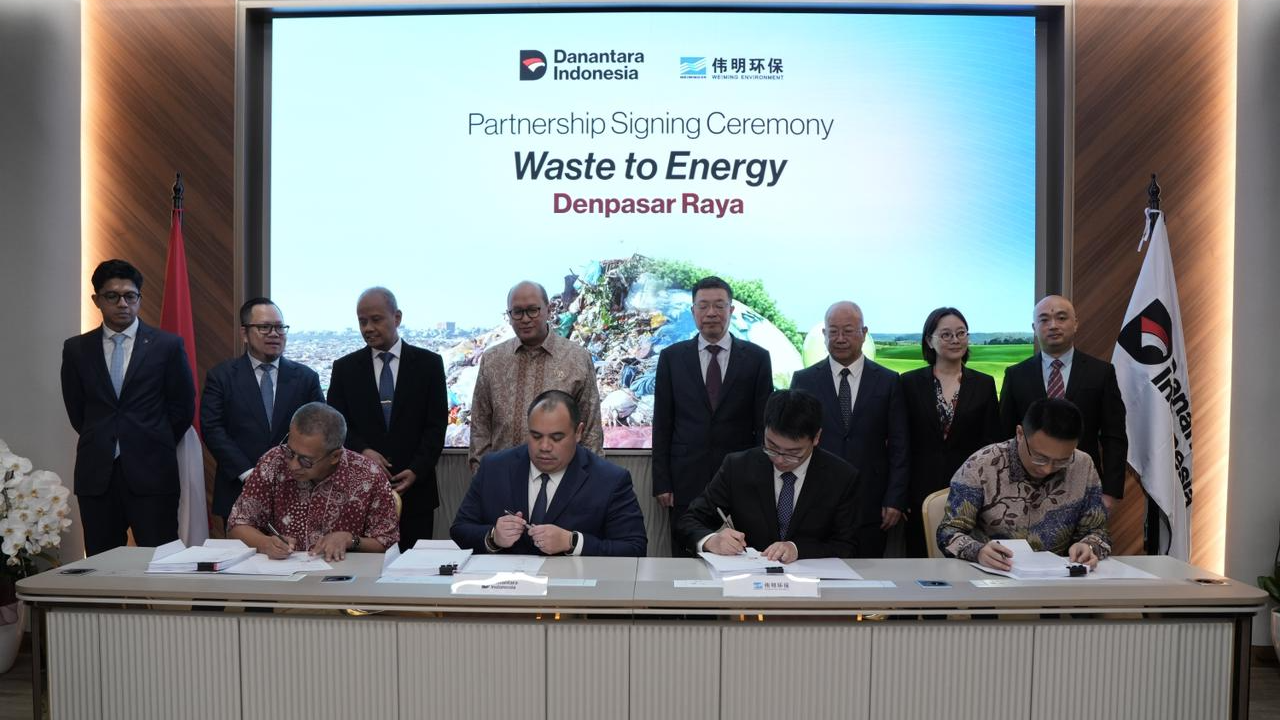
Indonesia is facing a growing waste management crisis driven by rapid urbanization, population growth, and rising consumption. Every year, millions of tons of waste are generated across the archipelago, putting pressure on landfills and urban infrastructure. In response, the government and industry stakeholders are exploring innovative approaches to waste management. One of the most prominent solutions gaining attention is Waste to Energy Indonesia, a strategy that converts waste into electricity while supporting the country’s transition toward renewable energy.
However, Waste to Energy Indonesia is not simply about burning garbage to produce power. The concept is increasingly viewed as part of a broader circular economy strategy that combines waste management reform, environmental protection, and energy diversification. As policymakers, investors, and environmental groups debate its potential, the role of Waste to Energy Indonesia in shaping the future of urban sustainability has become a critical policy discussion.
Indonesia’s waste problem is substantial. According to national waste management data, the country generates tens of millions of tons of waste annually, with only around sixty percent properly managed. The remaining waste often ends up in open dumping sites or leaks into the environment, contributing to pollution and greenhouse gas emissions. In this context, Waste to Energy Indonesia is increasingly seen as a potential pathway to reduce landfill dependency while creating new sources of electricity.
Waste to Energy Indonesia As A Strategic Waste Management Solution
Waste to Energy Indonesia refers to the process of converting municipal solid waste into usable energy, typically electricity or heat. The technology is commonly implemented through facilities known as waste powered power plants, where waste that cannot be recycled is processed and converted into energy through thermal or biological methods.
One of the most widely discussed forms of this technology in Indonesia is the municipal waste power plant system, often referred to as waste to energy power plants. These facilities can process large volumes of waste daily, significantly reducing the amount sent to landfills while generating electricity for the grid.
Indonesia’s waste challenge makes the development of Waste to Energy Indonesia particularly attractive. The country produces tens of millions of tons of waste annually, much of which is concentrated in urban centers. Landfills in major cities are reaching capacity, and many sites still rely on outdated open dumping systems.
Waste to Energy Indonesia offers a potential solution by transforming waste from an environmental burden into a resource. By converting non recyclable waste into electricity, these facilities can help reduce landfill volume, limit methane emissions, and provide an alternative energy source.
Government officials have emphasized that Waste to Energy Indonesia projects could also support national energy security. In addition to reducing waste, each facility has the potential to produce several megawatts of electricity, contributing to the diversification of Indonesia’s power generation mix.
Beyond electricity generation, Waste to Energy Indonesia also supports broader environmental goals. Waste decomposition in landfills releases methane, a greenhouse gas significantly more potent than carbon dioxide. By diverting waste into energy production, these emissions can be reduced, contributing to climate mitigation efforts.
Investment Potential And Economic Challenges
Despite its promise, Waste to Energy Indonesia projects face significant economic and technical hurdles. Building waste powered electricity plants requires large upfront investments, sophisticated technology, and long term waste supply guarantees.
Industry estimates suggest that the cost of building waste to energy facilities can reach several million dollars per megawatt depending on location, scale, and technology. These high capital costs make investors cautious, especially when compared to other renewable energy technologies such as solar or hydropower.
Another challenge for Waste to Energy Indonesia lies in the electricity pricing mechanism. Electricity generated from waste is generally more expensive than conventional power sources, which means government support or subsidies may be necessary to make projects financially viable.
In Indonesia, the economic structure of Waste to Energy Indonesia projects often relies on a combination of electricity sales and tipping fees. Tipping fees refer to payments made by local governments to waste processing facilities for handling municipal waste. Without adequate tipping fee structures, project developers may struggle to achieve sustainable returns.
Infrastructure readiness also plays a major role in determining the success of Waste to Energy Indonesia. Effective waste segregation, collection systems, and transportation logistics are essential for maintaining a consistent supply of waste feedstock for power plants.
Experts emphasize that without improvements in waste governance at the municipal level, Waste to Energy Indonesia projects may face operational challenges. Waste management begins at the household level, and inconsistent sorting practices can affect the efficiency of energy conversion processes.
Nevertheless, interest in Waste to Energy Indonesia projects continues to grow. Both domestic and international investors are exploring opportunities in the sector as Indonesia seeks innovative ways to manage waste and expand renewable energy capacity.
Environmental Considerations And Sustainability Debate
While Waste to Energy Indonesia presents opportunities, the concept also raises environmental concerns. Critics argue that poorly designed facilities could generate harmful emissions or discourage recycling efforts if waste becomes a fuel source.
Environmental organizations have warned that Waste to Energy Indonesia projects must be implemented with strict environmental standards and transparent impact assessments. Advanced emission control technologies are necessary to prevent air pollution and ensure public health protection.
Another key debate surrounding Waste to Energy Indonesia involves its position within the waste management hierarchy. Many sustainability experts argue that waste reduction and recycling should remain the top priorities, with energy conversion serving only as a final option for non recyclable waste.
If implemented responsibly, Waste to Energy Indonesia can complement existing recycling and waste reduction programs. The technology works best when integrated into a comprehensive waste management strategy that includes recycling, composting, and circular economy initiatives.
Indonesia’s policy framework increasingly reflects this approach. National waste management targets aim to significantly reduce landfill waste while increasing recycling rates and expanding waste processing infrastructure.
Within this broader strategy, Waste to Energy Indonesia is positioned as a supporting pillar rather than a standalone solution. By processing residual waste that cannot be recycled, these facilities can help cities move closer to sustainable waste management systems.
The Future Of Waste to Energy Indonesia
Looking ahead, Waste to Energy Indonesia is expected to play a growing role in addressing the country’s environmental and energy challenges. With urban populations expanding and waste generation rising, innovative waste processing technologies will become increasingly necessary.
Several cities across Indonesia are being considered for the development of waste to energy facilities, particularly in densely populated urban regions where landfill capacity is limited. These projects are expected to integrate advanced technologies that minimize emissions while maximizing energy recovery.
The long term success of Waste to Energy Indonesia will depend on several key factors. Strong regulatory frameworks, transparent investment mechanisms, and effective waste management systems will be essential for attracting investors and ensuring environmental sustainability.
Equally important is public awareness. Waste separation at the household level remains a crucial step in improving the efficiency of waste processing technologies, including waste to energy systems.
Ultimately, Waste to Energy Indonesia represents a shift in how the country views waste. Instead of being treated solely as a disposal problem, waste is increasingly recognized as a potential resource within the circular economy.
If implemented carefully and integrated with broader sustainability policies, Waste to Energy Indonesia could help transform one of Indonesia’s most pressing environmental challenges into an opportunity for green energy, economic development, and environmental protection.
Read More