





 Monday, 21-09-26








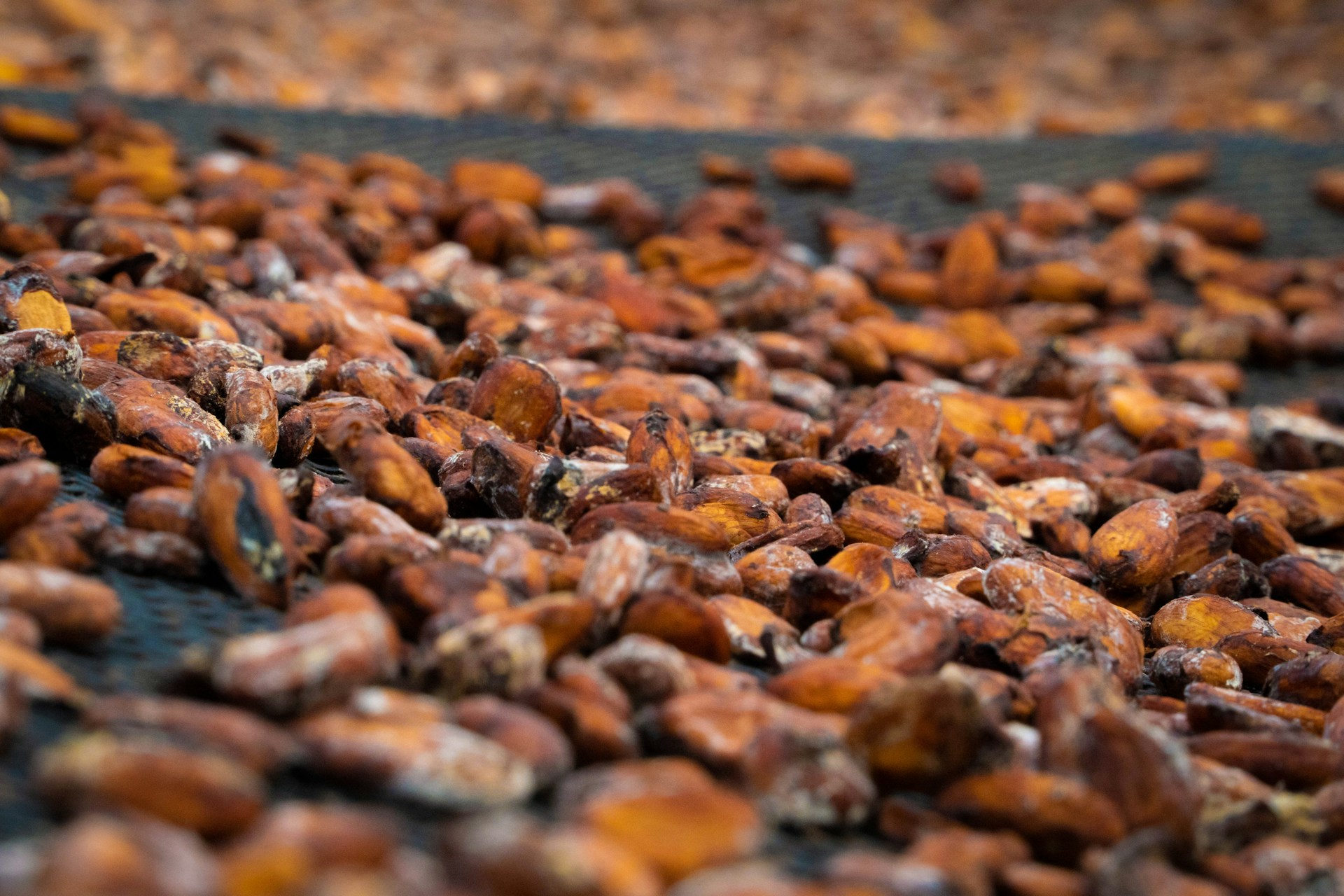
Indonesia is solidifying its role as a major global hub for cocoa processing, with domestic grinding capacity and exports showing significant growth in 2025 (03/03).
The manufacturing sector has demonstrated a strategic role as a driver of the national economy, with processing industries expanding 5.30 percent, surpassing the national economic growth of 5.11 percent.
Agro Industry Drives Manufacturing Growth
Industry Minister Agus Gumiwang Kartasasmita highlighted the contribution of the agro-industry as a key support for non-oil and gas manufacturing. “As of December 2025, the agro-industry contributed 52.09 percent to non-oil and gas manufacturing GDP. This shows its crucial role in strengthening the national industrial structure,” he said in Jakarta (03/03).
The Ministry of Industry, in collaboration with the Indonesian Cocoa Association (ASKINDO), continues to focus on enhancing competitiveness in the agro-industry, especially cocoa processing, affirming Indonesia’s position as a leading cocoa grinder in Asia and globally. “Since 2025, domestic cocoa bean availability has been increasing, prompting us to strengthen local grinding capacity,” Agus added.
Recovery in Cocoa Supply Supports Growth
Acting Director General of Agro Industry Putu Juli Ardika explained that global cocoa supply disruptions in 2024, especially from West Africa, reduced grinding activities in many processing countries.
By 2025, domestic cocoa supply improved, supporting national cocoa processing at 4.43 percent growth with a grinding volume of 422,176 tons. The industry contributed USD 3.42 billion in foreign exchange. “This achievement places Indonesia as the fourth-largest processed cocoa producer worldwide. The country now supplies 8.46 percent of global processed cocoa, including cocoa butter, cocoa liquor, cocoa cake, and cocoa powder,” Putu stated.
Strategic Policies to Strengthen Domestic Cocoa Industry
To address supply challenges, the government has implemented strategic initiatives such as integrating cocoa into the Plantation Fund Management Agency (BPDP). Programs focus on building human resource capacity, revitalizing cocoa farms, and enhancing research and innovation.
The Ministry of Industry also allocated a machine restructuring budget for cocoa and chocolate processing industries to boost production efficiency and strengthen global competitiveness. Delays in the EU Deforestation Regulation (EUDR) and 0 percent tariffs from the United States for Indonesian cocoa and chocolate provide further opportunities for export expansion.
Indonesia Hosts International Cocoa Conference 2026
Indonesia will host the 9th Indonesia International Cocoa Conference (IICC) in Yogyakarta from 22–24 July 2026. The event, themed “The Rise of Indonesian Cocoa: The Pearl of Asia for the World,” is expected to serve as a strategic forum for industry players, stakeholders, and international partners to enhance collaboration and promote national cocoa industry transformation.
Putu concluded, “We are optimistic that upstream–downstream policy synergy, increased raw material productivity, and industry modernization will strengthen Indonesia’s position as the growth center for the cocoa industry in Asia and a key player in the global cocoa supply chain.”
PHOTO: UNSPLASH
This article was created with AI assistance.
We make every effort to ensure the accuracy of our content, some information may be incorrect or outdated. Please let us know of any corrections at [email protected].
Read More