





 Friday, 25-09-26








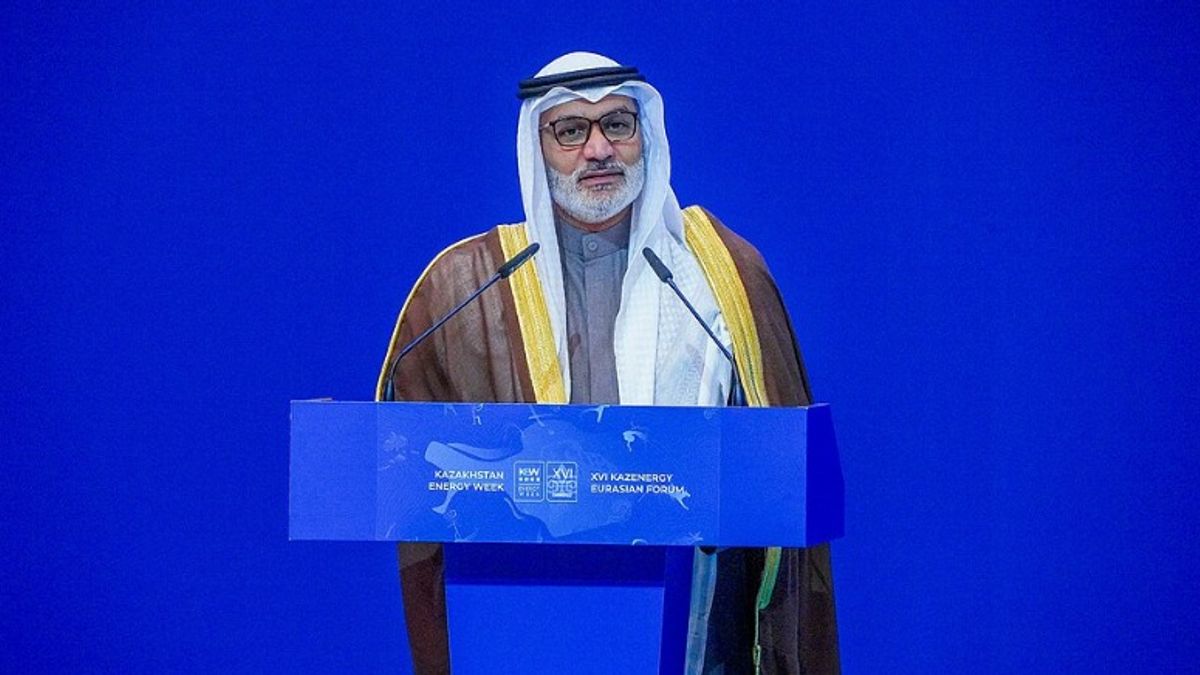
The decision surrounding a potential UAE OPEC exit is sending ripples across global energy markets. As one of the key oil producers in the Middle East, the United Arab Emirates has long played a strategic role within OPEC. Any shift in its position carries implications not only for oil supply but also for pricing stability, geopolitical dynamics, and long term energy strategies.
The discussion around a UAE OPEC exit highlights deeper structural tensions within the oil producing alliance. It also reflects how individual countries are reassessing their economic priorities in an increasingly complex energy landscape shaped by volatility, climate commitments, and competition.
Why the UAE OPEC Exit Matters for Global Oil Markets
At its core, the UAE OPEC exit debate centers on production flexibility. OPEC operates on a quota system, where member countries agree to limit output to stabilize prices. While this system has historically helped manage supply shocks, it also constrains countries that want to increase production capacity.
The UAE has invested heavily in expanding its oil production capabilities in recent years. However, under OPEC agreements, it cannot fully utilize this capacity. This has created friction, as the country seeks to maximize revenue and strengthen its position in global markets.
If a UAE OPEC exit were to materialize, it could allow the country to produce more oil independently. This would introduce additional supply into the market, potentially putting downward pressure on prices in the short term.
However, the broader impact of a UAE OPEC exit goes beyond simple supply increases. It could weaken OPEC’s cohesion and reduce its ability to coordinate production cuts, which have been a key tool in stabilizing oil markets during periods of oversupply.
Oil Price Volatility and Market Reactions
One of the immediate concerns surrounding a UAE OPEC exit is increased price volatility. Markets tend to react strongly to uncertainty, and any sign of fragmentation within OPEC can trigger sharp price movements.
If the UAE decides to leave and ramp up production, global oil supply could rise at a time when demand growth remains uncertain. This could lead to lower prices, especially if other producers follow suit or if OPEC struggles to maintain discipline among its members.
On the other hand, the UAE OPEC exit could also have the opposite effect under certain conditions. If the move signals deeper instability within OPEC, investors may price in risk premiums, pushing prices higher despite increased supply.
This dual possibility underscores the complexity of the situation. The UAE OPEC exit is not just about supply and demand fundamentals but also about market psychology and expectations.
Energy traders, investors, and policymakers are closely monitoring developments, as even small shifts in production strategies can have outsized impacts on global markets.
Strategic Implications for the Middle East
The UAE OPEC exit discussion also reflects broader strategic shifts within the Middle East. Countries in the region are increasingly focused on diversifying their economies and reducing reliance on oil revenues.
For the UAE, this includes significant investments in renewable energy, technology, and infrastructure. However, oil remains a critical source of income, particularly in funding these diversification efforts.
By pursuing greater production flexibility through a potential UAE OPEC exit, the country may be seeking to accelerate revenue generation while global demand for oil remains strong. This could be seen as a strategic move to maximize returns before the global energy transition reduces long term demand.
At the same time, the move could reshape relationships within OPEC and the broader OPEC+ alliance, which includes major producers like Russia. A UAE OPEC exit could set a precedent for other countries to reconsider their membership, potentially altering the balance of power in global energy governance.
What It Means for Southeast Asia and Emerging Markets
The implications of a UAE OPEC exit extend far beyond the Middle East. For energy importing regions like Southeast Asia, changes in oil prices directly affect inflation, trade balances, and economic growth.
If increased supply from the UAE leads to lower oil prices, countries like Indonesia could benefit from reduced import costs. This would ease pressure on government budgets, particularly in managing fuel subsidies.
However, the situation is not entirely straightforward. A UAE OPEC exit that destabilizes markets could lead to unpredictable price swings, making it more difficult for governments and businesses to plan.
For emerging markets, stability is often more valuable than low prices. Sudden fluctuations can disrupt investment decisions, strain fiscal policies, and create uncertainty in key sectors such as transportation and manufacturing.
The UAE OPEC exit also intersects with the global energy transition. Lower oil prices could slow the adoption of renewable energy by making fossil fuels more economically attractive in the short term. This creates a complex dynamic where short term economic benefits may conflict with long term sustainability goals.
The Future of OPEC and Global Energy Coordination
The potential UAE OPEC exit raises important questions about the future of OPEC itself. The organization has historically been a powerful force in shaping global oil markets, but its influence has been challenged in recent years by the rise of non OPEC producers and shifting demand patterns.
If the UAE were to leave, it could signal a turning point. The effectiveness of collective production agreements depends on trust and cooperation among members. Any erosion of this unity could weaken OPEC’s ability to influence prices.
At the same time, the global energy landscape is becoming more fragmented. The rise of renewable energy, technological advancements, and changing consumption patterns are reshaping the industry. In this context, the UAE OPEC exit could be seen as part of a broader transition toward a more decentralized energy system.
Despite these challenges, OPEC is unlikely to disappear. Its members still control a significant share of global oil reserves, and coordination remains valuable in managing extreme market conditions.
The key question is how the organization adapts. The UAE OPEC exit debate may ultimately push OPEC to evolve its structure and policies to better accommodate the changing priorities of its members.
Conclusion: A Defining Moment for Energy Markets
The UAE OPEC exit is more than a headline. It represents a critical moment in the evolution of global energy markets. The decision carries implications for oil prices, geopolitical relationships, and the pace of the energy transition.
For the UAE, the move reflects a desire for greater control over its production strategy and economic future. For OPEC, it presents a challenge to its cohesion and relevance in a rapidly changing world.
As the situation unfolds, the impact of a UAE OPEC exit will depend on how other producers respond and how markets interpret the shift. What is clear is that the decision will shape the trajectory of the global energy system in the years ahead.
Read More