





 Sunday, 04-10-26








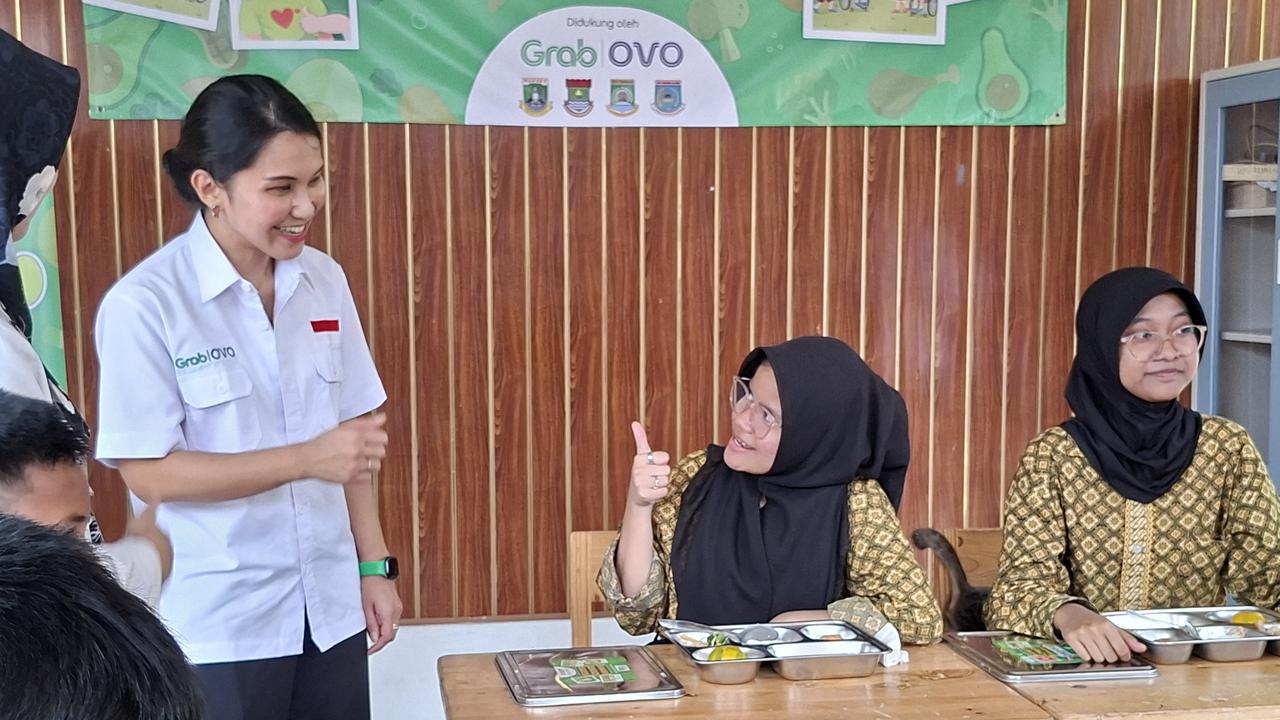
In early 2026, Grab-OVO Free Meals Program Indonesia was launched with the goal of ensuring that schoolchildren across the country receive balanced, nutritious meals necessary for healthy growth and learning. This initiative is part of a broader national commitment to address child nutrition and support educational outcomes through effective cross-sector collaboration.
The program is embedded in the Makan Bergizi Gratis (MBG) initiative, which has become a cornerstone of Indonesia’s efforts to improve access to nutritious food for students, especially those in underserved communities. MBG was originally introduced as a national policy initiative with ambitious targets spanning tens of millions of beneficiaries, and private-sector partners such as Grab and OVO now play a key role in implementing this model locally and effectively.
The Origins of the MBG Program and Public-Private Collaboration
The MBG (Makan Bergizi Gratis) program was initiated nationwide as part of Indonesia’s broader effort to eliminate malnutrition and support child development. While the national rollout aims to reach 82.9 million beneficiaries across all provinces, the partnership between Grab and OVO with schools and community stakeholders focuses on delivering measurable impact within specific regions and populations.
Collaborations like Grab-OVO Free Meals Program Indonesia represent an important public-private synergy. Grab and OVO have incorporated technology from their platforms to streamline the ordering, distribution, and monitoring of nutritious meals, thereby enhancing efficiency, food safety, and accountability. Through integrated digital systems, schools can place meal orders, and real-time tracking ensures that meals meet nutritional and hygiene standards before they reach students.
Moreover, the program engages local micro, small, and medium enterprises (UMKM) as catering partners, providing them with economic opportunities while ensuring consistent supply of healthy meals. This approach not only addresses immediate nutritional needs but also fosters economic inclusion at the community level by empowering local food providers.
How Grab-OVO Free Meals Program Indonesia Works
The structural model of the Grab-OVO Free Meals Program Indonesia incorporates several key components:
1. Technology-Enabled Distribution and Oversight
Grab and OVO leverage their digital ecosystems to manage orders and distribution seamlessly. Schools input meal requirements into the system, orders are dispatched to UMKM partners, and distribution performance is monitored through a digital command center. This oversight ensures that meals are delivered efficiently and safely, and that any lapses in service can be identified and corrected in real time.
The use of technology also supports transparency. For instance, digital dashboards help track daily delivery metrics, food safety compliance, and inventory flows. This level of visibility allows stakeholders, including school administrators and health authorities, to ensure the program adheres to both nutritional and hygiene standards.
2. Partnerships With Schools and Local Authorities
The success of MBG at the community level hinges on strong collaboration with educational institutions and government bodies. Local education offices help identify beneficiary schools, while health departments contribute guidelines on food safety and nutritional requirements. This multi-stakeholder approach ensures that the meals meet appropriate health standards and align with broader child welfare goals.
Schools participating in the program benefit from:
- Regular and predictable delivery of healthy meals
- Enhanced monitoring of nutritional quality
- Support for students’ cognitive development and concentration levels in class
3. Inclusion and Community Impact
A distinctive aspect of the program is its emphasis on inclusion. Specific MBG pilots have targeted children with special needs, ensuring that meal plans and distribution mechanisms are tailored to their nutritional requirements. These initiatives also represent a broader social commitment to equity and access within educational settings.
In some regions, local government leaders and disability advocates have publicly endorsed the initiative, highlighting how public-private cooperation can expand essential services to vulnerable groups while supporting community-level empowerment.
Benefits of the Program for Students and Communities
The Grab-OVO Free Meals Program Indonesia delivers a range of benefits that extend beyond simple nutrition:
Improved Nutrition and Learning Outcomes
Nutritious meals provide essential micronutrients and balanced diets, which are foundational for childhood growth and cognitive performance. Children who receive regular healthy meals tend to have better concentration in class, fewer absences due to illness, and stronger overall development.
Economic Support for Local Businesses
By partnering with local UMKM food providers, the program injects economic activity into small businesses, supporting livelihoods while ensuring quality food production within local markets. This symbiotic relationship helps strengthen community resilience and provides sustainable income streams for local caterers.
Capacity Building and Awareness
The integration of technology and structured oversight has increased awareness around food safety, nutritional standards, and process efficiency. Schools and UMKM partners benefit from training, quality control protocols, and ongoing evaluation support, further professionalizing food service standards at the community level.
Challenges and Considerations in Implementation
Despite its positive impacts, Grab-OVO Free Meals Program Indonesia operates within the broader context of the national MBG initiative, which has encountered varied challenges at scale. National MBG implementation has faced scrutiny over food safety standards, logistical coordination, and the need for robust monitoring mechanisms across Indonesia’s vast geography, which sometimes lacks uniform kitchen infrastructure or consistent oversight.
While private partnerships like Grab-OVO’s model offer improved digital oversight and localized execution, continuous evaluation and strong coordination with public health authorities remain essential to improve program reliability and address operational obstacles efficiently.
The Future of Nutrition and Inclusive Social Programs
Looking ahead, Grab-OVO Free Meals Program Indonesia represents a promising model for how private sector capabilities, technology platforms, and community partnerships can complement national efforts to improve child nutrition and educational outcomes.
By building structured, transparent, and inclusive food distribution systems, the program contributes to the broader goals of child health, social equity, and community empowerment. The continued collaboration between Grab, OVO, government agencies, schools, and local food providers signals a growing trend in leveraging corporate resources and digital technology to solve complex social challenges. As Indonesia continues expanding its MBG efforts nationwide, initiatives like the Grab-OVO program could serve as important templates for sustainable, scalable, and community-centered implementation.
Read More