





 Tuesday, 10-02-26








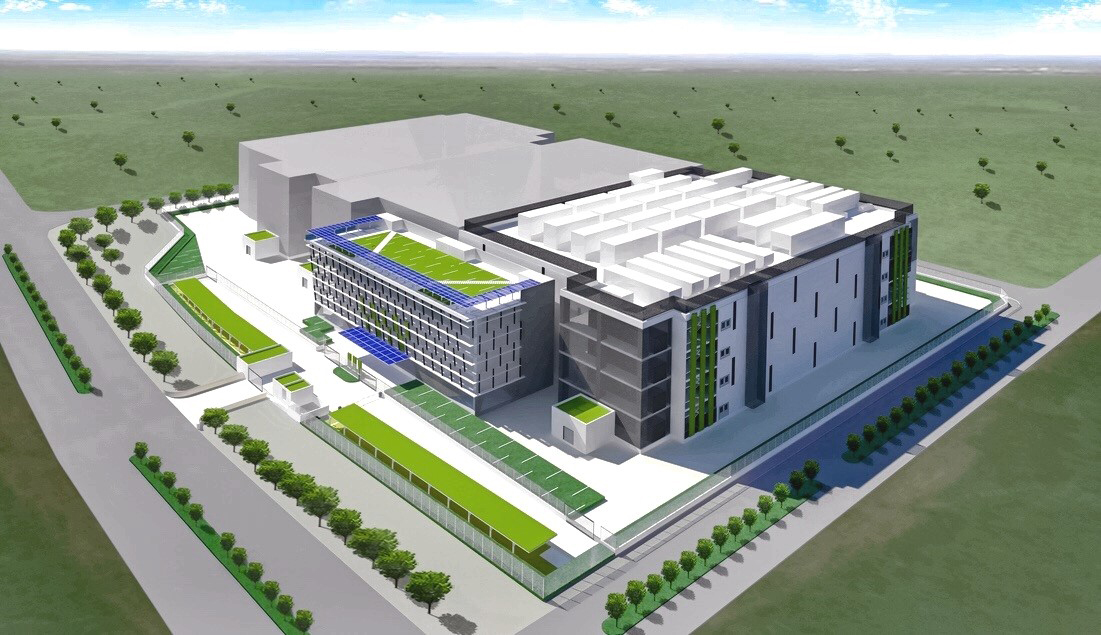
The strategic development of Microsoft Data Center Indonesia in Karawang reflects a significant milestone in the expansion of digital infrastructure in Southeast Asia’s largest economy. As global demand for cloud computing, artificial intelligence (AI) services, and digital transformation accelerates, the presence of hyperscale data center facilities like Microsoft’s is crucial to support future growth. Although the detailed reporting on the JKT09 facility was not fully accessible, multiple reliable sources confirm that Microsoft’s data center project in the greater Jakarta region, including the JKT09 site in Karawang International Industrial City (KIIC), is advancing as part of Microsoft’s broader investment in local digital infrastructure.
The mission of this development is multi-faceted: enabling local businesses and government institutions to access low-latency cloud computing, supporting compliance with data residency requirements, fostering economic growth, and promoting sustainability in digital infrastructure. This comprehensive overview outlines the context, specifications, projected benefits, challenges, and broader implications of Microsoft’s data center initiative in Indonesia.
Context: Why Microsoft Data Center Indonesia Matters
The establishment and expansion of Microsoft Data Center Indonesia underscores Indonesia’s emergence as a strategic hub for digital services in Southeast Asia. As cloud computing becomes foundational across industries — from finance and e-commerce to government services and advanced AI applications — localized infrastructure becomes a competitive necessity rather than a luxury.
Microsoft’s commitment to the region has been visible for years. The company initiated its “Berdayakan Ekonomi Digital Indonesia” initiative in 2021, committing to build its first datacenter region in Indonesia. This initiative was explicitly aimed at strengthening Indonesia’s digital economy by delivering local cloud services with world-class security, compliance, and scalability.
By mid-2025, Microsoft officially made its Indonesia Central cloud region generally available, establishing multiple availability zones designed to provide independent power, cooling, and network connectivity for high uptime and resilience. Within this broader rollout, the JKT09 facility in Karawang represents one of Microsoft’s physical data center campuses that will serve as part of the Indonesia Central cloud region. According to data center maps, JKT09 is actively under construction and will play a role in expanding Microsoft’s footprint in the Jakarta metropolitan area.
The Technical Vision and Design of JKT09
While specific technical details of the JKT09 facility are not fully released, standard practices for major hyperscale data center builds offer a clear picture of what stakeholders can expect from Microsoft Data Center Indonesia:
- Strategic Location: The JKT09 site is located in Karawang International Industrial City (KIIC), West Java, a region attractive to hyperscale infrastructure due to available land, industrial ecosystem support, and proximity to major metropolitan areas like Jakarta.
- High Availability Zones: As part of the broader Indonesia Central cloud region, facilities like JKT09 are likely designed to support Azure’s availability zone architecture. Availability zones feature independent power, cooling, and network systems to ensure robust uptime and disaster tolerance for customer workloads.
- Scalable Capacity: Hyperscale designs typically allow modular expansion. This means Microsoft can scale power and compute capacity to meet surging demand from local enterprises and global customers alike.
- Security and Compliance: Enterprise-grade physical and network security is standard at Microsoft data centers, ensuring compliance with strict regulatory requirements and international best practices.
Additionally, infrastructure projects of this scale often integrate redundant systems and advanced environmental controls to maintain operational resiliency and energy efficiency at all times.
Sustainability and Renewable Energy Integration
A defining aspect of Microsoft’s global data center strategy, including in Indonesia, is sustainability. The company has pledged ambitious environmental commitments such as becoming carbon negative, water positive, and zero waste by 2030. To support these goals, Microsoft has partnered with local utilities and renewable energy providers to source green power.
For example, Microsoft is reportedly collaborating with PLN (Indonesia’s state electricity provider) to integrate 200 megawatts (MW) of solar energy into its data center operations over a decade. This partnership aligns with both local energy policy priorities and Microsoft’s global climate ambitions. The JKT09 and related facilities are expected to benefit from similar clean energy sourcing strategies, reducing their carbon footprint and contributing to national sustainability objectives. Furthermore, the use of energy-efficient building materials, low-carbon concrete alternatives, and advanced cooling technologies underpin the environmental design of these facilities. These investments not only reduce operational emissions but also help set new standards for responsible data center construction in Southeast Asia.
Economic and Workforce Impact of Microsoft Data Center Indonesia
The economic footprint of Microsoft’s data center investments in Indonesia is substantial. Figures tied to the broader cloud region launch include investments totaling approximately USD 1.7 billion for cloud and AI infrastructure from 2024 to 2028, a capital injection expected to generate significant value for the economy and create tens of thousands of jobs across construction and operations.
Data centers like JKT09 act as magnets for local employment — from construction workers and engineers to operational technicians and support staff. Beyond direct jobs, there are few sectors that provide such widespread economic spillovers, including vendor partnerships, logistics, professional services, and secondary supply chain opportunities.
In addition, Microsoft has incorporated community engagement and skills development into its data center strategy. Initiatives like the Nusantara Data Center Academy and partnerships with educational institutions aim to elevate local talent proficiency in cloud computing and digital technologies, helping Indonesian professionals compete in a rapidly evolving global job market.
Broader Implications for Indonesia’s Digital Future
The presence of Microsoft Data Center Indonesia development, particularly facilities like JKT09 in Karawang, positions the country as a key digital hub in the Asia Pacific region. As more enterprises adopt cloud, artificial intelligence, and digital services, local data centers provide strategic advantages:
- Reduced Latency: Applications hosted in local cloud regions experience faster responsiveness, improving user experience for customers and enterprises alike.
- Data Sovereignty: Hosting data within national borders helps companies comply with regulations that require sensitive information to stay within the country.
- Digital Resilience: By diversifying infrastructure and enabling redundancy, localized facilities help bolster national digital resilience against outages and global disruptions.
The broader development of digital infrastructure also aligns with Indonesia’s strategic goals for digital transformation, economic diversification, and innovation-led growth. Strengthening technological foundations like cloud and AI services supports initiatives such as smart cities, digital governance, fintech expansion, and Industry 4.0 adoption.
Challenges and Outlook for Microsoft Data Center Indonesia
Despite the positive trajectory, projects of this scale are not without challenges. Hyperscale data center construction demands robust power supply, skilled labor, secure supply chains, and compliant regulatory environments. Ensuring consistent access to renewable energy and balancing environmental considerations with operational needs remain top priorities.
Furthermore, competition from other global cloud providers, including AWS and Google Cloud, means that Microsoft must continue to innovate in service offerings and infrastructure development to maintain a competitive edge in the Indonesian market. Nevertheless, with the continued rollout of cloud services, integration of sustainable practices, and focus on human capital development, Microsoft Data Center Indonesia is poised to be a cornerstone of Indonesia’s digital economy over the next decade.
Read More