





 Monday, 14-09-26








Indonesia’s commitment to climate action and sustainable development entered a new phase after energy transition investment Indonesia reached a historic high of Rp38,410 trillion in the previous year. This record level of capital inflow reflects growing confidence among domestic and international investors in the country’s long term clean energy transition. More importantly, it signals a structural shift in how Indonesia finances its economic growth, moving gradually away from fossil fuel dependency toward renewable and low carbon energy systems.
The surge in energy transition investment Indonesia comes amid mounting global pressure to accelerate decarbonization while maintaining economic resilience. For Indonesia, Southeast Asia’s largest economy and one of the world’s major energy consumers, this momentum represents both opportunity and responsibility.
Drivers Behind the Surge in Energy Transition Investment
Several structural and policy factors contributed to the rapid increase in energy transition investment Indonesia. One of the most significant drivers is the government’s continued effort to align national development goals with climate commitments. Indonesia has pledged to reach net zero emissions by 2060, a target that requires massive capital deployment across renewable energy, grid infrastructure, energy efficiency, and low carbon technologies.
Clearer regulatory frameworks have also improved investor confidence. Over the past few years, Indonesia has introduced policies aimed at de risking renewable energy projects, improving procurement mechanisms, and expanding public private partnerships. These reforms have gradually reduced uncertainty that previously slowed capital inflows into clean energy sectors.
In parallel, global capital markets are increasingly prioritizing sustainability aligned investments. International development banks, climate funds, and institutional investors are actively seeking exposure to emerging markets with scalable energy transition potential. Indonesia’s abundant solar, geothermal, hydro, and biomass resources make it a strategic destination for such capital, reinforcing the upward trend in energy transition investment Indonesia.
Sectoral Breakdown of Energy Transition Investment
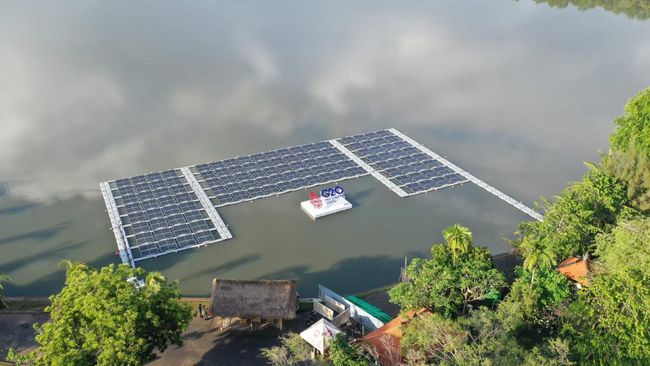
The record Rp38,410 trillion in energy transition investment Indonesia was distributed across multiple strategic sectors. Renewable power generation remains the dominant destination, particularly solar and geothermal projects. Utility scale solar installations and rooftop solar adoption by businesses have both attracted growing investor interest, supported by declining technology costs and expanding demand for clean electricity.
Geothermal energy continues to play a crucial role due to Indonesia’s vast volcanic resources. Investment in geothermal exploration and development reflects confidence in baseload renewable power as a complement to intermittent sources such as solar and wind.
Beyond generation, grid modernization and energy storage have emerged as critical investment areas. As renewable penetration increases, grid flexibility and reliability become essential. Investments in transmission upgrades, smart grid systems, and battery storage signal a maturing approach to the energy transition, one that goes beyond capacity expansion toward system resilience.
Energy efficiency and electrification initiatives also captured a share of energy transition investment Indonesia. Industrial efficiency upgrades, electric vehicle infrastructure, and clean mobility projects contribute to emissions reduction while supporting productivity gains across the economy.
Macroeconomic Impact and Growth Implications
The rise in energy transition investment Indonesia carries significant macroeconomic implications. Clean energy projects tend to be capital intensive during development but generate long term economic value through job creation, technology transfer, and reduced energy import dependence. These investments support domestic manufacturing, engineering services, and local supply chains, creating multiplier effects across regions.
From a fiscal perspective, increased private investment in clean energy helps reduce the burden on public budgets. By mobilizing private capital, the government can allocate resources more efficiently while still advancing national climate objectives. This approach strengthens Indonesia’s investment climate and reinforces its credibility as a destination for sustainable finance.
Energy transition investment Indonesia also contributes to long term energy security. Diversifying the energy mix reduces exposure to volatile fossil fuel prices and enhances resilience against external shocks. This stability is particularly valuable in an era of geopolitical uncertainty and global energy market disruption.
Challenges Limiting Faster Capital Deployment
Despite record investment levels, energy transition investment Indonesia still falls short of what is required to meet long term climate and development targets. Estimates suggest Indonesia needs several times the current annual investment to remain on track for its net zero ambitions.
Key challenges remain, including regulatory complexity at the regional level, land acquisition issues, and lengthy permitting processes. These barriers can delay project execution and increase costs, dampening investor enthusiasm despite strong underlying interest.
Financing risk also persists, particularly for early stage renewable projects and emerging technologies. While large scale projects benefit from established financing models, smaller developers and innovative solutions often struggle to secure affordable capital. Addressing this gap requires blended finance mechanisms, credit guarantees, and stronger collaboration between public institutions and private investors.
Grid constraints present another bottleneck. Without sufficient transmission capacity and interconnection, renewable energy projects risk curtailment. Aligning energy transition investment Indonesia with infrastructure planning is therefore essential to maximize impact.
Role of International Partnerships and Climate Finance
International cooperation plays a central role in sustaining momentum for energy transition investment Indonesia. Multilateral development banks, bilateral partners, and climate finance platforms provide concessional funding, technical assistance, and risk mitigation instruments that unlock larger pools of private capital.
Indonesia’s participation in global climate finance initiatives reflects growing recognition that the energy transition requires collective action. These partnerships help align national policies with international best practices while ensuring that economic development and social inclusion remain central to the transition process.
Private sector engagement is also evolving. Corporations are increasingly committing to renewable energy procurement and emissions reduction targets, driving demand for clean energy projects. This corporate demand reinforces investor confidence and strengthens the investment ecosystem supporting energy transition investment Indonesia.
Social and Environmental Co Benefits
Beyond economic metrics, rising energy transition investment Indonesia delivers important social and environmental benefits. Cleaner energy systems reduce air pollution, improve public health outcomes, and lower healthcare costs. Communities located near renewable energy projects often benefit from infrastructure improvements, local employment, and skills development.
In rural and remote areas, renewable energy investment can expand electricity access and support inclusive development. Off grid and hybrid energy solutions enhance resilience while reducing reliance on diesel generation, which is costly and environmentally damaging.
Environmental benefits extend to reduced greenhouse gas emissions and improved ecosystem protection, reinforcing Indonesia’s role in global climate mitigation efforts.
Outlook for Energy Transition Investment
Looking ahead, the outlook for energy transition investment Indonesia remains cautiously optimistic. The record Rp38,410 trillion achieved last year demonstrates strong momentum, but sustaining and scaling this investment will require continued policy consistency, regulatory reform, and infrastructure readiness.
Accelerating project pipelines, improving bankability, and enhancing grid capacity will be critical to maintaining investor confidence. Equally important is ensuring that the energy transition supports social equity and regional development, avoiding concentration of benefits in limited areas.
As global capital increasingly favors sustainable assets, Indonesia is well positioned to attract further investment if it continues to strengthen governance, transparency, and long term planning. Energy transition investment Indonesia is no longer a niche segment but a central pillar of the country’s economic transformation.
Conclusion
The record surge in energy transition investment Indonesia marks a turning point in the nation’s clean energy journey. It reflects growing alignment between climate ambition, economic strategy, and investor confidence. While challenges remain, the scale and direction of recent investment signal that Indonesia is moving toward a more resilient, sustainable, and competitive energy future.
Read More