





 Thursday, 04-06-26








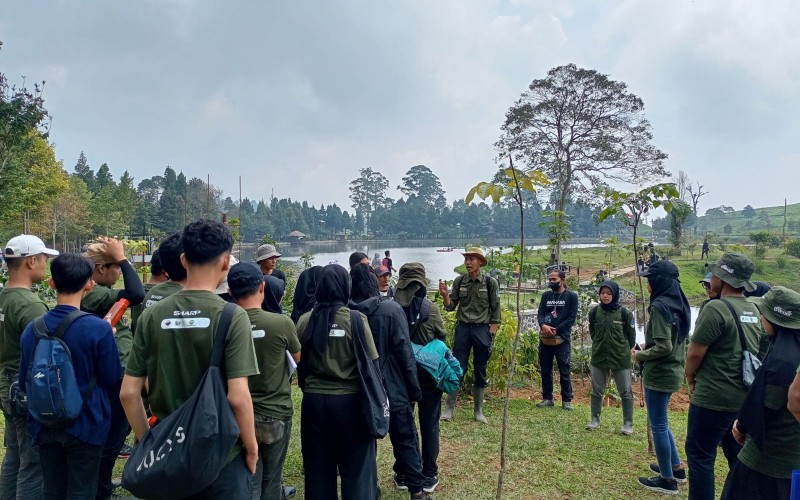
A growing number of young people now view environmental degradation as a direct threat to national resilience. According to a recent survey cited by Bisnis Indonesia, Generation Z increasingly believes that ecological damage undermines a country’s long term security, economic stability, and social cohesion. This shift in perception marks an important evolution in how national threats are defined, particularly among younger demographics who will shape future policy and governance.
The Gen Z environmental security threat perspective reflects rising awareness that climate change, deforestation, pollution, and biodiversity loss are no longer abstract environmental issues. Instead, they are increasingly seen as structural risks capable of destabilizing food systems, triggering resource conflicts, worsening inequality, and weakening state capacity. This mindset challenges traditional security frameworks that have historically focused on military strength, political stability, and economic growth alone.
In Indonesia, a country highly exposed to climate risks, this generational concern carries significant implications. From coastal erosion and flooding to forest fires and water scarcity, environmental stressors are already influencing economic productivity and public welfare. Gen Z’s perspective suggests that environmental protection is not merely a moral obligation, but a strategic necessity for national survival.
Survey Insights On Gen Z And Environmental Risk Awareness
The survey referenced by Bisnis Indonesia reveals that a majority of Gen Z respondents identify environmental damage as one of the most serious threats to national resilience. This concern often ranks alongside, or even above, traditional security risks such as geopolitical conflict, economic instability, and social unrest. Several factors help explain why the Gen Z environmental security threat narrative resonates so strongly with this generation. First, Gen Z has grown up amid frequent climate related disasters, ranging from extreme weather events to worsening air and water quality. These experiences make environmental risk tangible rather than theoretical.
Second, digital media exposure has amplified access to global information about climate crises, biodiversity collapse, and environmental injustice. Unlike previous generations, Gen Z consumes real time updates, scientific data, and activist discourse that frame environmental degradation as a systemic failure with far reaching consequences. Third, economic anxiety plays a role. Many young people associate environmental damage with declining job prospects, rising living costs, food insecurity, and weakened economic resilience. From disrupted agricultural supply chains to climate related infrastructure damage, environmental instability directly affects long term livelihood security. As a result, the survey findings suggest that Gen Z increasingly evaluates government performance through an environmental lens. Environmental governance is no longer viewed as a niche policy area, but as a core determinant of national strength and future competitiveness.
Environmental Damage As A Multidimensional Security Risk
One reason the Gen Z environmental security threat concept is gaining traction is the growing recognition that environmental damage triggers cascading risks across multiple sectors. Environmental degradation does not occur in isolation. Instead, it interacts with economic, social, and political systems in ways that compound vulnerability. Food security is one of the most immediate concerns. Climate change and ecosystem degradation reduce agricultural productivity, disrupt fisheries, and increase dependence on food imports. For countries like Indonesia, where millions depend on agriculture and marine resources, environmental stress can directly undermine domestic food supply and price stability. Water security represents another critical dimension. Pollution, deforestation, and climate driven rainfall variability threaten freshwater availability. Water scarcity increases the risk of public health crises, urban unrest, and regional inequality, all of which weaken national resilience.
Energy security is also affected. Extreme weather events can disrupt energy infrastructure, while reliance on fossil fuels exacerbates climate risks. Gen Z respondents increasingly connect environmental sustainability with the need for a resilient and diversified energy system. Finally, environmental damage affects social cohesion. Communities exposed to environmental disasters often face displacement, loss of income, and declining quality of life. Without effective mitigation and adaptation policies, these pressures can fuel social tension and erode trust in institutions. Through this lens, Gen Z’s concern reflects a broader understanding of security as a holistic concept encompassing ecological, economic, and social stability.
Implications For Policy And Governance
The rise of the Gen Z environmental security threat narrative carries important implications for policymakers, businesses, and institutions. As Gen Z becomes a larger share of the electorate and workforce, their expectations will increasingly shape political priorities and corporate strategies. For governments, this shift signals the need to integrate environmental risk into national security planning. Climate adaptation, disaster preparedness, sustainable land use, and environmental law enforcement are no longer peripheral issues. They are central to maintaining state capacity and public trust. Environmental policy must also be linked more clearly to economic development strategies. Investments in renewable energy, sustainable agriculture, and green infrastructure are not only climate solutions but also tools for job creation and economic resilience. Gen Z respondents tend to favor policies that align environmental protection with inclusive growth rather than trade offs between economy and ecology.
Transparency and accountability are equally important. Young people increasingly scrutinize corporate and government commitments to sustainability, demanding measurable outcomes rather than symbolic pledges. Failure to address environmental risks credibly may erode institutional legitimacy among younger generations. For businesses, the findings suggest that environmental responsibility is becoming a core factor in long term market relevance. Companies perceived as contributing to environmental damage risk losing consumer trust, talent attraction, and social license to operate, especially as Gen Z’s purchasing power grows.
Indonesia’s Environmental Challenges Through A Gen Z Lens
Indonesia occupies a unique position in the Gen Z environmental security threat discussion due to its ecological significance and vulnerability. As one of the world’s most biodiverse countries, Indonesia plays a critical role in global environmental stability. At the same time, it faces acute environmental challenges that directly affect national resilience.
Deforestation remains a key concern, with implications for climate emissions, water regulation, and indigenous livelihoods. Forest fires and haze events have repeatedly demonstrated how environmental degradation can disrupt public health, transportation, and regional relations.
Coastal erosion and sea level rise threaten densely populated coastal areas and economic hubs. For Gen Z, these risks are not distant future scenarios but visible realities that shape their sense of national vulnerability. Urban environmental challenges also feature prominently. Air pollution, waste management issues, and water contamination affect quality of life in major cities, reinforcing the perception that environmental governance is directly linked to social stability. From this perspective, Gen Z’s concern reflects lived experience rather than abstract ideology. Their framing of environmental damage as a national security threat emerges from observing how ecological stress already strains public systems and economic resilience.
The Long Term Significance Of Gen Z Environmental Awareness
The growing prominence of the Gen Z environmental security threat narrative suggests a long term shift in how societies conceptualize risk and resilience. As this generation moves into leadership roles, environmental considerations are likely to become more deeply embedded in strategic decision making across sectors. This shift may redefine success metrics for governments and corporations alike. Economic growth alone may no longer suffice as a measure of national strength if it comes at the expense of environmental stability. Instead, resilience, sustainability, and adaptability could become central benchmarks of progress.
Education and public discourse will also play a critical role. Strengthening environmental literacy and connecting ecological issues to everyday economic and social outcomes can help bridge generational gaps in understanding security priorities. Ultimately, Gen Z’s perspective highlights a simple but powerful insight: a nation cannot be resilient if its natural foundations are eroding. Environmental protection, in this view, is not an optional policy choice but a prerequisite for long term national stability.
The survey highlighted by Bisnis Indonesia underscores a significant generational shift in how national threats are perceived. For many young people today, the Gen Z environmental security threat is as urgent as traditional military or economic risks. This perspective reflects lived experience, heightened awareness, and a broader understanding of how environmental damage undermines social and economic systems. As Gen Z continues to influence public discourse and policy direction, governments and institutions that fail to address environmental risks holistically may find themselves out of step with future expectations. The challenge ahead lies in translating this awareness into effective, inclusive, and forward looking strategies that strengthen both environmental sustainability and national resilience.
Read More