





 Tuesday, 20-10-26








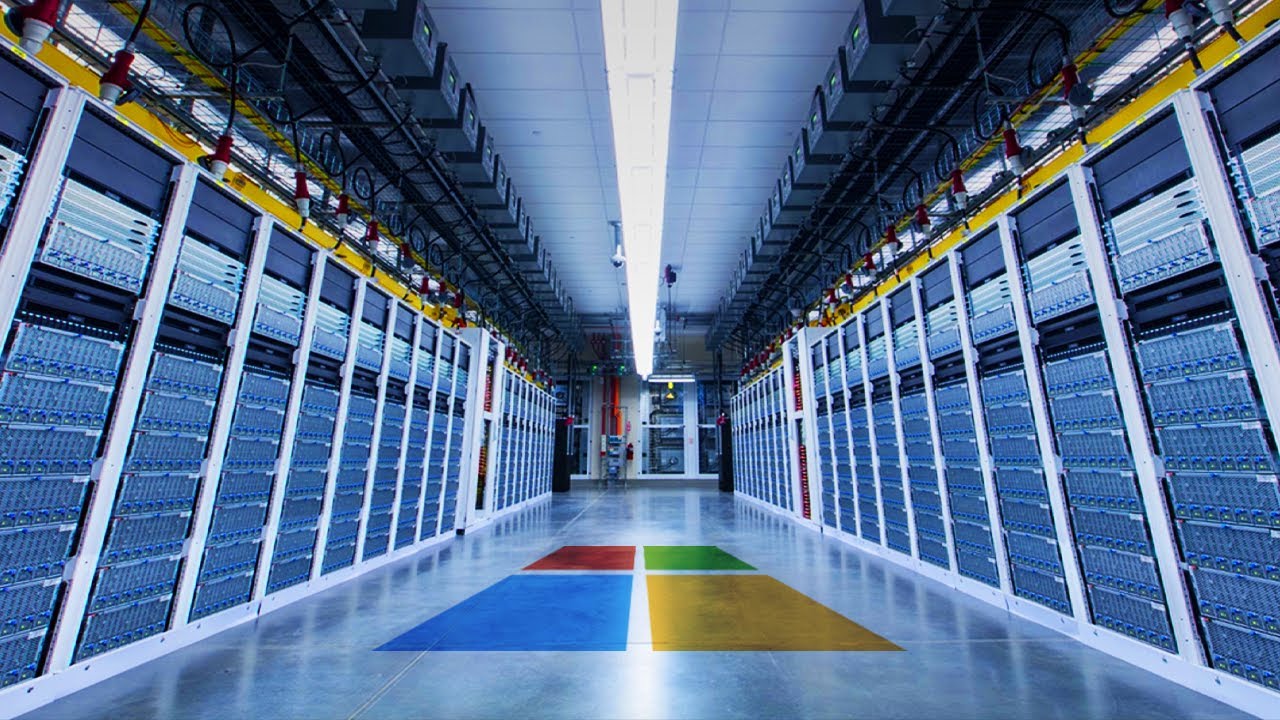
As concerns about the environmental and economic impacts of artificial intelligence infrastructure grow across the United States and other countries, Microsoft has unveiled a major initiative aimed at addressing one of the most contentious issues associated with AI data center buildouts: rising residential electricity bills. In a public announcement on January 13-14, 2026, Microsoft outlined its Microsoft AI data centers electricity pledge as part of a broader “Community-First AI Infrastructure” model designed to prevent local residents from shouldering increased utility costs due to data center operations.
This comprehensive article explains the context, specifics, and broader implications of Microsoft’s pledge, why it matters for communities and the industry, and how it fits within ongoing debates about AI infrastructure and sustainability.
The Challenge of AI Data Centers and Electricity Demand
AI data centers, facilities that house computing hardware, storage systems, and networking infrastructure to train and serve advanced AI models, have become central to the growth of artificial intelligence. These facilities require massive amounts of electricity to power servers and cooling systems around the clock. According to industry analysts, the electricity demand from AI and related data centers could grow significantly in the coming decade as AI workloads expand.
The high energy consumption of data centers has generated pushback from local communities concerned about increased electricity prices, grid strain, and environmental impact. In some areas, activists and residents have argued that the increased demand for power could contribute to higher electricity rates or burden local infrastructure, posing financial strain on households and small businesses.
Historically, many data center operators have benefited from tax incentives, land use agreements, and fuel subsidies, which critics claim shift the true cost of infrastructure buildouts onto utilities and taxpayers. In this context, Microsoft’s announcement represents a significant shift toward corporate accountability, as the company explicitly commits to ensuring that its data centers do not result in higher utility bills for local residents.
What Microsoft’s Electricity Pledge Entails
Microsoft’s Microsoft AI data centers electricity pledge is part of a five-point plan that encompasses multiple commitments to local communities where data center projects are located or proposed. At its core, the electricity pledge focuses on preventing electricity cost pass-through to residential customers.
Preventing Electricity Cost Pass-Through
Microsoft has committed to working with local utility companies and public utility commissions to ensure that the rates it pays for electricity fully reflect the cost of powering and supporting its data centers. This includes both the direct power consumption and the cost of necessary grid upgrades and transmission enhancements. The aim is clear: ensure that communities hosting AI data centers do not see their electricity bills rise as a result of these facilities.
Under this pledge, Microsoft will:
- Ask utilities to set rates that cover the full cost of electricity consumed by its data centers.
- Collaborate early and transparently with utilities on grid expansion, transmission, and infrastructure buildouts required by data centers.
- Pay higher utility rates if necessary to internalize the cost of energy use rather than relying on standard residential electricity pricing.
These commitments aim to create a model where AI infrastructure supports economic growth without harming community affordability or placing undue stress on local energy systems.
Water, Jobs, and Local Investment
Although the electricity pledge is the most prominent component, Microsoft’s community-first initiative includes additional commitments that reinforce the broader vision of corporate responsibility and community benefit.
- Water Stewardship: The company has pledged to minimize water usage in its data centers and to replenish more water than it consumes, especially in water-stressed regions.
- Job Creation: Microsoft has announced plans to invest in workforce training and local hiring programs related to data center construction and operations, fostering local employment.
- No Tax Break Sought: The pledge includes a commitment to pay full local property taxes without seeking special exemptions or incentives, ensuring that local public services benefit directly from data center presence.
- Community Investment: Beyond operational commitments, the company plans to invest in local AI education initiatives, libraries, and nonprofit organizations, positioning AI infrastructure as a positive force in community development.
Together, these elements of Microsoft’s plan portray a multifaceted approach that seeks to balance AI industry growth with community well-being.
Industry Reaction and Broader Implications
The Microsoft AI data centers electricity pledge arrives amid heightened scrutiny of the environmental and social impacts of data center expansion. Public concern has led to the cancellation or delay of multiple projects in states such as Wisconsin and Michigan, where residents raised alarms about electricity load, water consumption, and quality of life.
Political leaders, including U.S. President Donald Trump, have emphasized the importance of ensuring that AI infrastructure does not impose undue costs on local residents. Trump’s administration has encouraged technology companies to “pay their own way” and not shift electricity cost burdens onto consumers, framing the issue within broader affordability and infrastructure debates.
Industry observers note that Microsoft’s pledge might set a precedent for how other technology giants approach data center expansion. If successful, this model of community-first infrastructure could shape future negotiations between tech companies and municipalities, altering long-standing dynamics in which utilities and taxpayers shoulder portions of infrastructure cost.
Balancing Growth and Community Trust
Data centers will continue to be critical to the growth of AI technologies. They provide the computing power necessary to train machine learning models, support cloud services, and underpin digital transformation across sectors.
However, the sustainability of this growth depends not just on technological innovation, but on how infrastructure development aligns with community values and resource capacity. Microsoft’s Microsoft AI data centers electricity pledge represents an attempt to reconcile these often competing priorities by embedding community benefits into its expansion strategy.
For residents living near future AI data centers, the pledge offers reassurance that their utility bills and local ecology will not become unintended casualties of the digital revolution. For policymakers and industry leaders, it presents a potential roadmap for more responsible infrastructure deployment in an era defined by rapid AI adoption.
As artificial intelligence continues to shape economies and societies, the infrastructure that supports it must evolve responsibly. Microsoft’s Microsoft AI data centers electricity pledge is a significant step in that direction, committing to absorb energy costs and protect local residents from bearing the burden of rapid AI data center expansion.
This initiative combines energy cost management, environmental stewardship, job creation, and local investment as part of a community-first approach. While its long-term impact will depend on execution and collaboration with local stakeholders, the pledge represents a meaningful shift toward a more equitable model of AI infrastructure deployment that respects both technological progress and community well-being.
Read More