





 Wednesday, 03-06-26








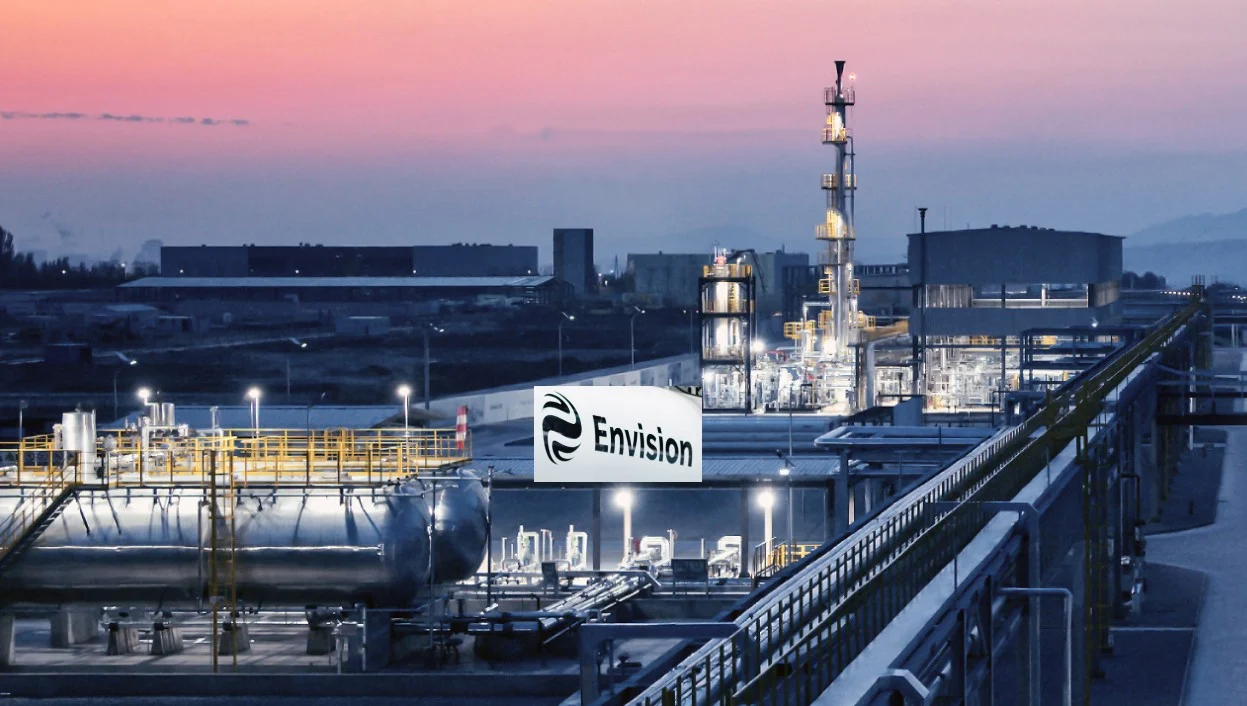
In recent years, the concept of “green molecules”, hydrogen and its derivatives such as ammonia, has moved from energy transition theory to global industrial strategy. Among the leading developments is China’s commissioning of what the country claims is the world’s largest AI-driven, off-grid green hydrogen and ammonia production facility in Chifeng, Inner Mongolia. This facility, part of the Chifeng Net Zero Industrial Park, is pioneering a renewable-only energy model that leverages artificial intelligence to balance intermittent wind and solar power with complex industrial chemistry at unprecedented scales. Its operational success reflects not only a technical milestone in decarbonization but also a strategic shift in how heavy industry may be powered in a carbon-constrained world.
This article explores how this landmark project works, the economic and carbon advantages it promises, the role of AI and automation in optimizing production, barriers to replication outside China, and what it means for competing clean hydrogen hubs in Europe, Japan and the Gulf.
China’s First Commercial-Scale Off-Grid Green Ammonia Facility
At the heart of this venture is Envision Energy’s green hydrogen and ammonia plant, fully operational as of 2025. The plant produces approximately 320,000 tonnes of green ammonia per year, with exports scheduled to begin in the fourth quarter of 2025 under long-term agreements, including one with Japan’s Marubeni Corporation.
What makes this project notable is its off-grid, renewable-only energy system. Unlike most industrial facilities that depend on national grids, often powered by fossil fuels, the Chifeng plant uses a dedicated renewable energy network combining wind and solar farms, grid-forming batteries, and advanced predictive AI to balance power generation and load demand dynamically. By storing surplus renewable electricity as liquid nitrogen, the plant cushions intermittent generation and ensures the electrolyzers and ammonia synthesis reactors receive stable energy input. The result: a genuinely zero-carbon production process with no fossil fuel input across the energy chain.
This AI-driven optimization is essential because variable renewables, wind and solar, fluctuate in output. Traditional grid-linked energy systems require balancing mechanisms that often rely on fossil backup or grid imports. By contrast, the Chifeng system predicts weather patterns and production demand in real time, adjusting consumption and storage to maintain continuous operation.
Decarbonization Meets Industrial Scale
Ammonia, a compound of hydrogen and nitrogen, is not just a fertilizer feedstock; it also serves as a hydrogen carrier and long-duration energy storage medium, particularly relevant for hard-to-decarbonize sectors like shipping, steelmaking, and chemical manufacturing. Its high hydrogen density and liquidity at moderate conditions make it easier to transport over long distances than gaseous hydrogen.
China’s strategic focus on green ammonia reflects both environmental necessity, reducing emissions from heavy industry, and industrial ambition, capturing early leadership in the emerging clean fuels market. Officials and industry executives alike see projects like Chifeng as foundational to China’s broader hydrogen economy, which Beijing considers a pillar of its long-term decarbonization and energy security strategy. By 2028, the Chifeng facility is planned to expand capacity to approximately 1.5 million tonnes annually, more than four times current output. If achieved, this would make it one of the largest green ammonia producers globally and an export hub for clean industrial feedstocks, significantly influencing supply chains for green chemicals and fuels.
AI Optimization and Cost Reduction: A New Industrial Model
The integration of AI in renewable-powered industrial plants is not merely a technical embellishment, it’s a cost and carbon reduction strategy. Traditional renewable projects paired with electrolyzers face two major challenges:
- Intermittency of renewables, which leads to under-utilized electrolyzer capacity or expensive storage solutions.
- High energy costs when drawing from grids with mixed generation sources.
At Chifeng, AI systems forecast short-term weather patterns, optimize battery dispatch, and adjust electrolyzer operation to flatten production dips and peaks. This dynamic load balancing improves efficiency and utilization rates of both renewable generation and chemical synthesis equipment. In practical terms, controlling energy use and storage dynamically can save millions of dollars annually on energy costs, especially given that dedicated renewables, unburdened by grid charges, can deliver electricity at prices reported to be significantly lower than conventional grid rates for industrial users. For example, localized renewable power used in Envision’s plant costs roughly 0.2 yuan (about $0.03 USD) per kilowatt-hour, reportedly nearly 60 percent cheaper than local grid rates.
These savings are critical because the cost of green hydrogen, the feedstock for ammonia, largely determines the economics of green ammonia. Industry studies show that green hydrogen economics improve significantly when electricity costs are low and stable, suggesting that scaling renewable energy supply and coupling it with flexible optimization tools are vital for competitiveness versus traditional grey ammonia. By 2028, Envision targets price parity with fossil-based ammonia, a milestone that could disrupt commodity markets traditionally dominated by coal or natural gas-derived ammonia.
Replicability Outside China: Barriers and Opportunities
The success of China’s Chifeng project naturally raises the question: Can this model be replicated globally?
1. Renewable Resource Availability
China’s Inner Mongolia boasts rich wind and solar resources, facilitating high capacity factors for renewables. Not every region can match these conditions, which directly affect capacity utilization and cost economics.
2. AI and Tech Integration
Effective AI optimization requires advanced data infrastructure and predictive models tailored to specific sites. While the technology exists, integrating real-time sensors, forecasting models, and industrial control systems at the necessary scale remains a barrier in many emerging markets.
3. Capital and Policy Support
Infrastructure investments for off-grid renewable systems, storage, electrolyzers, and synthesis plants require significant upfront capital. Policy frameworks, from subsidies and tax incentives to carbon pricing, differ widely across nations, influencing investor confidence and project viability. Regions like the European Union and Japan have ambitious green hydrogen strategies and regulatory frameworks, but their projects are often smaller in scale and more dependent on grid power and fossil backup, until storage and optimization technologies mature further.
4. Certification and Market Standards
International certification, such as ISCC PLUS for verified greenhouse gas footprint, is essential for global trade, ensuring buyers of green ammonia can credibly claim low emissions. While Chifeng has secured such certifications, replicating these procedures adds complexity for new entrants. Despite these barriers, co-investment models and cross-border technology partnerships, like Envision’s collaborations with European and Japanese firms, can facilitate knowledge transfer and local manufacturing, enabling broader adoption of similar systems.
Implications for Global Clean Fuel Hubs
China’s Chifeng project does not exist in a vacuum. It should be understood within the broader landscape of global energy transition efforts. In Europe, green ammonia initiatives are part of broader decarbonization strategies but remain smaller in scale and often tied to grid-linked renewable portfolios. By contrast, China’s off-grid approach illustrates one path to de-risking projects from grid limitations, albeit contingent on local renewable potential and techno-economic optimization.
In Japan, corporate offtake agreements and trading houses are investing in clean ammonia and hydrogen supply chains, signaling growing commercial demand. Long-term contracts provide revenue certainty, which is essential for scaling production. The Gulf region and Australia also pursue green hydrogen and ammonia exports, leveraging abundant solar and wind potentials. Each region, however, faces unique regulatory environments and infrastructure constraints. China’s model adds a valuable data point: large-scale, autonomous renewable systems paired with AI can help bridge intermittency and cost challenges, potentially influencing project designs globally.
China’s AI-driven, off-grid green ammonia plant in Chifeng represents more than a technological showcase, it points to a new industrial paradigm where heavy industry can be powered independently of conventional energy grids, with minimal carbon emissions and maximized operational efficiency.
For business leaders, policymakers, and investors, the project underscores several strategic insights:
- Renewable energy systems can be designed for industrial use, not just grid support.
- AI optimization is increasingly central to managing renewable intermittency and reducing operating costs.
- Global competition in clean fuels will focus on scale, certification, and global trade pathways.
As the Chifeng facility scales toward its 1.5 million-ton target by 2028 and export volumes rise, it will test whether this model can truly redefine industrial energy economics, potentially ushering in a new era of clean industrial fuels and reconfiguring global commodity markets long dominated by fossil fuels.
Read More