





 Thursday, 04-06-26








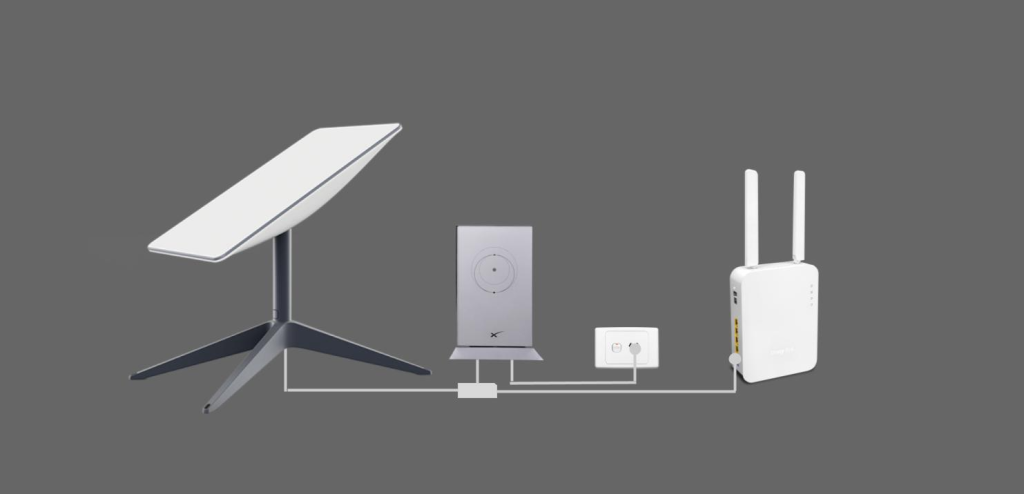
In January 2026, the United States Federal Communications Commission (FCC) approved a major expansion of SpaceX’s Starlink Gen2 satellite constellation, authorizing the launch and operation of an additional 7,500 second-generation satellites. This decision pushes the total authorized number of Starlink Gen2 satellites to 15,000 and marks a pivotal moment in global satellite internet infrastructure and mobile connectivity beyond terrestrial towers. This strategic move, led by SpaceX and championed by its CEO Elon Musk, could usher in a new era where ordinary mobile phones connect directly to satellites, reducing dependence on traditional cell towers and dramatically improving connectivity in remote or underserved regions.
The FCC’s authorization reflects growing priorities in global telecommunications: expanding broadband access, integrating satellite networks with mobile ecosystems, and addressing digital divides in rural, maritime, and disaster-prone areas. Over the following sections, this article explores the context, technological potential, regulatory implications, and broader socio-economic effects of the Starlink Gen2 satellite expansion.
What the FCC Approval Means for Starlink and Satellite Broadband
The core of the recent development is the FCC’s decision to allow SpaceX to deploy 7,500 more Starlink Gen2 satellites, doubling the previously authorized portion of the second-generation constellation. These new satellites will operate across multiple frequency bands and enable advanced capabilities, including both fixed broadband services and direct-to-cell connectivity that aims to function like a space-based mobile network.
Previously, SpaceX had requested approval for nearly 30,000 satellites, but the regulator has incrementally green-lit portions of that request due to concerns about orbital debris and the untested nature of some technologies. While the authorization is substantial, the FCC has deferred action on an even larger fleet for future consideration. The agency also put conditions on the rollout, requiring that half of the approved satellites be launched and operational by late 2028, and the remainder by the end of 2031. Under this expanded authorization, the constellation will operate at varying orbital altitudes, optimized for both coverage and space safety. This includes plans by SpaceX to lower a portion of its existing satellites to reduce collision risks in crowded low-Earth orbit. The newly authorized satellites also support operation across five different frequency bands, which helps increase capacity and enables more robust service offerings globally.
Technology Behind Starlink Gen2 and Direct-to-Cell Connectivity
Starlink’s second-generation satellites are designed to provide higher throughput, lower latency, and more advanced service models than the first generation. In addition to traditional broadband services delivered via user terminals, Gen2 satellites are equipped to support direct connectivity to standard mobile phones, a capability often referred to as direct-to-cell. Direct-to-cell technology means that smartphones may connect directly to satellites without needing nearby terrestrial base stations (often called BTS or towers). Each satellite effectively acts as a space-based cell tower, using high-performance phased array antennas capable of communicating with off-the-shelf mobile devices. According to Starlink’s official documentation, this setup does not require special hardware modifications on the phone, just visibility of the satellite from the sky.
This capability can be revolutionary for areas where ground-based infrastructure is impractical or expensive to build, such as rural regions, islands, deserts, mountains, and other remote areas. It may also prove vital in emergency situations or natural disasters when terrestrial networks are down or compromised. The ability to deliver basic voice, messaging, and data services directly from space could significantly strengthen emergency preparedness and response capabilities in challenged locations. While the full potential of direct-to-cell services is still being realized, early deployments with partners like T-Mobile in the United States have demonstrated basic connectivity functions such as text messaging and supplemental coverage from space. This collaboration highlights the broader trend of integrating satellite broadband with existing mobile ecosystems.
Regulatory and Global Implications of the Expansion
The FCC’s endorsement of the Starlink Gen2 satellite expansion carries significant regulatory weight. It demonstrates a shift in how national authorities can enable innovations that blur traditional boundaries between satellite broadband and mobile telecommunications regulatory frameworks. At the same time, the FCC’s decision incorporates safety and spectrum considerations to manage potential interference and orbital congestion challenges.
Regulators worldwide are watching developments closely because satellite broadband’s integration with cellular networks can influence regulatory frameworks, licensing requirements, and spectrum management strategies. Satellite internet providers like Starlink must coordinate not only with national regulators but also with international bodies like the International Telecommunication Union (ITU) to ensure spectrum harmony and minimize interference across borders.
At the same time, debates persist among astronomers and space safety experts about the environmental and observational impact of large satellite constellations. Concerns include increased light pollution, potential extinction of astronomical visibility, and the risk of orbital debris due to mega-constellation build-outs. SpaceX has responded by adjusting orbital altitudes and planning responsible de-orbiting strategies to help mitigate debris risk, but the conversation remains ongoing.
Economic and Social Impact of Expanded Satellite Networks
Expanding Starlink Gen2 satellites is more than a technical or regulatory milestone—it also represents an economic and social opportunity. Improved broadband access correlates strongly with economic growth, education access, telehealth adoption, and digital inclusion. For countries with significant rural populations or challenging geographical terrain, satellite internet can bridge gaps left by fiber optics or cellular towers.
By enabling connectivity where terrestrial networks are absent or unreliable, satellite services can support local economies, stimulate entrepreneurship, and enable participation in the digital economy. For small businesses in remote areas, access to reliable broadband means improved e-commerce capabilities, remote work opportunities, and participation in online marketplaces. For schools and healthcare providers, connectivity enables distance learning and telemedicine services that elevate community well-being.
The potential for space-based mobile networks also challenges traditional telecom business models. Operators may need to adapt to a hybrid landscape where satellite and terrestrial networks complement each other, rather than compete directly. Partnerships between satellite and cellular providers could become commonplace as stakeholders seek to maximize coverage, resilience, and service quality.
Challenges and the Road Ahead
Despite its promise, the Starlink Gen2 satellite expansion must navigate several challenges. Deploying thousands of satellites requires significant capital investment, ongoing technological development, and careful coordination with global regulatory bodies. SpaceX must meet launch milestones and operational deadlines stipulated by the FCC to maintain its authorization.
Moreover, delivering reliable direct-to-cell service to unmodified phones at scale requires optimizing link budgets, minimizing latency, and ensuring seamless handoffs as satellites move across the sky. Technological hurdles remain, particularly in offering high-speed data and voice services comparable to terrestrial networks under a satellite-only model.
Finally, as more satellite constellations enter orbit—from rivals like Amazon’s Project Kuiper to emerging satellite networks—coordination and sustainability in space will be paramount. Space debris mitigation and equitable spectrum sharing will remain central issues for regulators and industry leaders alike.
The FCC’s approval of the Starlink Gen2 satellite expansion signals a transformative shift in global connectivity infrastructure. With authorization to deploy an additional 7,500 advanced satellites, SpaceX is positioned to accelerate satellite broadband deployment worldwide and enable novel mobile connectivity models that could diminish reliance on traditional ground-based towers.
This expansion has far-reaching implications—from enhancing broadband in remote regions to reshaping regulatory frameworks and technological integration across industries. While challenges persist, the growing constellation and its direct-to-cell ambitions underscore the potential of space-based technologies to connect people and communities in ways previously unimaginable. As satellite networks evolve and interoperate with terrestrial systems, the digital landscape of the future will likely be defined by hybrid connectivity solutions that bridge earth and orbit.
Read More