





 Monday, 12-10-26








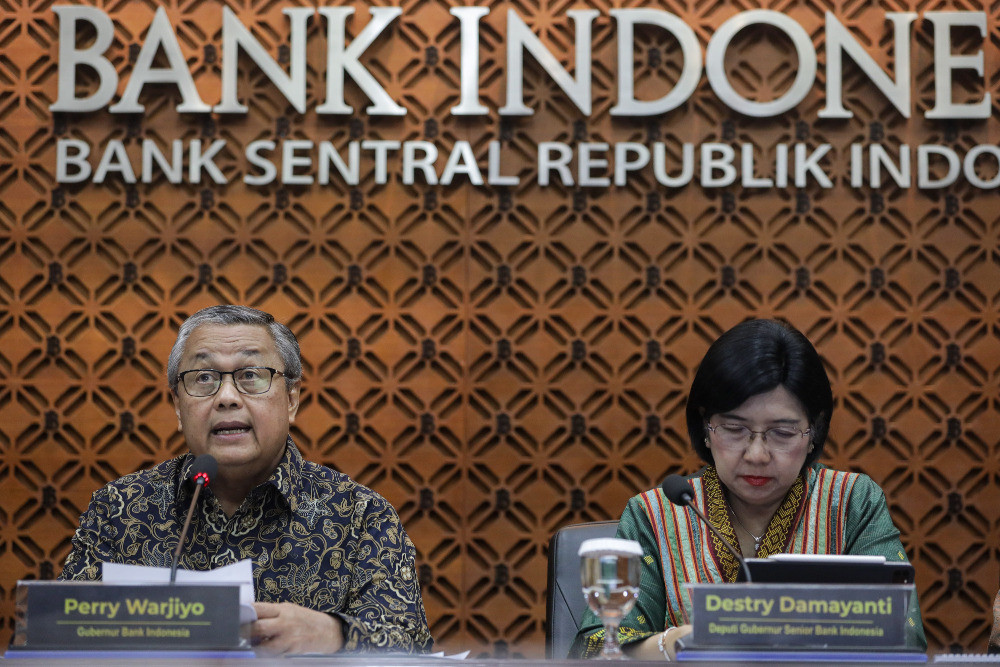
Bank Indonesia BI Rate 4.75% decision reflects a cautious stance by the central bank, holding the benchmark steady at 4.75% during its December 2025 meeting amid lingering global uncertainties. Governor Perry Warjiyo announced the unchanged policy alongside stable deposit and lending facility rates, prioritizing rupiah stability while monitoring inflation and growth signals. This move aligns with market expectations, balancing external pressures like US policy shifts with domestic recovery trends.
Policy Rationale and Economic Context
Bank Indonesia BI Rate 4.75% hold stems from controlled inflation projections within the 2.5% ±1% target for 2026, allowing room for future easing if conditions align. The bank revised global growth forecasts upward to 3.2% for 2025, citing strengths in Japan and India, yet high uncertainty from trade tensions and geopolitical risks warrants vigilance. Rupiah fundamentals remain solid, supported by improving current account balances and steady capital inflows.
Domestically, PMI manufacturing and retail sales show positive momentum, though credit growth lingers around 7.36% year-on-year. Bank Indonesia BI Rate 4.75% ensures transmission of prior rate cuts, totaling 125 basis points this year, reaches the real economy without overheating. Macroprudential loosening boosts bank liquidity for priority sectors, complementing monetary stance.
Perry emphasized inclusive growth via digital payments expansion and payment system resilience, key to broader participation.
Implications for Markets and Businesses
Holding Bank Indonesia BI Rate 4.75% reassures investors, stabilizing SBN yields and curbing rupiah volatility seen recently. Businesses benefit from predictable borrowing costs, aiding investment in manufacturing and exports amid global slowdown fears. Banks pass on relief through lower lending rates, spurring SME credit crucial for job creation.
Equity markets may see measured gains, with rate-sensitive sectors like property and consumer goods gaining traction. Foreign inflows could pick up if Fed paths converge, enhancing liquidity. Exporters navigate steady policy with focus on non-oil commodities, where demand holds firm.
Challenges persist, like stagnant credit demanding deeper transmission, but coordinated fiscal measures help.
Global Comparisons and Forward Guidance
Bank Indonesia BI Rate 4.75% positions Indonesia competitively against peers easing aggressively, preserving policy space. Unlike faster cutters, BI prioritizes FX stability, echoing successful navigation of past cycles. Forward guidance hints at cuts if inflation stays tame and growth accelerates, eyeing Q2 2026 post-Fed transitions.
Analysts like BCA's David Sumual note BI's flexibility, watching insentif effectiveness before next moves. This data-dependent approach builds credibility, fostering confidence in sustained 5%+ GDP growth targets.
Sectoral Impacts and Strategic Responses
Bank Indonesia BI Rate 4.75% ripples through property, where developers eye softer mortgages to clear inventories. Retailers anticipate holiday spending lifts from stable consumer sentiment. Fintechs push digital adoption, aligning with BI's payment ecosystem goals.
Corporates strategize around yield curves, locking fixed rates ahead of potential easing. Households gain from contained EMIs, supporting durable consumption. Policymakers refine macroprudential tools for green financing and digital inclusion.
Risks like oil volatility or China slowdowns loom, yet resilient remittances and tourism buffer impacts. Bank Indonesia BI Rate 4.75% thus anchors expectations, enabling proactive adjustments.
Long-Term Outlook and Investor Strategies
Sustaining Bank Indonesia BI Rate 4.75% supports structural reforms, from downstreaming to infrastructure, without inflationary spikes. Investors favor quality bonds and dividend stocks, balancing duration risks. Equity picks lean toward banks with strong CASA growth and exporters with dollar hedges.
As 2026 unfolds, BI's dual mandate shines, blending stability with growth nudges. This December pause signals maturity, ready for calibrated easing when stars align. Markets breathe easier, focusing on fundamentals over headlines.
Read More