





 Sunday, 25-10-26








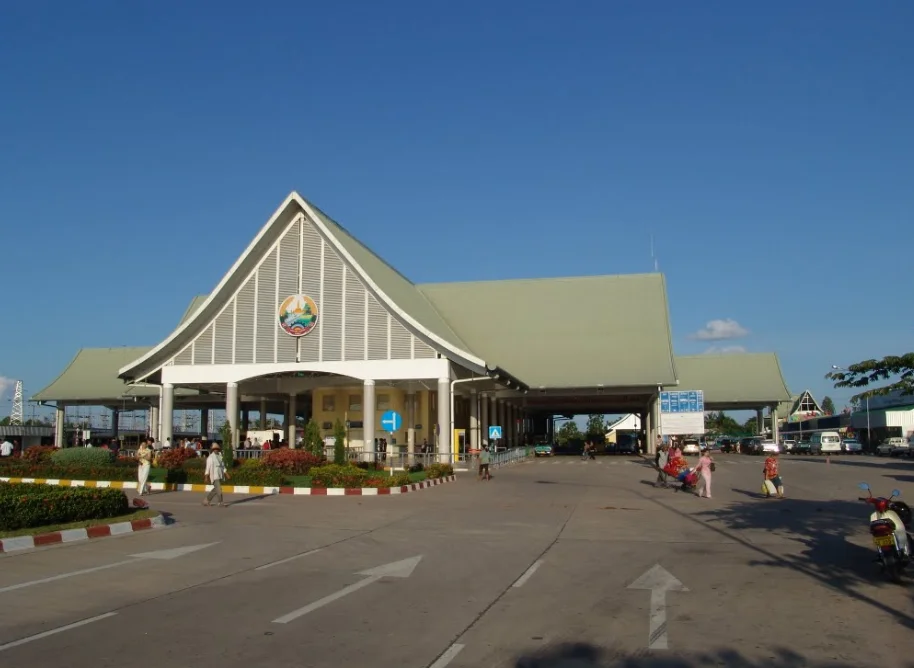
Lao Thai Friendship Bridge agricultural exports have surpassed USD 9.7 million in January, highlighting the growing importance of cross border trade between Laos and Thailand. The first Lao Thai Friendship Bridge, connecting Vientiane and Nong Khai, has long served as a strategic artery for goods movement. However, recent figures show a notable acceleration in agricultural trade flows, underscoring the bridge’s critical role in supporting Laos’ export driven growth.
As regional supply chains evolve and Southeast Asia deepens economic integration, Lao Thai Friendship Bridge agricultural exports reflect more than routine trade statistics. They signal strengthening bilateral cooperation, expanding market access for Lao farmers, and improved logistics efficiency across the Mekong subregion.
The January milestone demonstrates how infrastructure investments can translate into measurable economic impact. For landlocked Laos, reliable cross border connectivity remains essential for export competitiveness.
Strategic Importance of the First Lao Thai Friendship Bridge
The first Lao Thai Friendship Bridge has been operational since 1994 and remains one of the most vital trade gateways for Laos. Spanning the Mekong River, it connects the Lao capital of Vientiane with Thailand’s Nong Khai province, providing direct road access to Thailand’s broader transportation network.
Lao Thai Friendship Bridge agricultural exports benefit from Thailand’s advanced logistics infrastructure, including highways, rail links, and port access. Through Thailand, Lao agricultural products can reach international markets more efficiently, reducing transportation costs and delivery times.
For Laos, a landlocked nation heavily dependent on agriculture, such connectivity is transformative. Lao Thai Friendship Bridge agricultural exports enable farmers and agribusinesses to expand beyond domestic demand and tap into regional consumption.
In January alone, agricultural shipments via the bridge exceeded USD 9.7 million. This figure represents a significant portion of Laos’ monthly agricultural trade, reinforcing the bridge’s role as a central economic lifeline.
Agricultural Commodities Driving Export Growth
The growth in Lao Thai Friendship Bridge agricultural exports is driven by a range of commodities. Laos exports products such as cassava, bananas, watermelons, rubber, and other fresh produce to Thailand and beyond.
Thailand often acts both as a direct buyer and as a transit hub. Some Lao agricultural products are processed in Thailand before being re exported to third markets. This arrangement integrates Laos into regional value chains, enhancing the country’s participation in broader Southeast Asian trade networks.
The USD 9.7 million milestone in January reflects strong seasonal demand and improving trade facilitation measures. Efficient customs procedures and coordinated border management contribute to smoother flows of perishable goods.
Moreover, regional trade agreements under the Association of Southeast Asian Nations framework support tariff reductions and harmonized standards. Lao Thai Friendship Bridge agricultural exports benefit from these policy frameworks, which reduce trade barriers and encourage cross border commerce.
The rise in exports also indicates improved production capacity among Lao farmers. Investments in agricultural techniques, irrigation, and quality control have strengthened export readiness. As Lao producers meet higher quality standards, they can command better prices in regional markets.
Economic Implications for Laos
Agriculture remains a cornerstone of Laos’ economy, employing a significant portion of the population. Increased Lao Thai Friendship Bridge agricultural exports translate directly into income opportunities for rural communities.
Export growth contributes to foreign exchange earnings, which are particularly important for developing economies managing trade balances and currency stability. By expanding agricultural exports, Laos strengthens its external revenue streams and reduces vulnerability to domestic demand fluctuations.
The bridge’s trade activity also stimulates supporting sectors. Logistics providers, customs agencies, packaging services, and transport companies all benefit from rising cargo volumes. The multiplier effect extends beyond farmers to a wider network of economic actors.
Additionally, consistent growth in Lao Thai Friendship Bridge agricultural exports enhances investor confidence. Infrastructure that demonstrates tangible returns encourages further capital allocation into agribusiness, storage facilities, and supply chain modernization.
However, sustaining this momentum requires continued policy attention. Export growth must be balanced with environmental sustainability and rural development objectives. Over reliance on a narrow range of commodities could expose farmers to price volatility.
Regional Integration and Cross Border Cooperation
The success of Lao Thai Friendship Bridge agricultural exports reflects deeper regional integration across the Mekong subregion. Cross border cooperation between Laos and Thailand has improved customs coordination and reduced bureaucratic delays.
Infrastructure projects under regional connectivity initiatives have enhanced transport corridors linking Laos to neighboring countries. While the first Lao Thai Friendship Bridge remains central, additional bridges and rail projects complement its function, diversifying trade routes.
Thailand’s role as a gateway to global markets remains crucial. By leveraging Thailand’s ports and distribution networks, Lao exporters gain access to destinations beyond Southeast Asia. Lao Thai Friendship Bridge agricultural exports therefore represent both bilateral and multilateral trade dynamics.
Cross border trade also strengthens diplomatic ties. Economic interdependence fosters collaboration in agriculture standards, transport regulations, and border security. The USD 9.7 million January figure serves as a quantitative indicator of this partnership’s vitality.
Challenges and Future Outlook
Despite encouraging growth, Lao Thai Friendship Bridge agricultural exports face several challenges. Infrastructure congestion during peak harvest seasons can strain border facilities. Investment in upgraded inspection systems and digital documentation could improve throughput capacity.
Climate variability presents another risk. Agricultural output in Laos remains sensitive to weather patterns. Droughts or flooding could disrupt export volumes, affecting monthly trade performance.
Global commodity price fluctuations also influence export revenues. Even if shipment volumes increase, price declines in international markets could offset gains. Diversifying export products and investing in value added processing would enhance resilience.
Looking ahead, continued modernization of border infrastructure is essential. The integration of digital customs systems, improved cold chain logistics, and streamlined inspection procedures would further strengthen Lao Thai Friendship Bridge agricultural exports.
There is also potential to expand beyond traditional commodities. Organic produce, specialty crops, and processed agricultural goods could command higher margins. By climbing the value chain, Laos can increase export revenues without solely relying on volume growth.
Moreover, deeper participation in regional trade agreements could open new markets. Strengthening compliance with sanitary and phytosanitary standards would improve market access in higher income economies.
The milestone of Lao Thai Friendship Bridge agricultural exports surpassing USD 9.7 million in January underscores the transformative power of infrastructure in driving economic growth. For Laos, the bridge is more than a physical structure spanning the Mekong River. It is a conduit for opportunity, connecting rural producers to regional and global markets.
As trade flows continue to expand, Lao Thai Friendship Bridge agricultural exports highlight the importance of logistics efficiency, policy coordination, and agricultural modernization. Sustained investment in these areas will determine whether current gains evolve into long term structural growth.
In a region defined by increasing economic integration, the bridge stands as a symbol of cooperation and shared prosperity. The January export figures may represent a single month’s performance, but they signal broader momentum in Laos’ journey toward stronger trade competitiveness and regional connectivity.
Read More