





 Thursday, 17-09-26








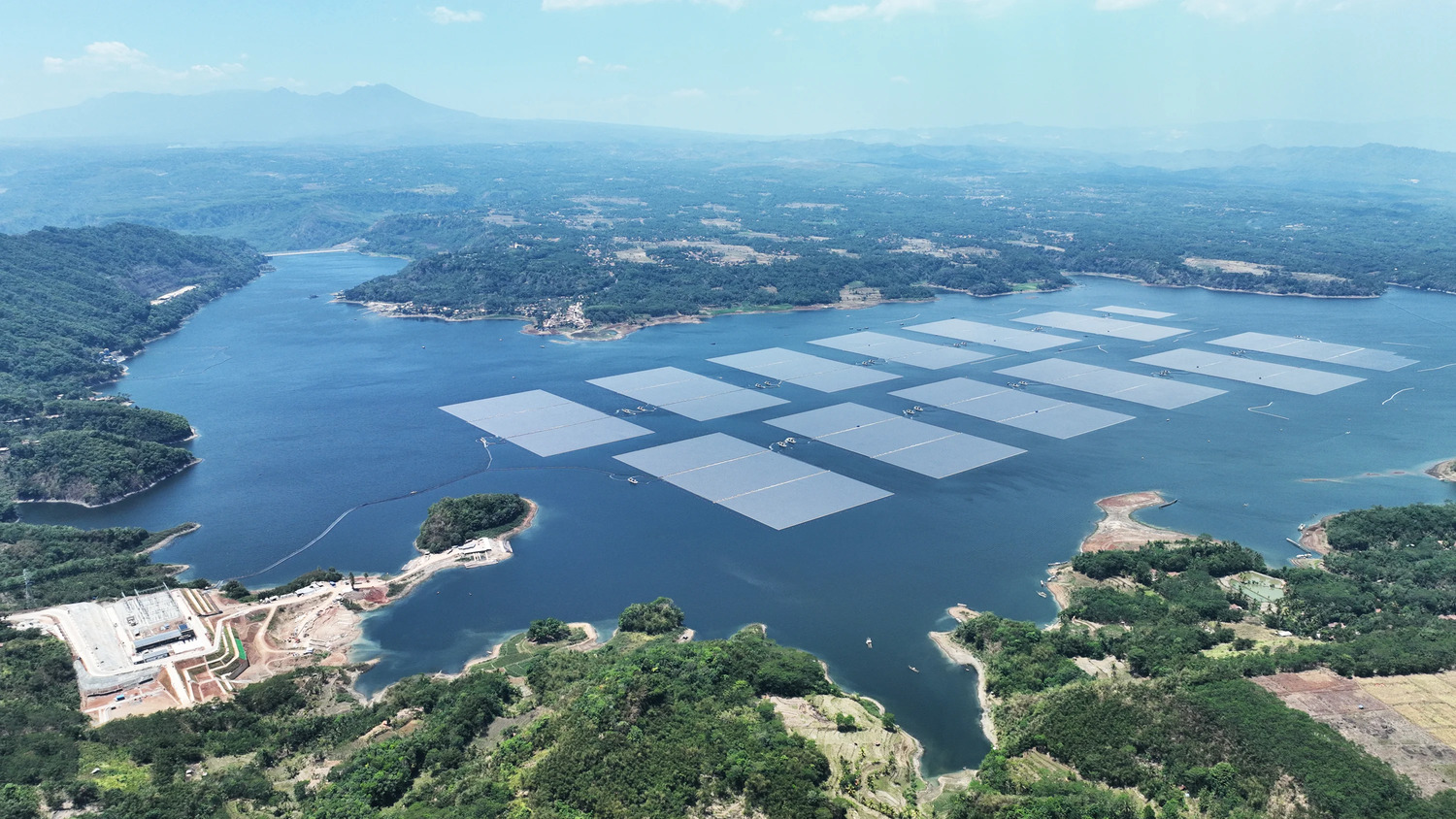
Indonesia has set a national objective to reach Net Zero Emissions by 2060. The government frames this long-term commitment as a mix of supply-side transformation, demand reduction through efficiency, and selective application of carbon management technologies. Realizing that ambition will require rapid expansion of renewables, retirement or repurposing of coal generation, major grid upgrades, new financing pathways, and policy reforms that align national energy planning with the NZE goal.
Transitioning a large emerging economy is inherently political and technical. Indonesia energy transition is not only about replacing fuel sources. It is about protecting energy access for households and industry, preserving fiscal stability, managing social impacts in coal-dependent regions, and attracting the investment needed to deploy new capacity at scale. These crosscutting concerns shape how policymakers sequence reforms and investments.
Strategic Priorities for the Indonesia Energy Transition
There are several strategic priorities that must be central to the national program. First, rapidly scale variable renewables such as solar and wind while defending system reliability through storage, flexible dispatchable resources, and improved grid operations. Indonesia energy transition planning recognizes solar as a major contributor to the 2030 generation mix and beyond. Second, accelerate electrification across transport, buildings, and industry to shift final energy demand away from fossil fuels. Third, manage the planned early retirement or moratorium of older coal plants while exploring carbon capture and storage for remaining high-emitting assets where feasible. Fourth, invest in human capital and supply chains so local industry benefits from the new green economy.
These priorities require integrated planning across ministries and with regional governments. For example, grid investments and siting approvals must be coordinated to avoid long delays for large solar or wind projects. Financing mechanisms need to blend public concessional capital with private investment to lower perceived risks. Lastly, social programs are essential to support workers and communities currently dependent on coal generation and mining.
Policy and Regulatory Reforms Needed
Delivering the Indonesia energy transition will hinge on several policy moves. Clear, durable market rules and streamlined permitting will reduce project lead times. A credible schedule for coal plant phaseouts or moratoria gives investors and utilities visibility to shift capital toward clean generation. Energy pricing and subsidy reform will be politically sensitive but necessary to signal true costs and mobilize efficiency improvements. The government also needs to finalize and operationalize key legislation and regulation that enable private-sector participation in renewables, storage, and grid modernization.
Effective carbon accounting and transparent emissions reporting are part of the regulatory backbone. Establishing robust measurement, reporting and verification systems lowers the risk of greenwashing and helps attract international finance tied to climate outcomes. Public procurement for distributed generation, rooftop solar, and public vehicle electrification can be used as demand-pull tools to accelerate deployment while demonstrating benefits to citizens.
Investment, Finance, and Technology Pathways
The scale of required capital is large and time-sensitive. To execute Indonesia energy transition plans, the country needs to mobilize international climate finance, development bank instruments, green bonds, and private institutional capital. Structured risk mitigation instruments such as guarantees and blended finance can close gaps where perceived regulatory or offtake risks deter investors. Public finance should be targeted to unlock larger private flows while supporting grid upgrades and strategic storage deployment.
Technologically, a diversified approach makes sense. Solar and wind should be prioritized where resource assessments show strong yields. Battery storage and flexible gas peaker plants can provide system balancing. For hard-to-abate industrial processes and legacy plants, carbon capture technologies could be considered in combination with strict cost-benefit analysis. The exploration of green hydrogen and synthetic fuels is justified for industrial feedstocks and shipping, but commercialization timelines must align with domestic competitiveness and infrastructure readiness.
Managing Social and Regional Impacts
A socially just transition is essential. The Indonesia energy transition must include retraining programs for coal sector workers, fiscal planning for regions dependent on fossil fuel revenues, and inclusive stakeholder engagement that brings local communities into project planning and benefit sharing. Investing in local supply chains for renewable components and grid hardware creates domestic employment opportunities and reduces import dependency. Targeted social safety nets and economic diversification programs help avoid concentrated economic shocks in coal-dependent provinces.
Risks and Implementation Challenges
Key risks that could slow the Indonesia energy transition include financing shortfalls, regulatory uncertainty, infrastructure bottlenecks, and resistance from vested interests in the fossil fuel sector. Delays in passing enabling legislation, or in clarifying rules for private off-takers and grid access, will materially raise project costs. Additionally, without clear policy signals, the utility sector may delay retiring legacy assets, causing stranded asset debates to become politically contentious. Addressing these risks requires transparent timelines, stakeholder consultations, and targeted mitigation instruments to maintain investor confidence and public support.
What Success Looks Like: Indicators and Milestones
Practical indicators of progress toward the Indonesia energy transition should include annual increases in renewable share of power generation, reductions in coal generation hours and capacity, measurable gains in energy efficiency per unit of GDP, deployment of grid-scale storage, and the establishment of financing instruments that lower the cost of capital for green projects. Intermediate milestones such as a 2030 renewable capacity target, a schedule for moratoria on new coal builds, and pilot projects for hydrogen or CCS technologies help validate technical and economic assumptions. Regular public reporting on these metrics will sustain accountability.
Conclusion: A Multi-Track, Pragmatic Approach
Indonesia energy transition is achievable but will be neither linear nor quick. It requires a multi-track approach combining accelerated renewables, electrification, targeted low-carbon technologies, social protections, and predictable policy frameworks. By sequencing reforms thoughtfully, mobilizing blended finance, and investing in grid and human capital simultaneously, Indonesia can move credibly toward its Net Zero 2060 goal while preserving energy security and economic growth. The coming decade will be decisive in determining whether targets remain aspirational or become realizable outcomes.
Read More