





 Tuesday, 22-09-26








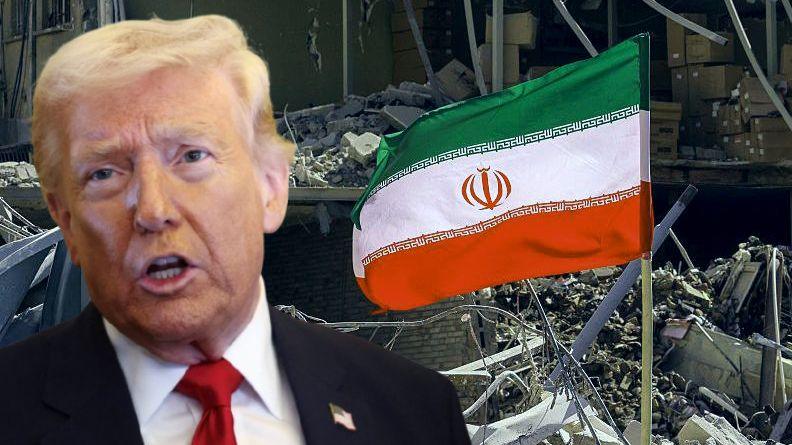
The financial burden of modern warfare is once again under global scrutiny as analysts debate the true Iran War Cost for the United States. Since the outbreak of direct military confrontation between Washington and Tehran, estimates of daily spending have ranged widely. Some headlines suggest the conflict is costing the United States as much as 2 billion dollars per day, while defense analysts argue the actual figure may be lower depending on the intensity of military operations.
Regardless of the exact number, the emerging consensus is clear. The Iran War Cost is rapidly becoming one of the most expensive short term military engagements in recent years. With advanced weapons systems, long range air campaigns, and missile defense operations dominating the battlefield, the financial implications of the conflict extend far beyond the Middle East.
At a time when the United States already carries a national debt exceeding 34 trillion dollars, the debate over how much the war truly costs has become both a strategic and economic question.
Understanding The Real Iran War Cost Per Day
Early reports suggested that the Iran War Cost could reach 2 billion dollars per day, a figure that quickly gained traction in political debates and media headlines. However, defense experts caution that such estimates represent the highest possible spending scenarios during the initial surge of military activity.
According to research from the Center for Strategic and International Studies, the first 100 hours of the campaign cost roughly 3.7 billion dollars, averaging around 891 million dollars per day during the opening phase of operations.
The largest portion of these expenses comes from replacing munitions. Analysts estimate that 3.1 billion dollars of the early cost was related to replenishing weapons used in air strikes and missile interceptions. None of these replacement costs were initially included in the Pentagon’s budget, meaning new funding may be required from Congress.
Other components contributing to the Iran War Cost include operational expenditures such as aircraft fuel, maintenance, logistics, and naval deployments. These costs totaled roughly 196 million dollars in the opening phase of the campaign.
Although the early surge in military activity pushed spending close to one billion dollars per day, analysts believe the cost could fluctuate depending on how the conflict evolves. Some economists estimate the daily cost could settle between 800 million and 1 billion dollars if the intensity of operations decreases.
However, if the conflict escalates further or involves ground troops, the Iran War Cost could climb dramatically.
Advanced Weapons And Technology Drive Iran War Cost
One of the most important factors behind the high Iran War Cost is the heavy reliance on advanced military technology. Modern warfare increasingly depends on high precision weapons systems, stealth aircraft, and sophisticated missile defense networks, all of which come with extremely high operational costs.
The United States has deployed a wide array of military assets to the region, including F 35 stealth fighters, F 22 air superiority jets, and long range bomber aircraft. Supporting these aircraft requires a massive logistical network that includes aerial refueling tankers, surveillance systems, and cargo planes transporting equipment and personnel.
Missile defense is another major expense. Interceptors used to destroy incoming missiles or drones can cost millions of dollars each. Some estimates suggest a single missile interceptor may cost around 2 million dollars, highlighting how quickly costs can accumulate during large scale defense operations.
In the first days of the conflict, thousands of munitions were reportedly used during air strikes targeting Iranian military infrastructure. Replacing these weapons represents the largest share of the Iran War Cost, according to defense analysts.
Another significant contributor is the deployment of naval forces. Aircraft carriers, destroyers, and support vessels require enormous resources to operate, including fuel, maintenance crews, and logistical support. Even limited naval operations can cost tens of millions of dollars per day.
These factors illustrate why the Iran War Cost escalates rapidly in the early stages of modern conflicts.
The Economic Ripple Effects Of The Iran War Cost
Beyond the direct military spending, the Iran War Cost also includes broader economic consequences that affect both the United States and the global economy.
One of the most immediate impacts has been rising oil prices. The conflict has heightened concerns about potential disruptions in the Strait of Hormuz, a strategic maritime route that handles roughly 20 percent of the world’s oil supply. When tensions rise in this region, global energy markets react quickly.
Higher oil prices translate into increased fuel costs for businesses and consumers. Transportation, manufacturing, and agriculture sectors are particularly sensitive to fuel price fluctuations. If the conflict continues for an extended period, inflationary pressures could spread across multiple industries.
Financial markets have also responded to the growing uncertainty. Defense stocks have risen as military spending increases, while broader markets remain cautious about the economic risks of prolonged conflict.
For the United States government, the Iran War Cost also raises questions about fiscal sustainability. The country already spends more than 800 billion dollars annually on defense, the largest military budget in the world. Additional spending on wartime operations could place further strain on federal finances.
Some analysts warn that if the conflict lasts months or years, the total cost could reach tens or even hundreds of billions of dollars.
Historical Comparisons Of War Spending
To understand the scale of the current Iran War Cost, it is useful to compare it with previous American military campaigns.
After the September 11 attacks, the United States spent an estimated 5.8 trillion dollars on wars in Afghanistan, Iraq, and related counterterrorism operations over two decades.
More recently, military operations in the Middle East between 2023 and 2025 cost between 31.5 billion and 33.7 billion dollars, including aid to regional allies and military deployments.
Compared with those long term campaigns, the current Iran War Cost may appear smaller in total spending. However, the daily burn rate of the conflict remains extremely high due to the use of modern weapons systems and the speed of military operations.
Short but intense conflicts can sometimes consume massive resources in a very short period of time.
Political Debate Over The Iran War Cost
Inside Washington, the Iran War Cost has become a major political issue. Lawmakers from both parties are questioning whether the financial burden of the conflict is justified by its strategic objectives.
Critics argue that spending billions of dollars on military operations could worsen the country’s debt situation and divert resources from domestic priorities such as infrastructure, healthcare, and education.
Supporters of the campaign, however, argue that the cost must be viewed in the context of national security. They believe confronting Iran’s military capabilities now could prevent larger conflicts in the future.
The Pentagon may soon face pressure to request additional funding from Congress, particularly if the war continues beyond its initial phase. Because much of the early spending was not included in existing budgets, lawmakers will likely debate new defense appropriations in the coming months.
This political discussion reflects a broader question about how the United States balances military power with economic sustainability.
The Future Of The Iran War Cost
Predicting the long term Iran War Cost remains difficult because it depends on how the conflict evolves.
If the fighting remains limited to air strikes and missile defense operations, the cost could stabilize at hundreds of millions of dollars per day. However, if the war expands to include ground forces or wider regional involvement, spending could rise dramatically.
Another factor is the cost of replenishing weapons stockpiles. Modern missiles, precision bombs, and interceptor systems take time and money to manufacture. Rebuilding these inventories could add billions of dollars to the total cost of the conflict.
At the same time, the geopolitical implications of the war could reshape global energy markets, defense spending priorities, and international alliances.
What is clear is that the Iran War Cost will remain a critical issue in global politics. The financial price of modern warfare is not only measured on the battlefield but also in national budgets, economic stability, and the long term balance of global power.
Read More