





 Monday, 21-09-26








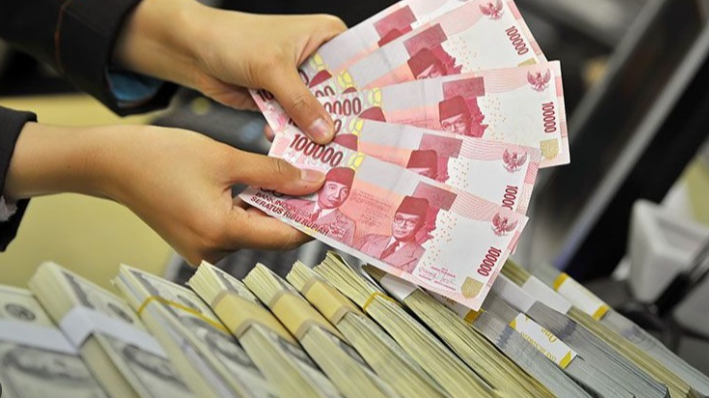
In late November 2025, the currency of Indonesia, the Indonesian rupiah, has once again grabbed headlines for all the wrong reasons. According to recent reporting, rupiah has underperformed nearly all other Asian currencies, stirring concern among investors, businesses, and economists. The phenomenon of “Rupiah underperformance Asia” raises fundamental questions about economic resilience, monetary policy effectiveness, and corporate strategies in Indonesia amid global financial volatility.
The situation is more serious than a short-term blip. With depreciation trends intensifying through 2025 and multiple pressure points converging, from global dollar strength to domestic fiscal uncertainty, the rupiah’s weakness is shaping up to be a systemic challenge rather than an episodic event. For businesses and policymakers alike, understanding the drivers and consequences is now more urgent than ever.
The Scope of Rupiah Underperformance Asia and Recent Trends
The latest coverage indicates that rupiah has “lost competitiveness” against almost all major Asian currencies, reflecting sharp depreciation and deepening weakness. This is in line with broader analyses showing that the Indonesian currency has been the worst performing among Asian peers in 2025.
Historically, Indonesia has faced periods of currency stress, notably during the Asian Financial Crisis of 1997–1998. Today’s depreciation comes against a different backdrop, global uncertainty, capital flow shifts, and structural economic pressures. Still, the effect feels familiar: higher import costs, more expensive foreign-denominated debt, and eroding purchasing power for businesses and households that depend on imports or foreign financing.
Beyond annual performance, the rupiah has shown repeated vulnerability in daily or weekly trading sessions. Weakness against the US dollar frequently emerges when global market sentiment tilts toward risk-off, when the dollar strengthens, or when external trade tensions intensify.
In aggregate, these patterns reinforce that we are witnessing more than short-lived volatility, we are observing a broader case of currency underperformance that threatens to ripple across multiple sectors and economic actors in Indonesia.
What’s Behind the Weakness: Global Dollar, Domestic Pressures, and External Shocks
Several key factors combine to drive the phenomenon of Rupiah underperformance Asia in 2025.
Global Dollar Dominance and Capital Flight
A strong US dollar remains the single largest external pressure. As global investors move assets toward dollar-denominated safe havens, emerging-market currencies including the rupiah come under pressure. Many Asian currencies have been more resilient or even slightly appreciated; but rupiah has fallen further due to a weaker confidence baseline and Indonesia’s structural vulnerabilities.
Currency markets often react sharply to changes in global sentiment: interest rate expectations in the US, geopolitical tensions, commodity price fluctuations, all shape capital flows. In that context, Indonesian debt, trade balance, and external financing needs become critical pressure points.
Domestic Economic and Fiscal Uncertainties
Domestically, businesses and investors appear unsettled by macroeconomic policies and fiscal direction. Uncertainty about government spending, budget deficits, inflation expectations, and monetary interventions feed into currency risk perceptions. When combined with rising global risk, that uncertainty undermines investor confidence in the rupiah.
For companies with import dependencies or foreign-denominated liabilities, the depreciating rupiah increases costs and liabilities. For others, especially those operating on tight margins, the currency weakness can erode competitiveness and profit margins, or force price adjustments that can backfire in a fragile domestic demand environment.
Regional Comparison: Why Rupiah Underperforms Peers
While many Asian currencies have shown relative strength, or at least stability, rupiah’s underperformance stands out. Analysts point out that unlike some of its peers, Indonesia’s economic structure, trade dependencies, debt profile, and foreign financing needs make it more sensitive to external shocks.
Additionally, policy responses, such as interest rate adjustments or central bank interventions, have sometimes lagged or responded reactively rather than proactively, which reduces their effectiveness in stabilizing the currency. In comparison, some regional peers acted more swiftly or benefit from more diversified export profiles, reducing the relative burden on their currencies.
Impact on Businesses, Investment, and Household Economy
The consequences of the rupiah’s drop go well beyond financial markets. For businesses, especially those reliant on imports, imported raw materials, or foreign debt, costs can balloon quickly. This may force companies to raise domestic prices, reduce margins, or recalibrate investment plans, all of which risk slowing growth or stalling projects.
For industries dependent on imported components, manufacturing, technology, retail, the rupiah depreciation can disrupt supply chains and diminish competitiveness. At worst, some companies may delay expansion, reduce workforce, or shift operations abroad to hedge currency risk.
For investors, domestic or foreign, the currency instability raises the risk profile of Indonesian assets. Foreign investors holding rupiah-denominated bonds or equity may demand higher yields or choose to divert capital elsewhere. This capital flight can further pressure foreign exchange reserves, create a vicious cycle, and magnify volatility.
Consumers also feel the effect. Imported goods, electronics, certain foods, raw materials, may become more expensive. Inflationary pressure tends to mount, reducing real purchasing power, and increasing the cost of living for households already grappling with economic uncertainty.
Additionally, for companies with foreign currency obligations, rupiah depreciation can drastically increase debt servicing costs, reducing profitability, increasing default risk, or forcing renegotiations.
What Indonesia and Stakeholders Can Do: Policy, Diversification, and Strategic Adaptation
Faced with Rupiah underperformance Asia, a multi-faceted and coordinated response seems necessary. Here are potential actions and strategies that can help.
Strengthen Monetary and Fiscal Discipline
Macroeconomic stability is foundational. The central bank and government must work in tandem to manage fiscal deficits, control inflation, and avoid excessive reliance on foreign-denominated debt. Transparent, credible policies can help restore investor confidence and reduce speculative pressure on rupiah.
Clear communication around fiscal policy, debt levels, and future borrowing needs would help reduce uncertainty. This can lower risk premia demanded by foreign investors and ease currency pressure.
Promote Export Diversification and Non-Commodity Industries
Reducing dependency on volatile commodity exports and focusing on diversified manufacturing, technology, and services can improve resilience. By exporting more value-added goods and services rather than raw commodities, Indonesia can mitigate vulnerability to global commodity swings and balance-of-payments pressures that strain the currency.
Strengthening industries that earn foreign exchange, such as tourism, digital services, manufacturing, can create more stable inflows of foreign currency, supporting rupiah stability over time.
Encourage Local Sourcing and Reduce Import Dependency
For businesses, reducing reliance on imported raw materials or components can help mitigate currency risk. By sourcing locally, or using hedging strategies, companies can buffer against exchange-rate swings. This may involve reconfiguring supply chains or investing in domestic production capabilities.
Additionally, companies can consider invoicing international contracts in local currency where feasible, or using forward contracts to manage currency exposure.
Improve Resilience Through Strategic Planning and Risk Management
Firms should integrate currency risk into their financial planning. Maintaining cash reserves in stable currencies, diversifying funding sources, and implementing hedging strategies can reduce exposure. For exporters, pricing strategies must account for currency volatility; for importers, alternative supply chains or product redesign may be necessary.
At the national level, strengthening foreign exchange reserves, managing external debt maturity profiles, and ensuring regulatory clarity can help stabilize the macroeconomic environment.
Looking Ahead: Will Rupiah Recover? What Needs to Happen
Rupiah’s path forward depends on both external and domestic factors. On the external front, global macro conditions, including US dollar strength, global interest rates, trade dynamics, and investor sentiment, remain uncertain. If global risk aversion persists or the dollar remains dominant, pressure on rupiah may continue.
Domestically, recovery requires credible fiscal and monetary measures, structural economic reforms, and renewed investor confidence. If Indonesia can show stable governance, reduce fiscal and external vulnerabilities, and promote export diversification, there is room for gradual currency stabilization.
For businesses and households, adaptation will remain key. Those who prepare for volatility, by hedging currency risk, reducing import dependencies, and optimizing supply chains, will be better positioned to weather future shocks.
The concept of Rupiah underperformance Asia should serve as a wake-up call: currency volatility is not just a monetary issue, but a structural challenge that affects nearly every layer of economy, from government budgets to SME margins, from export competitiveness to household purchasing power.
If Indonesia can leverage this moment to re-align policies, diversify its economy, and build resilience, the currency may recover. If not, the ripple effects could deepen, affecting not only finance but the broader trajectory of economic growth and stability.
Read More