


 Tuesday, 24-11-26


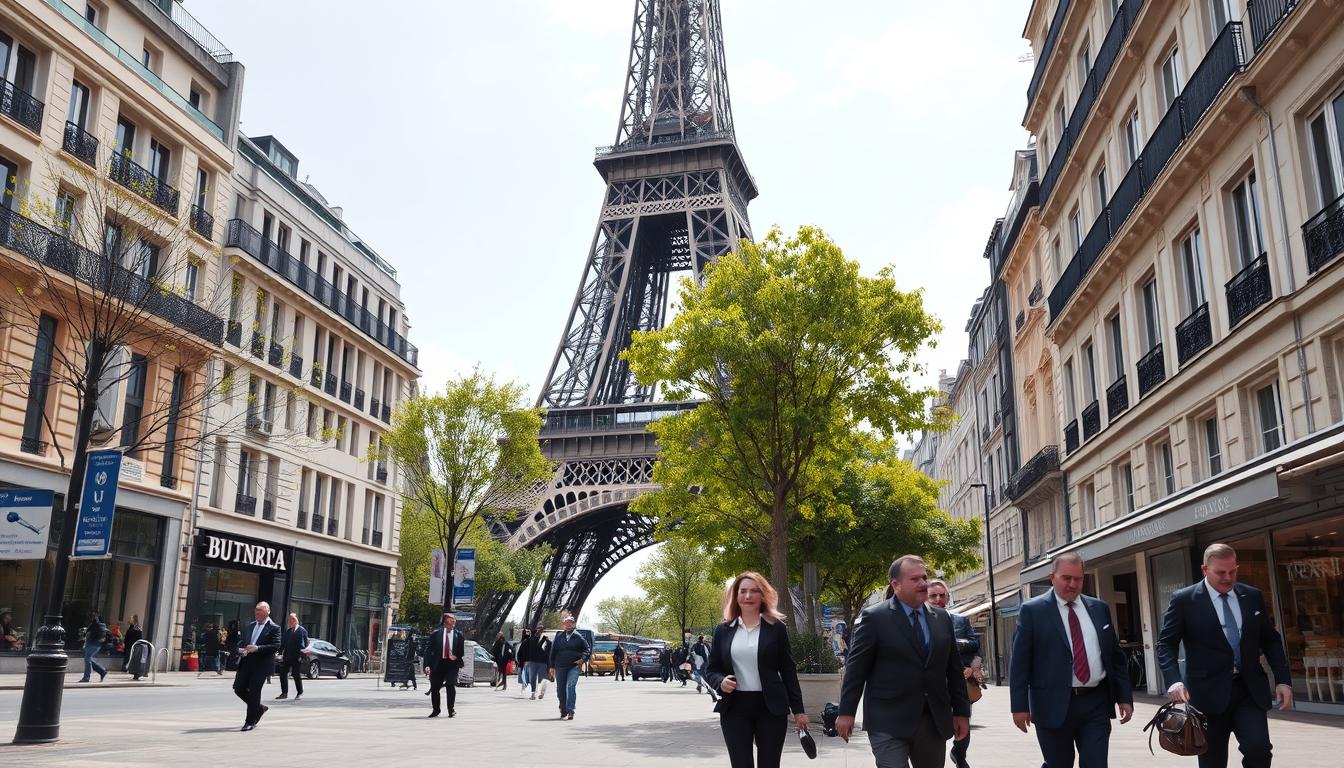
France stands as one of the most resilient and dynamic economic powerhouses in the European Union. Boasting a highly developed social market economy, it is currently ranked as the seventh largest economy in the world by nominal Gross Domestic Product, generating nearly three trillion dollars annually. For international entrepreneurs and exporters, particularly those based in emerging markets like Indonesia, understanding the domestic consumer trends and regulatory landscape of this European nation is incredibly important. By diving deeply into market data and consumer behaviors, foreign investors can uncover a wide array of highly profitable business opportunities in France that can elevate their enterprises to a truly global scale.
The Macroeconomic Landscape And Consumer Purchasing Power
To fully grasp the potential of the French market, one must first look at the foundational economic data. France is home to over 68 million residents who possess a high level of disposable income and a strong appetite for premium, sustainably sourced products. The country is not just a standalone market; it serves as a critical strategic gateway to the broader European single market, which connects over 450 million affluent consumers.
The French government has actively encouraged foreign investment through various structural reforms and financial incentives. Initiatives such as the "France 2030" investment plan have allocated billions of euros to transform key sectors like automotive, aerospace, digital technology, and green energy. This massive infusion of state capital creates secondary markets and supply chain demands that international businesses can easily fulfill. Furthermore, corporate tax rates have been progressively reduced over the past decade to make the business environment more competitive and welcoming to overseas enterprises. All these macroeconomic factors combined create an exceptionally stable environment for those seeking long term business opportunities in France.
High Demand Sectors Ripe For International Trade
When analyzing specific sectors, it becomes clear that certain industries offer faster pathways to profitability for foreign exporters. The French market is famously diverse, yet consumers exhibit very specific preferences regarding quality, origin, and environmental impact.
The food and beverage industry remains one of the most promising avenues for international trade. French consumers have developed a massive appetite for organic products, commonly referred to as "bio" in local retail sectors. Tropical agricultural products that cannot be grown domestically see tremendous demand year after year. Indonesian exporters, for example, have a distinct advantage in supplying specialty coffee, premium cocoa, organic spices, and essential oils. The demand for authentic, ethically sourced ingredients from Southeast Asia provides a constant stream of business opportunities in France for agricultural cooperatives and agribusinesses that can meet European quality standards.
Similarly, the fashion, textile, and home decor sectors offer immense potential. While France is globally recognized for its luxury fashion houses, there is a booming market for sustainable apparel, artisanal craftsmanship, and unique home furnishings. Rattan furniture, handcrafted wooden home accessories, and ethically manufactured textiles are highly sought after by French interior designers and boutique retailers. Participating in world renowned international trade fairs hosted in Paris, such as Maison&Objet for home decor or Premiere Vision for textiles, serves as a direct launchpad for foreign companies to secure massive wholesale contracts.
The Synergy Between Indonesian Exporters And French Markets
The bilateral trade relationship between Indonesia and France has shown consistent growth, reflecting deep synergies between what Indonesia produces and what French industries require. Trade data historically places the annual bilateral exchange value at several billion dollars, with significant room for upward expansion. Indonesia's position as a global leader in the production of natural rubber, palm oil derivatives, and specialized electronic components directly feeds into the French manufacturing sector.
However, the modern trade landscape is shifting from raw material exports to value added products. French technology startups and cosmetic companies are increasingly looking for refined botanical extracts, sustainably processed marine products, and eco friendly packaging materials. For Indonesian entrepreneurs willing to invest in downstream processing and quality control, these niche markets represent some of the most lucrative business opportunities in France today. By aligning local manufacturing capabilities with French environmental standards, exporters can command premium pricing and establish highly resilient supply chains.
Navigating European Union Regulations And Customs
Entering the French market requires a thorough understanding of the European Union's strict regulatory frameworks. Because France is a core member of the European Union, any product entering its borders must comply with comprehensive safety, health, and environmental protection standards. For manufactured goods, securing the CE marking is an absolute prerequisite, indicating that the product meets all relevant European safety directives.
In the agricultural and food sectors, the hurdles are equally stringent. Exporters must navigate the complex Sanitary and Phytosanitary measures designed to prevent the introduction of pests and diseases. Furthermore, the European market is rapidly implementing new regulations regarding deforestation free supply chains and corporate sustainability due diligence. While these compliance benchmarks may initially seem daunting for small and medium enterprises, they actually function as a protective moat. Once an exporting company upgrades its operations to meet these standards, it gains unfettered access not only to France but to all 27 European member states. Therefore, mastering regulatory compliance is a critical step in unlocking sustained business opportunities in France.
Strategic Entry Methods For Foreign Entrepreneurs
Success in the French market rarely happens by accident. It requires a meticulously planned entry strategy tailored to local business culture and consumer habits. Building relationships in France relies heavily on trust, formal communication, and a demonstrable commitment to long term partnership rather than quick transactions.
One of the most effective strategies for entering this market is forming joint ventures or strategic partnerships with established local distributors. A domestic partner inherently understands regional consumer preferences, possesses established retail networks, and can seamlessly navigate the nuances of the French legal system. Alternatively, the rapid expansion of digital commerce provides another viable entry point. Cross border e-commerce platforms allow international brands to test product viability directly with French consumers without the massive overhead costs associated with physical retail spaces.
Additionally, leveraging the support of bilateral chambers of commerce, such as the Indonesian French Chamber of Commerce and Industry, can provide invaluable networking opportunities and market intelligence. These organizations frequently host matchmaking events that connect foreign suppliers directly with French procurement managers, significantly shortening the sales cycle.
Embracing Sustainability As A Core Business Strategy
Looking toward the future, it is impossible to discuss the French market without highlighting the absolute necessity of sustainability. The modern French consumer is highly educated on environmental issues and actively votes with their wallet. Products that feature excessive plastic packaging, lack supply chain transparency, or carry a heavy carbon footprint are increasingly rejected by the mainstream market.
Foreign businesses must integrate eco friendly practices into their core value proposition. Whether it involves utilizing biodegradable packaging, ensuring fair trade labor practices, or reducing energy consumption during manufacturing, these sustainable attributes must be prominently communicated to the French buyer. This shift in consumer consciousness is not a passing trend; it is a fundamental restructuring of the retail landscape. Entrepreneurs who recognize and adapt to this green transition will find themselves uniquely positioned to dominate their respective niches.
Expanding into the European landscape requires dedication, rigorous market research, and an unwavering commitment to quality. The French economy, characterized by its massive purchasing power and strategic geographic location, offers profound rewards for companies willing to meet its high standards. From supplying organic agricultural commodities and artisanal home decor to providing sustainable manufacturing components, the pathways to success are abundant and diverse. By prioritizing regulatory compliance, forging strong local partnerships, and embracing sustainable business practices, global entrepreneurs can confidently tap into the incredible wealth of business opportunities in France, ensuring robust international growth for decades to come.
Read More