


 Tuesday, 24-11-26


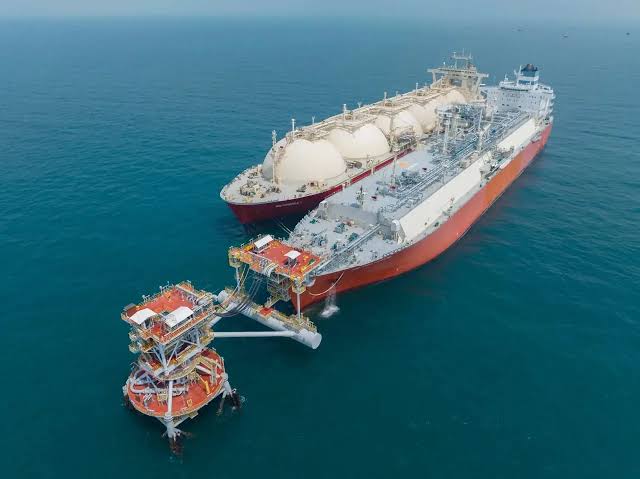
Indonesia's state owned natural gas distributor, PT Perusahaan Gas Negara Tbk (PGN), has officially announced an ambitious development timeline for its flagship energy infrastructure initiative. Scheduled to commence commercial operations in the third quarter of 2028, the New West Java Regasification project represents a cornerstone of the company's long term strategy to secure reliable, flexible natural gas supplies across western Java. Unveiled alongside six broader strategic initiatives in late November 2026, this infrastructure push addresses the growing industrial and residential energy demands of Indonesia's most densely populated economic corridor. By adding substantial regasification capacity and constructing critical pipeline interconnections, PGN is positioning itself to bridge regional supply gaps while supporting the nation's broader energy transition goals.
Technical Scope Of The New West Java Regasification Initiative
At its core, the New West Java Regasification project is engineered to add up to 500 million standard cubic feet per day (MMSCFD) of regasification capacity to Indonesia's western energy grid. Regasification is the vital industrial process of converting liquefied natural gas (LNG) from its supercooled liquid state back into gaseous form so it can be transported safely through conventional distribution pipelines to power plants, factories, and households.
To ensure this newly regasified fuel reaches key industrial zones seamlessly, the New West Java Regasification development includes the construction of an approximately 28 kilometer interconnection pipeline stretching from Jakarta Bay to Muara Bekasi. This strategic corridor links offshore LNG receiving capabilities directly into the high demand manufacturing hubs of Greater Jakarta and West Java. Corporate Secretary Fajriyah Usman emphasized that every phase of the New West Java Regasification buildout is executed with strict capital discipline, balancing customer demand projections, engineering readiness, and commercial viability to deliver sustainable value for both shareholders and national energy security.
Capital Expenditure Allocation And Financial Strategy
Executing large scale energy infrastructure requires disciplined financial management and substantial upfront investment. For the 2026 fiscal year, PGN allocated a total capital expenditure (CAPEX) budget of 353 million US dollars, directing the vast majority of these funds toward downstream business expansion and supporting midstream infrastructure. According to financial disclosures released in November 2026, PGN's realized capital expenditure through September 2026 reached 151 million US dollars, demonstrating steady execution across multiple active construction fronts.
Within this broader financial framework, the New West Java Regasification project shares priority funding with several complementary assets designed to fortify national distribution networks:
- Teluk Lamong Flat Bottom LNG Tank: Located in East Java, this onshore storage facility is designed with a capacity of 30 billion British thermal units per day (BBTUD). Physical construction stood at 0.9 percent as of September 2026, with commissioning targeted for the second quarter of 2028.
- Cikampek Plumpang Oil Pipeline: Developed through subsidiary PT Pertamina Gas (Pertagas), this 96 kilometer pipeline will transport up to 79,800 barrels of oil per day to bolster fuel reliability across Greater Jakarta. Physical progress reached 64.6 percent in September 2026, ahead of a planned third quarter 2027 commissioning.
- Customer Attachment Program: Backed by a dedicated 2026 investment allocation of 21.74 million US dollars, this initiative expands distribution pipelines across 10 provinces and 17 cities. With 11.29 million US dollars spent through September 2026, the program is projected to generate an additional 30.57 BBTUD in natural gas sales volume.
- Pagardewa Biomethane Injection Facility: Situated in South Sumatra, this green energy project integrates renewable biomethane directly into existing natural gas transmission grids, lowering overall carbon intensity.
Addressing Supply Deficits In Western Java
To understand why the New West Java Regasification facility is critical for Indonesia's economy, analysts point to the structural imbalance between where natural gas is produced and where it is consumed. Historically, Indonesia's largest natural gas reserves have been concentrated in eastern and northern regions, such as Papua, Kalimantan, and Sumatra, while the overwhelming majority of industrial manufacturing and electricity generation occurs on the island of Java.
As legacy piped gas fields in South Sumatra and offshore West Java experience natural production declines, western Java faces tightening supply margins during peak industrial cycles. Relying exclusively on traditional pipeline flows leaves manufacturing centers vulnerable to seasonal disruptions and upstream maintenance outages. By expanding offshore LNG receiving and regasification infrastructure in Jakarta Bay, PGN can source liquefied gas cargoes from domestic liquefaction plants in Bontang or Tangguh and deliver them directly into West Java's industrial heartland. The additional 500 MMSCFD capacity from the New West Java Regasification terminal acts as a vital buffer, ensuring uninterrupted power generation and factory operations even when upstream pipeline deliveries fluctuate.
Supporting Industrial Competitiveness And Energy Transition
Natural gas plays an indispensable dual role in Indonesia's economic roadmap. First, it serves as a foundational feedstock and heating fuel for strategic manufacturing sectors, including petrochemicals, ceramics, glass, textiles, and steel production. Ensuring stable gas availability at predictable volumes allows domestic manufacturers to maintain high utilization rates and compete effectively in global export markets.
Second, natural gas functions as the primary transition fuel as Indonesia works toward its national net zero emissions commitments. Compared to coal and heavy fuel oil, natural gas produces significantly lower carbon dioxide emissions and virtually zero particulate pollutants when burned for electricity generation or industrial steam. By pairing the New West Java Regasification infrastructure with household gas network expansions and biomethane injection initiatives, PGN is actively reducing national dependence on imported liquefied petroleum gas (LPG) subsidies while lowering urban air pollution across Jakarta, Bekasi, and surrounding industrial regencies.
Operational Outlook Toward The 2028 Milestone
Looking ahead to the targeted third quarter 2028 commercial operation date, PGN faces a multi year engineering, procurement, and construction schedule that demands close coordination with maritime regulators, local governments, and industrial off takers. Laying 28 kilometers of subsea and onshore interconnection pipe between Jakarta Bay and Muara Bekasi involves navigating busy shipping lanes, coastal environmental assessments, and dense urban corridors.
However, PGN brings extensive institutional experience to the undertaking, building upon operational insights gained from existing floating storage and regasification operations in West Java and Lampung. As engineering milestones progress through 2027 and early 2028, commercial teams are simultaneously locking in long term gas sales agreements with power utilities and industrial estates. When the New West Java Regasification facility officially comes online in late 2028, it will stand as a critical pillar of Indonesia's energy architecture, delivering reliable, cleaner fuel to millions of households and powering the next decade of industrial growth across western Java.
Read More