


 Tuesday, 03-11-26


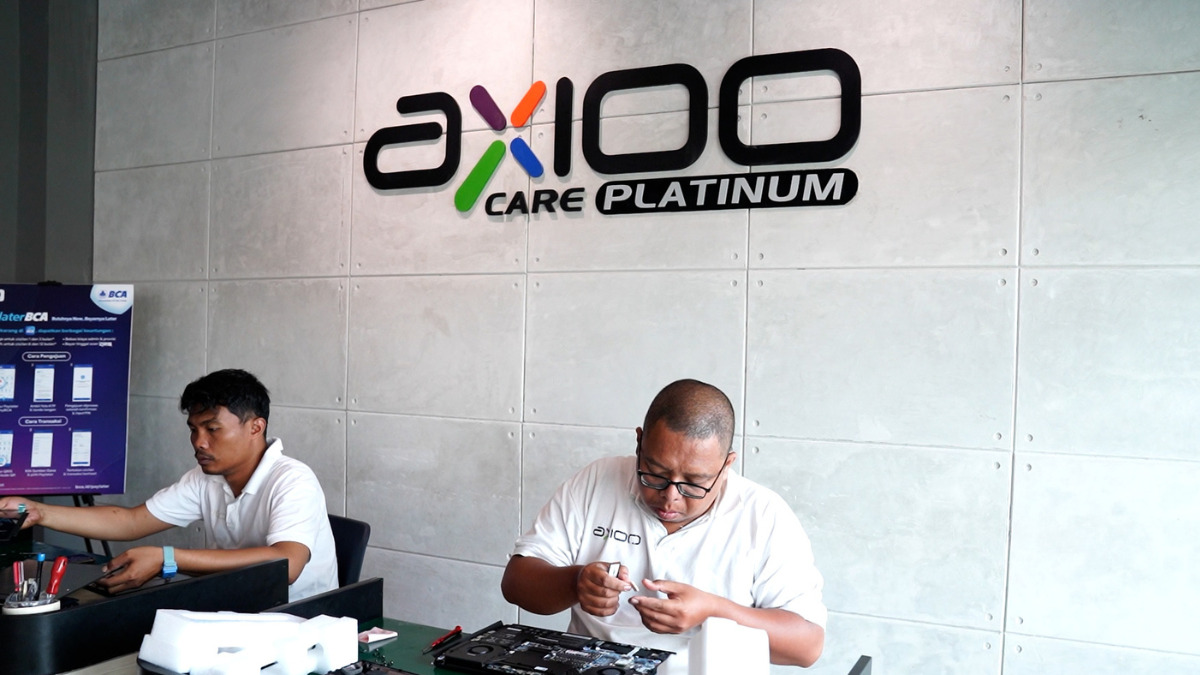
The global technology landscape is experiencing a dynamic shift as domestic manufacturers and distributors capture expanding market shares across key Asian economies. In recent financial reporting cycles, domestic tech hardware companies have demonstrated remarkable operational resilience by capitalizing on shifting consumer preferences and expanding commercial procurement opportunities. A primary example of this transformation can be seen in the third quarter financial results of PT Tera Data Indonusa Tbk, the prominent Indonesian technology brand behind the Axioo consumer electronics line. Driven by robust retail demand and expanded commercial penetration, the company achieved a impressive financial surge, highlighting how targeted market positioning can unlock substantial growth even within competitive global hardware markets.
Comprehensive Performance Overview of Tera Data Indonusa
During the nine month period ending September 30, 2026, corporate financial disclosures reveal that Tera Data Indonusa recorded total revenues of Rp 1.36 trillion. This revenue milestone reflects a solid 24.21 percent increase compared to the Rp 1.09 trillion registered in the exact same timeframe during the previous year. This top line revenue growth highlights strong market adoption across diverse consumer demographics and institutional client portfolios. As the demand for personal computers, laptops, and educational technology infrastructure accelerates across Southeast Asia, strategic distribution channels have allowed domestic producers to secure higher order volumes relative to regional historical benchmarks.
Operational Profitability and Net Margin Expansion
Profitability metrics across the hardware technology sector have faced continuous pressure due to fluctuating component costs and global supply chain reconfigurations. Despite these macro challenges, Tera Data Indonusa demonstrated exceptional margin expansion driven by effective cost control and operational efficiencies. Gross profit for the period rose by 32.85 percent year over year to reach Rp 224.99 billion, up from Rp 169.35 billion recorded in the previous corresponding period. Operating profit expanded even more dramatically, surging 76.09 percent to hit Rp 101.23 billion.
The most striking highlight of the third quarter reporting period is found in the net income line. Net profit attributable to the parent entity skyrocketed by 83.63 percent, moving from Rp 33.23 billion in 2025 to Rp 61.03 billion in 2026. Consequently, earnings per share rose proportionately from Rp 5.69 to Rp 10.45 per share. This substantial expansion in net profitability underscores the structural success of the company in optimizing supply chain logistics, controlling administrative overhead, and maximizing unit margins on flagship retail electronics.
Analysis of Revenue Drivers and Market Segmentation
Understanding the underlying factors behind this corporate growth requires examining the breakdown of sales channels. Historically, technology vendors in emerging markets relied heavily on government procurement contracts and institutional tenders. While public sector demand remains an important pillar of long term business stability, retail market sales have increasingly become the primary growth engine for consumer electronics.
Enhanced retail presence, strategic partnerships with regional electronics chains, and expanded e-commerce distribution platforms have allowed hardware brands to capture growing consumer mindshare. High performance gaming laptops, entry level notebooks designed for educational applications, and versatile computing devices tailored for remote work ecosystems have seen strong sell through rates. By aligning production output with actual consumer purchasing trends, companies can maintain healthy inventory turnover while sustaining premium pricing power across key retail categories.
Balance Sheet Analysis and Financial Solvency
A rigorous examination of financial health requires a close look at balance sheet stability alongside income growth. As of September 30, 2026, total corporate assets of Tera Data Indonusa grew to Rp 1.41 trillion, expanding from Rp 1.24 trillion recorded at the close of the prior accounting cycle. Total equity strengthened to Rp 574.13 billion due to the steady accumulation of retained earnings from ongoing operations.
Total liabilities expanded to Rp 843 billion, primarily reflecting short term working capital facilities utilized to support higher inventory build up ahead of peak year end retail shopping cycles. Current liquidity indicators remain comfortably balanced, with a current ratio of 1.38x ensuring that short term operational assets adequately cover immediate debt obligations. While managing working capital tied up in technology hardware inventory requires continuous oversight, strong operating cash flows provide a solid foundation for financial stability.
Capital Allocation and Interim Dividend Distribution
Demonstrating confidence in ongoing cash flow generation and operational balance, the board of directors of Tera Data Indonusa approved an interim dividend distribution for shareholders following the strong third quarter results. The total interim dividend payout was set at Rp 46.72 billion, translating to Rp 8 per share for eligible investors.
Capital allocation strategies that combine reinvestment in core business operations with direct cash returns to equity holders serve to enhance investor sentiment. Shareholder return initiatives reinforce market trust, particularly within regional stock exchanges where investors actively seek income generating equities backed by verifiable earnings growth.
Broader Economic Implications for Asian Hardware Manufacturers
The financial trajectory of domestic technology brands carries broader strategic implications for economic development in emerging markets. For decades, developing economies relied almost exclusively on imported hardware solutions from multinational technology conglomerates. The rise of capable local manufacturers operating state of the art assembly facilities alters this historical dynamic.
Local production reduces reliance on foreign exchange reserves, fosters technical skill development among local workforces, and builds resilient local supply chain networks. Furthermore, proximity to end users allows domestic technology companies to offer rapid customer support and localized product customizations that foreign competitors often struggle to replicate efficiently.
Strategic Outlook and Future Industry Developments
Looking ahead toward future operational quarters, technology hardware companies must navigate evolving semiconductor supply dynamics, macroeconomic currency fluctuations, and shifting consumer hardware upgrade cycles. Future growth will increasingly depend on software ecosystem integration, artificial intelligence hardware capabilities, and expanded enterprise services.
Organizations that maintain lean manufacturing costs, prioritize research and development, and foster multi channel distribution networks will remain well positioned to capture market share. The strong operational performance delivered by Tera Data Indonusa serves as an encouraging benchmark for how regional technology entities can achieve high margin growth while maintaining sustainable financial practices.
Read More