


 Monday, 02-11-26


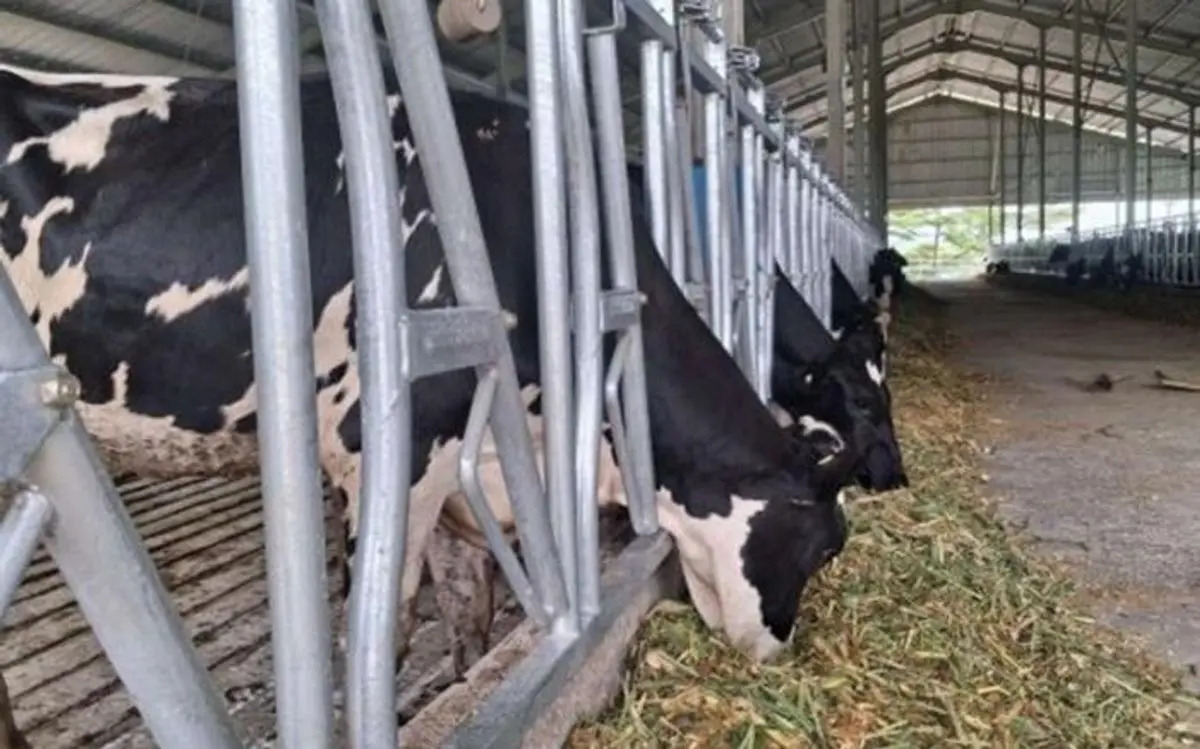
Domestic demand for high-quality dairy products across Southeast Asia continues to outpace local production capacity. In Indonesia, rapid urbanization, rising middle-class incomes, and expanding school nutritional initiatives have created unprecedented demand for fresh raw milk and downstream processing inputs. To capture this expanding market share, major livestock enterprises listed on the Indonesia Stock Exchange, such as PT Estika Tata Tiara Tbk under the ticker BEEF, are making substantial capital investments in land acquisitions and infrastructure development.
Executing a well-structured Indonesia dairy farm expansion strategy allows commercial producers to scale up their dairy herds, improve raw yield volumes, and vertical integration capabilities. By securing large land parcels dedicated to modern cattle breeding and high-tech milking parlors, corporate operators aim to reduce national reliance on imported dairy solids while strengthening domestic food security frameworks.
Unpacking Domestic Milk Production Gaps and Import Dependencies
Indonesia faces a persistent gap between domestic raw milk output and total consumer consumption. Statistical data from the Ministry of Agriculture and the Indonesian Dairy Cooperatives Union indicates that national daily fresh milk consumption reaches approximately 4.4 million liters, whereas local dairy farmers and commercial ranches produce only around 900,000 to 1 million liters per day.
Consequently, domestic supply fulfills less than 23 percent of national demand, forcing processing industries to import more than 77 percent of their raw materials as skim milk powder and anhydrous milk fat from Australia, New Zealand, and the European Union.
Several structural factors contribute to this persistent national supply deficit:
- Fragmentation of Dairy Herds: Smallholder farmers own more than 80 percent of Indonesia's total dairy cattle population, typically managing small herds of three to five cows per farm.
- Land Availability Constraints: Java island houses over 90 percent of the national dairy cow herd, where dense human populations and high land prices limit pasture expansion and forage cultivation.
- Yield Spans per Animal: Local smallholder dairy cows produce an average of 10 to 12 liters of milk per day, compared to modern commercial dairy operations achieving 25 to 30 liters daily per head through automated management.
- High Feed Costs: Commercial feed concentrates and high-protein forage represent up to 70 percent of operational expenses, impacting margins for unorganized smallholders.
Corporate investments in land acquisitions allow livestock enterprises to overcome land fragmentation. Establishing large-scale facilities enables operators to manage cattle herds under optimized climate-controlled housing, introducing efficient feed management systems that boost daily yields per cow.
Strategic Capital Allocation and Commercial Land Acquisition Metrics
Expanding dairy farm operations requires significant upfront capital investments to secure real estate, clear land, build automated infrastructure, and import high-yield breeding stock. When corporate entities acquire dedicated cattle ranch land, capital expenditure plans allocate funds across several core operational areas.
Real estate acquisition represents the foundational phase of commercial scaling. Acquiring tens to hundreds of hectares outside congested urban corridors provides the physical space required for modern free-stall barns, automated rotary milking parlors, waste treatment lagoons, and forage production fields. Securing contiguous land parcels is essential for establishing biosecurity buffers that protect herds against infectious cattle diseases.
To optimize operational efficiency, modern facilities combine cattle housing with on-site feed production. Growing high-yielding tropical grasses like Napier grass or King grass directly on acquired land reduces feed procurement costs significantly. Commercial enterprises that integrate forage farming directly into their footprint cut external feed transportation costs by up to 30 percent while guaranteeing a consistent year-round supply of roughage.
Furthermore, expanding land capacity facilitates importing genetically superior Holstein Friesian cows from Oceania or North America. Large commercial barn layouts allow for controlled environmental housing using evaporative cooling systems. These systems maintain ambient barn temperatures between 18 and 22 degrees Celsius, preventing heat stress and ensuring daily milk production remains steady even within tropical climates.
Macroeconomic Alignment with National Nutrition Programs
The commercial viability of scaling up domestic dairy operations receives strong support from national development goals. The Indonesian government has launched ambitious public health initiatives aimed at eliminating childhood stunting and improving school nutritional standards. Central to these initiatives is the national free nutritious meal program, which aims to provide daily food and fresh milk to millions of students across the archipelago.
Full implementation of national nutritional programs is projected to increase liquid milk demand by billions of liters annually over the coming decade. Official estimates indicate that meeting these national intake targets will require expanding the domestic dairy herd by hundreds of thousands of productive cows.
Public processing infrastructure cannot rely solely on imported powders to fulfill fresh liquid milk mandates. Consequently, private enterprise initiatives align directly with state objectives, encouraging banks and state financial institutions to extend credit lines and investment incentives to corporate agricultural expansion projects.
The successful implementation of an Indonesia dairy farm expansion strategy enables companies to negotiate long-term supply contracts with major food and beverage processing conglomerates. Offtake agreements with multinational processors provide stable cash flows, hedging corporate producers against spot market price volatility and validating land acquisition expenditures.
Long-Term Outlook for Corporate Dairy Business Segments
Integrating corporate livestock operations with expanded land footprints positioning commercial producers for sustained revenue growth. Upstream raw milk production offers resilient gross margins, particularly when integrated into downstream processing operations such as pasteurized liquid milk, yogurt, cheese, and ready-to-drink flavored dairy beverages.
To maximize return on capital from land acquisitions, corporate management teams focus on optimizing several operational metrics:
- Calving Intervals and Herd Genetics: Utilizing artificial insemination and sexed semen technology reduces calving intervals toward 12 to 13 months, accelerating herd growth rates naturally.
- Precision Farming Integration: Installing wearable activity monitors and automated health tracking sensors allows veterinary teams to monitor cow health, heat cycles, and rumination times in real time.
- Circular Waste Management: Utilizing automated manure scraping systems to generate organic fertilizer or biogas energy reduces facility utility expenses while minimizing environmental impacts.
By combining land expansion with automated technology, commercial dairy enterprises transition from low-margin livestock trading toward high-margin, scalable food manufacturing. As urban consumer preference shifts toward fresh, locally produced dairy items over imported milk powder recombinations, corporate producers with integrated land and herd infrastructure maintain a distinct competitive advantage.
Executing a well-planned Indonesia dairy farm expansion strategy serves as a critical growth engine for agricultural enterprises. As corporate players acquire farmland, scale up herd sizes, and leverage modern dairy technology, they address national food security challenges while creating long-term value for shareholders and domestic consumers alike.
Read More