





 Thursday, 15-10-26








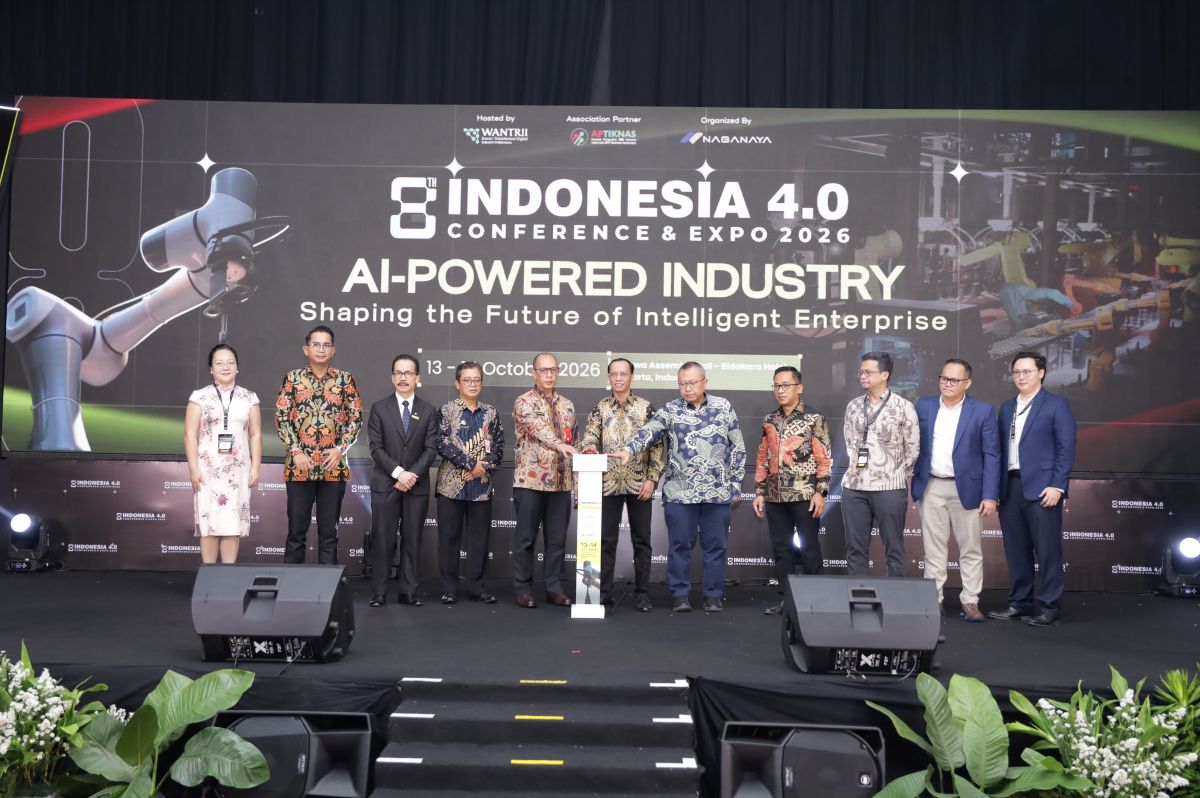
The rapid integration of artificial intelligence into industrial operations is fundamentally redefining the modern factory floor. From predictive maintenance algorithms to automated supply chain management, industrial enterprises are leveraging smart technologies to drive unprecedented operational efficiency. However, this massive digital transformation opens unprecedented attack vectors for sophisticated cyber threats. Recognizing these heightened vulnerabilities, Indonesia's National Cyber and Crypto Agency, known locally as Badan Siber dan Sandi Negara, has issued a strategic call to action. The agency urges industrial operators to drastically reinforce manufacturing cybersecurity infrastructure to safeguard national productivity and critical industrial data.
As factories migrate from isolated legacy systems toward hyper-connected Internet of Things networks, the boundary between operational technology and information technology continues to blur. While this connectivity enables real-time data monitoring and autonomous manufacturing processes, it also exposes physical assembly lines to remote digital disruptions. The agency emphasizes that cyber resilience can no longer remain an afterthought or a minor technical budget line item. Instead, robust defense frameworks must form the core architectural foundation of every modern manufacturing enterprise navigating this automated landscape.
The Growing Vulnerability Of Industrial Operational Technology
Historically, manufacturing facility equipment operated in air-gapped environments, physically isolated from external commercial networks. Legacy machinery prioritized physical safety and operational continuity above encrypted network security. However, Industry 4.0 initiatives have required factories to connect shop-floor industrial control systems directly to cloud-based analytics platforms. This convergence exposes specialized controllers and supervisory control systems to internet-borne malware, ransomware attacks, and nation-state intrusion vectors.
The National Cyber and Crypto Agency points out that compromised operational technology carries consequences far beyond conventional data theft. A successful cyber breach on a chemical manufacturing plant, automotive assembly line, or food processing facility can halt physical production lines, ruin physical inventory, cause millions of dollars in downtime, and pose direct physical safety hazards to human operators on the factory floor. Protecting these physical systems requires a specialized approach tailored to continuous industrial operations where standard software patches cannot always be applied without disrupting production schedules.
The Dual Role Of Artificial Intelligence In Industrial Cyber Defense
Artificial intelligence represents a powerful double-edged sword within modern industrial environments. On one hand, threat actors actively utilize automated intelligence algorithms to discover software vulnerabilities, generate convincing spear-phishing campaigns against plant managers, and launch polymorphic malware capable of bypassing legacy firewalls. Autonomous attack tools can scan connected industrial networks in milliseconds, pinpointing unpatched supervisory systems before security teams even realize a vulnerability exists.
Conversely, deploying machine learning frameworks within manufacturing cybersecurity defense protocols enables proactive threat detection and real-time incident mitigation. Advanced security analytics platforms continuously learn the baseline operational behavior of factory networks. When an anomaly occurs, such as an unauthorized configuration change on a programmable logic controller or an unexpected data transfer from a plant sensor, defensive artificial intelligence systems can automatically isolate the affected network segment within milliseconds. The agency advocates for adopting these AI-driven defensive capabilities to match the speed and sophistication of modern cyber threats.
Core Strategic Frameworks Recommended By Cybersecurity Authorities
To build resilient industrial operations, national security experts recommend implementing comprehensive defense-in-depth strategies. Relying solely on perimeter firewalls is no longer sufficient when protecting interconnected industrial assets. Industrial enterprises must establish multi-layered security controls encompassing technological infrastructure, standardized governance protocols, and continuous workforce capability development.
- Security by Design Principles: Embed encryption, multi-factor authentication, and strict access controls into system architectures during the initial design phase rather than attempting to retroactively secure legacy hardware.
- Zero Trust Architecture Implementation: Verify every device, user, and network connection continuously. Strict micro-segmentation ensures that if a single sensor or terminal is compromised, the attacker cannot pivot across the broader factory floor network.
- Regular Maturity Self-Assessments: Utilize standardized assessment frameworks, such as the national cyber security maturity instrument, to evaluate system readiness, identify operational gaps, and prioritize remediation investments.
- Establishment of Dedicated Incident Response Teams: Form and train internal computer security incident response teams capable of detecting, containing, and remediating operational breaches without causing prolonged facility downtime.
Addressing The Human Factor And Digital Literacy Gaps
Technological solutions form only one half of a robust defensive enterprise structure. The human element frequently remains the weakest link in industrial security perimeters. Malicious actors routinely target factory workers, maintenance technicians, and administrative personnel through sophisticated social engineering tactics designed to gain unauthorized access to internal management systems.
Enhancing human resource readiness through continuous educational initiatives is vital. Factory workers must recognize suspicious system behaviors, understand the risks associated with inserting unauthorized storage devices into control terminals, and follow strict password hygiene standards. The agency stresses that cultivating a pervasive organizational culture of security mindfulness transforms everyday staff members into active first responders on the digital frontline.
Public-Private Collaboration For Critical Infrastructure Protection
Safeguarding national industrial production requires seamless collaboration between government regulatory bodies and private enterprise leaders. The manufacturing sector serves as a vital economic engine, directly impacting national supply chains, employment statistics, and overall economic stability. Consequently, systemic disruptions within major industrial sectors carry far-reaching socio-economic consequences for the broader populace.
Through proactive guidance, standardization frameworks, and joint threat intelligence sharing networks, security agencies provide vital support to private industrial operators. By participating in national threat intelligence networks, individual factory managers gain immediate visibility into emerging malware campaigns targeting industrial control systems across Southeast Asia. This collective defense model ensures that individual companies do not have to confront complex, state-sponsored cyber threats in isolation.
Preparing Industrial Frameworks For Future Technological Advances
As industrial companies continue exploring quantum computing, advanced robotics, and autonomous supply chains, the complexity of securing digital industrial ecosystems will multiply. Forward-thinking executives must align corporate governance policies with evolving national security standards today. Investing in comprehensive cybersecurity measures should be viewed as a core business enabler that protects company valuation, maintains customer trust, and guarantees operational continuity.
By heeding official recommendations and taking proactive measures to modernize defensive infrastructures, manufacturing enterprises can capture the full economic potential of the artificial intelligence era. Implementing rigorous risk governance, enforcing zero trust network access, and fostering cross-sector intelligence sharing ensures that modern industrial facilities remain resilient, productive, and secure against evolving global cyber threats.
Read More