





 Thursday, 15-10-26








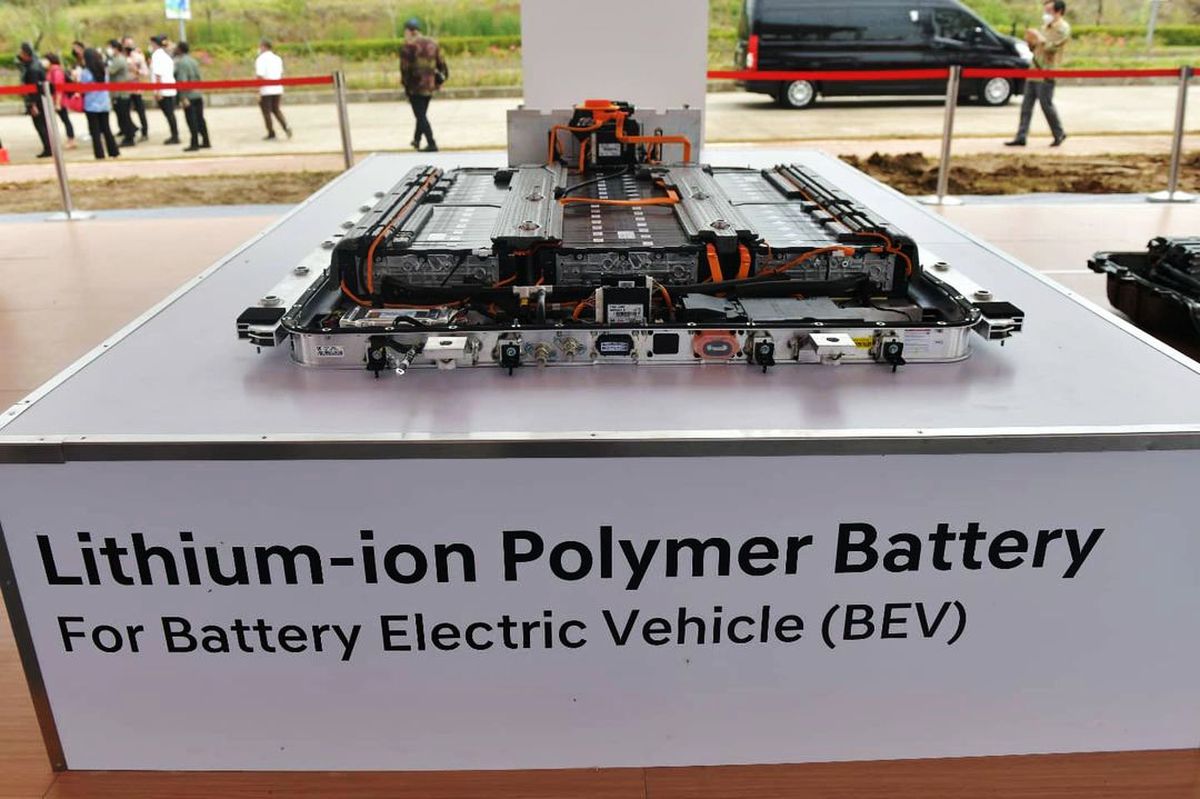
The global transition toward sustainable transportation is reshaping the automotive industry at an unprecedented pace. Electric vehicles are no longer a niche concept but a mainstream reality for millions of consumers around the world. In Southeast Asia, one nation is positioning itself to become an absolute powerhouse in this sector. With its vast natural resources and strategic economic policies, the country is rapidly transforming from a simple consumer market into a crucial node in the global supply chain. A significant part of this transformation centers around the ambitious government regulations designed to boost domestic manufacturing capabilities. At the heart of this strategy is a clever approach to local content requirements, which heavily features the production and utilization of Indonesian EV batteries.
As the largest economy in Southeast Asia, the nation possesses massive reserves of nickel, a critical component required for manufacturing the energy storage systems used in modern electric cars. Realizing the immense value of these natural resources, the government has implemented strict policies to ensure that the country benefits economically from the global shift away from fossil fuels. Instead of merely exporting raw materials, the strategy involves refining these metals locally and building a robust downstream manufacturing sector. This long term vision aims to attract immense foreign investment and create high quality jobs for local citizens. By mandating specific local content rules, the government is successfully forcing international automakers to rethink their supply chain strategies and seriously consider integrating Indonesian EV batteries into their imported vehicle models.
Driving Local Industry Growth With Electric Vehicle Initiatives
The Ministry of Industry has been highly proactive in setting the framework for this new era of automotive manufacturing. Recently, top officials provided significant insights into how foreign car brands can navigate the evolving regulatory landscape. Setia Diarta, the director general for metal, machinery, transportation equipment, and electronics industries, highlighted the growing importance of domestic component production. The ministry conducted thorough simulations to understand how different manufacturing scenarios would play out under the new regulations. Their findings revealed a fascinating loophole of sorts that benefits both the domestic economy and international vehicle manufacturers.
According to these government simulations, foreign automakers do not necessarily have to relocate their entire assembly operations to the country to meet the stringent local content thresholds. The research demonstrated that electric cars assembled overseas could still meet the upcoming sixty percent local content requirement, provided they utilize power components manufactured entirely within the country. This means that if a global brand sources its energy storage from domestic factories, it can significantly boost its local content percentage. The development of the domestic component sector is creating exciting new opportunities, proving that Indonesian EV batteries carry enough inherent value to satisfy the strict regulatory demands set by the government.
Understanding The Sixty Percent Local Content Requirement
To fully appreciate the impact of these regulations, one must understand the domestic content requirement system, known locally as Tingkat Komponen Dalam Negeri. This system measures the exact proportion of a product value that is attributable to domestic production. The government uses a highly specific calculation methodology to determine this percentage, ensuring that companies cannot bypass the rules with superficial local additions. Currently, the minimum domestic content requirement for electric vehicles sits at forty percent. However, under Presidential Regulation Number 79 of 2023, this threshold is scheduled to see a massive increase in the near future.
By the year 2027, the minimum requirement will jump to sixty percent. This aggressive timeline reflects the urgency with which the government wants to establish a self sufficient automotive supply chain. Furthermore, the requirement is slated to increase to an impressive eighty percent by the year 2030. Achieving these high targets requires more than just localizing small parts like seats or tires. It necessitates the localization of the most valuable and technologically advanced components of the car. Because the energy storage system often accounts for a massive portion of an electric vehicle total cost, utilizing Indonesian EV batteries becomes the most logical and efficient way for foreign manufacturers to hit the sixty percent mark. Without these locally produced power systems, imported cars would struggle immensely to meet the government standards.
Why Foreign Automakers Are Considering Indonesian EV Batteries
The flexibility offered by the latest ministry simulations presents a highly attractive proposition for global car brands. Relocating a massive vehicle assembly plant requires billions of dollars in capital investment, years of construction, and significant logistical restructuring. For many international automakers, especially those just entering the Southeast Asian market, building a full scale factory from scratch might be too risky or financially unfeasible in the short term. However, the ability to meet local compliance simply by altering their supply chain provides a strategic alternative that saves both time and money.
By choosing to incorporate Indonesian EV batteries into their vehicles, foreign companies can maintain their existing overseas assembly lines while still enjoying the benefits of selling compliant products in a massive consumer market. This symbiotic relationship accelerates the growth of the domestic manufacturing sector without forcing international companies into overly burdensome infrastructure investments. Furthermore, as the local component industry matures, the quality and efficiency of these domestic products will continue to improve, making them even more attractive to global brands. The reliance on these locally made power units ultimately strengthens the national economy while keeping the consumer market competitive and diverse.
The Expanding Landscape Of Domestic Manufacturing
The progress made in the domestic automotive sector over the past few years has been nothing short of remarkable. The industry is already showing strong signs of adapting to the current and future regulatory environments. Patia Monangdo, an official who heads the battery electric vehicle industry working team within the Ministry of Industry, recently shared encouraging statistics regarding the current state of local content compliance. According to his reports, the average domestic content level for electric cars currently operating in the country stands comfortably between forty five and forty seven percent.
This indicates that many manufacturers are already surpassing the current forty percent threshold and are well on their way to preparing for the 2027 increases. Even more impressively, some specific vehicle models have already achieved domestic content levels as high as eighty percent, proving that the government long term goals are entirely realistic and achievable. Additionally, more than one hundred electric vehicle products have officially obtained their domestic content certification. This widespread compliance highlights the rapid progress the industry is making in incorporating locally produced components. As more companies realize the strategic advantages of local sourcing, the demand for Indonesian EV batteries will inevitably skyrocket, driving further innovation and expansion within the sector.
The Economic Impact Of A Localized Supply Chain
Creating a localized supply chain brings widespread economic benefits that extend far beyond the automotive sector. When international companies commit to sourcing their materials locally, they stimulate a massive network of secondary industries. From mining and refining raw materials to the high tech manufacturing processes required for advanced energy storage, every step of the supply chain generates substantial economic activity. This ripple effect creates thousands of new jobs across various skill levels, ranging from heavy machinery operators to advanced chemical engineers and software developers.
The focus on domestic manufacturing also encourages academic institutions to develop specialized training programs, ensuring that the local workforce is fully equipped to handle the demands of a rapidly modernizing industrial landscape. By establishing a thriving ecosystem centered around clean energy, the government is effectively future proofing the national economy against the inevitable decline of traditional fossil fuel industries. This holistic approach guarantees that the financial benefits of the electric vehicle boom are distributed throughout the country, fostering a new era of industrial prosperity and technological independence for decades to come.
Looking Ahead To The 2030 Sustainability Goals
As the world moves closer to a future dominated by sustainable technology, the strategic decisions made today will dictate the economic leaders of tomorrow. The government plan to raise the local content requirement to eighty percent by 2030 is a bold declaration of its intention to completely dominate the regional electric vehicle supply chain. By leveraging its natural resources and enforcing smart regulations, the country is ensuring that it remains an indispensable player in the global green energy transition.
The widespread adoption and integration of domestic components will not only boost economic growth but also promote environmental sustainability by reducing the carbon footprint associated with global shipping and logistics. When batteries and other major parts are produced closer to their final market destination, the entire manufacturing process becomes more efficient and eco friendly. Ultimately, the success of this grand economic experiment relies heavily on the continued growth and technological advancement of the domestic component sector. If the current trajectory holds true, the reliance on Indonesian EV batteries will firmly cement the nation status as a premier global hub for next generation automotive manufacturing.
Read More