





 Wednesday, 16-09-26








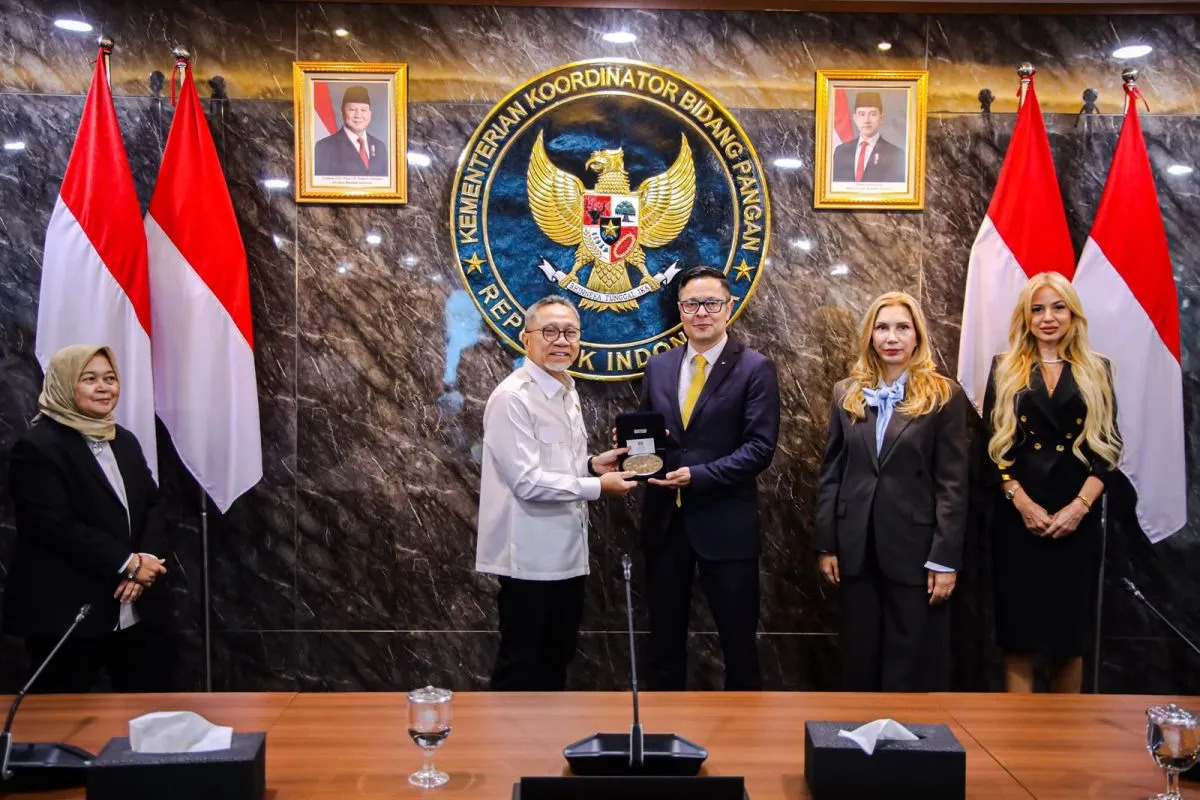
Global economic dynamics are undergoing significant recalibration as nations seek to diversify supply chains, secure strategic food resources, and explore emerging growth corridors across continents. Within this evolving trade landscape, Southeastern Europe and Southeast Asia are increasingly discovering mutual economic synergies. The deepening economic dialogue between Indonesia and Bulgaria represents a strategic convergence of two dynamic regional hubs. Both nations possess complementary economic structures, particularly within agriculture, food processing, logistics, and industrial infrastructure. By aligning Indonesia's vast resource base and growing domestic market with Bulgaria’s strategic position as a gateway to the European Union and the Black Sea region, both governments aim to revitalize trade volumes and establish sustainable commercial links.
In recent bilateral discussions, representatives from both Jakarta and Sofia highlighted the necessity of overcoming recent trade fluctuations caused by macroeconomic uncertainties and global logistics disruptions. A renewed commitment to Indonesia Bulgaria trade cooperation offers a structured framework through which both countries can capitalize on untapped market potential. By prioritizing agricultural exchanges, modernizing trade logistics, and facilitating cross-border investments, Indonesia and Bulgaria are laying the foundation for a resilient economic partnership designed to withstand modern global challenges.
Strategic Regional Alignment and Historical Context
The economic relationship between Indonesia and Bulgaria is rooted in decades of diplomatic relations, yet contemporary economic realities demand a more integrated and proactive engagement strategy. Indonesia, as the largest economy in the Association of Southeast Asian Nations (ASEAN), serves as an engine of growth for the Asia-Pacific region. Its booming demographic dividend, expanding middle class, and rapid industrialization make it a vital destination for international trade and foreign direct investment. Conversely, Bulgaria provides an essential strategic footprint in Southeastern Europe. Located at the crossroads of Europe and Asia, Bulgaria boasts low operational costs, competitive taxation frameworks, and direct access to the single market of the European Union.
Despite these geographic and strategic advantages, historical bilateral trade volumes have periodically underperformed relative to their true potential. Previous commercial interactions were often confined to traditional commodity transactions without deep integration into global value chains. Recognizing these limitations, current policy initiatives emphasize moving beyond simple buy-and-sell relationships toward comprehensive industrial collaboration. By leveraging their respective geographic positioning, both nations can build resilient trade corridors that connect Southeast Asia directly with Central and Eastern Europe.
Agriculture as the Pillar of Economic Synergy
Agriculture stands as the bedrock of bilateral trade between Indonesia and Bulgaria, offering substantial opportunities for mutual market expansion. Indonesia is a global power in tropical agricultural commodities, producing high-demand goods such as sustainable palm oil, coffee, natural rubber, cacao, and a diverse array of spices. These commodities are essential inputs for European food processing, manufacturing, and consumer sectors. Bulgarian industries, particularly food manufacturing and confectionery, rely heavily on reliable imports of these tropical raw materials to maintain production efficiency and product quality.
Conversely, Bulgaria is an agricultural powerhouse in its own right, renowned for its production of high-quality grains, wheat, sunflower oil, feedstuffs, and specialized agricultural technologies. Indonesia's growing population and expanding livestock and food manufacturing industries create a strong domestic demand for agricultural imports from reliable international partners. Highlighting the benefits of Indonesia Bulgaria trade cooperation, mutual agricultural exchange allows both nations to address food security concerns while diversifying their export portfolios. By establishing long-term supply agreements and streamlining customs regulations, both countries can ensure a steady flow of high-value agricultural commodities across borders.
Driving Investment in Agri-Tech, Logistics, and Food Processing
Trade growth cannot be sustained solely through commodity exchange; it requires target-driven investments in technological infrastructure and joint industrial ventures. A central focus of recent economic talks is the promotion of joint investments in agricultural processing, cold chain logistics, and advanced farming technologies. Bulgaria's expertise in specialized agricultural research, seed production, and dairy technology presents valuable learning and investment avenues for Indonesian agribusinesses aiming to upgrade domestic yields and processing capabilities.
At the same time, Indonesian investments in Bulgarian logistics and distribution networks could establish Bulgaria as a major transshipment hub for Indonesian products entering Eastern and Central European markets. Investments targeting the modernization of port facilities, storage warehouses, and processing units near major transport corridors will significantly reduce shipping times and overhead expenses. These strategic enhancements to Indonesia Bulgaria trade cooperation prioritize collaborative research, technology transfers, and private sector joint ventures that add value to raw materials before they reach retail markets.
Leveraging Strategic Maritime Ports and Trade Infrastructure
Logistical infrastructure serves as the physical bridge connecting Indonesia and Bulgaria. Bulgaria's major maritime gateways on the Black Sea, including the ports of Varna and Burgas, offer strategic entry points for Asian exports destined for Central Europe and the broader Balkan region. These ports are integrated into European rail and road networks, providing efficient transit routes that bypass congested Western European gateways. Utilizing these maritime facilities allows Indonesian exporters to optimize supply chains, lower freight costs, and ensure faster turnaround times for perishable agricultural goods.
On the Indonesian side, modern port developments such as Tanjung Priok in Jakarta and strategic maritime nodes across Java, Sumatra, and Eastern Indonesia provide modern facilities capable of handling bulk agricultural shipments from Eastern Europe. By establishing direct shipping routes or optimizing feeder networks, both countries can overcome historical freight bottlenecks. Strengthening port-to-port cooperation and harmonizing customs clearance mechanisms will further facilitate the smooth movement of bulk commodities, machinery, and processed goods.
Navigating Regulatory Frameworks and Trade Barriers
While economic opportunities are vast, maximizing bilateral trade requires navigating complex regulatory landscapes and trade policy challenges. Exporters from both sides must adapt to stringent international standards, health certificates, and sustainability mandates. For instance, Indonesian palm oil and timber exporters face rigorous environmental regulations and sustainability standards within the European Union market. Transparent communication and government-to-government dialogue are crucial to ensure that compliance mechanisms are clearly defined and manageable for commercial enterprises.
Addressing these challenges head-on through Indonesia Bulgaria trade cooperation can help establish clear standards and regulatory alignment that simplify trade compliance. Business-to-business (B2B) networking events, joint trade expos, and active participation from the chambers of commerce in both countries play a pivotal role in bridging information gaps. By fostering direct communication between exporters, importers, and regulatory authorities, both governments can mitigate trade friction, lower non-tariff barriers, and build a more transparent trade ecosystem.
Future Outlook and Strategic Economic Roadmap
Looking to the future, the economic roadmap between Indonesia and Bulgaria extends well beyond traditional agricultural trade. While agriculture remains the initial catalyst for engagement, long-term economic strategies aim to diversify into high-growth sectors such as renewable energy, information technology, pharmaceuticals, tourism, and education. Bulgaria's growing tech sector and skilled workforce offer potential partnerships for Indonesia’s rapidly expanding digital economy. Similarly, Indonesia's vast renewable energy development plans present opportunities for European green technology providers.
The long-term outlook for Indonesia Bulgaria trade cooperation remains exceedingly bright as both governments display strong political will to expand their economic partnerships. By capitalizing on their unique economic strengths, removing trade barriers, and fostering private sector collaboration, Indonesia and Bulgaria are well-positioned to achieve a dramatic rebound in trade volumes. This partnership not only strengthens bilateral ties but also serves as an exemplary model of cross-regional economic integration between Southeast Asia and Southeastern Europe in an interconnected global economy.
Read More