





 Wednesday, 16-09-26








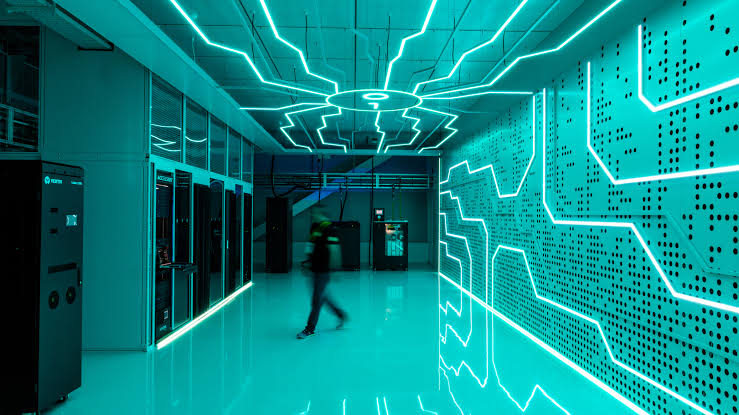
The rapid advancement of artificial intelligence has ushered in a transformative era for global technology, economics, and human productivity. From large language models capable of generating humanlike prose to specialized machine learning algorithms driving medical breakthroughs, computational capabilities are expanding at an unprecedented rate. However, this digital revolution relies heavily on a massive physical infrastructure network composed of hyperscale data centers. While these facilities operate quietly behind modern cloud services, their footprint on natural resources is substantial and rapidly growing. Understanding the AI data center environmental impact has become an urgent priority for policymakers, corporate leaders, and environmental scientists across the globe.
As artificial intelligence workloads transition from traditional computing to high-density neural network training, the resource requirements of modern server infrastructure have skyrocketed. These facilities require vast electrical power to operate thousands of specialized processing units simultaneously. Furthermore, they demand millions of liters of freshwater to cool hot equipment and prevent system failures. In developing economies like India, where digital infrastructure is expanding alongside existing ecological vulnerabilities, the dual pressure on power grids and municipal water supplies presents a critical policy challenge that requires immediate attention.
The Rising Resource Intensity of High-Density Computing
Traditional enterprise data centers historically operated with relatively predictable power densities, accommodating standard server racks that consumed modest electrical loads. The advent of modern generative artificial intelligence has completely altered this equation. Training a single complex machine learning model requires thousands of Graphics Processing Units (GPUs) running continuously for weeks or months. These specialized chips draw significantly more electrical power than standard central processing units, generating immense heat that must be dissipated to maintain hardware stability.
To dissipate this thermal energy, facility operators frequently rely on evaporative cooling systems. Evaporative cooling is favored because it is cost-effective and energy-efficient compared to purely mechanical refrigeration. However, this approach consumes massive amounts of potable water. Water is evaporated into the atmosphere to chill the air circulating through server racks, effectively consuming liquid resources that cannot be easily recaptured locally. Consequently, assessing the broader AI data center environmental impact requires examining both power consumption and direct water extraction, as both metrics contribute significantly to regional resource strain.
The scaling metrics associated with AI deployments indicate that thermal management will become even more challenging in coming years. As chips become smaller and denser, their thermal output per square meter increases exponentially. Facilities designed just a few years ago are struggling to handle modern heat loads without escalating their overall water usage. This dynamic creates a direct tradeoff: operators must either consume significantly more electricity to run energy-intensive mechanical chillers or consume vastly more water through evaporative methods.
India at the Crossroads of Digital Growth and Water Scarcity
India represents one of the fastest-growing data center markets in the world, driven by widespread smartphone adoption, cheap mobile data, and government initiatives promoting localized data storage. Major urban centers such as Mumbai, Chennai, Bengaluru, and Hyderabad have turned into major hubs for facility development. However, these metro areas also frequently encounter seasonal water shortages, ground-water depletion, and urban heat island effects.
Placing resource-intensive computing facilities in areas with existing water stress creates a complex ecological scenario. While data centers generate economic growth, construction jobs, and digital capability, their operational phase places continuous demands on municipal water networks and local aquifers. During dry months or periods of delayed monsoons, local communities and agricultural sectors must compete with commercial infrastructure for access to essential water resources.
Furthermore, the localized AI data center environmental impact is particularly severe in rapidly growing tech hubs where infrastructure development outpaces regional environmental governance. When facilities extract water from underground aquifers or draw heavily from municipal reservoirs, they lower water tables and reduce available supplies for surrounding populations. If electrical grids in these regions continue to rely heavily on fossil fuels, the operational carbon footprint of these computational hubs further compounds existing air quality and climate challenges.
Regulatory Frameworks and Assessment Deficits
One major challenge in addressing these ecological consequences is the lack of standardized regulatory mechanisms tailored specifically to hyperscale data infrastructure. In many jurisdictions, environmental regulations for industrial developments were drafted long before the rise of cloud computing and artificial intelligence. Traditional Environmental Impact Assessments (EIAs) often categorize data centers alongside light commercial real estate rather than heavy industrial infrastructure.
As a result, operators are rarely required to disclose detailed metrics regarding their localized water usage effectiveness (WUE) or long-term impacts on local water tables. Metrics such as Power Usage Effectiveness (PUE) have long served as the industry benchmark for measuring energy efficiency. However, PUE measures only how efficiently a facility uses electricity relative to its IT load; it completely ignores the volume of water consumed to achieve that efficiency score.
Without mandatory reporting standards, public officials and environmental researchers struggle to evaluate the real-world ecological costs of computational expansion. Regulatory bodies must evaluate the AI data center environmental impact through mandatory environmental audits, clear zoning laws, and comprehensive baseline studies conducted before granting operational licenses for new facilities.
Engineering Innovations for Sustainable Facilities
Addressing the ecological challenges of high-density computing requires structural changes in infrastructure design, energy sourcing, and thermal management. Fortunately, technological innovations designed to reduce the AI data center environmental impact are emerging across the technology and engineering sectors.
- Direct Liquid Cooling and Immersion Systems: By circulating non-conductive dielectric fluid directly over server components, immersion cooling eliminates the need for massive evaporative cooling towers. This approach dramatically reduces freshwater consumption while improving heat transfer efficiency.
- Closed-Loop Water Recycling: Facilities can implement advanced closed-loop systems that continuously recirculate cooling fluid rather than evaporating it into the atmosphere. Integrating zero liquid discharge (ZLD) technologies ensures that water is treated and reused on-site.
- Alternative Water Sources: Instead of tapping into potable municipal water supplies or fresh groundwater aquifers, modern facilities can utilize treated industrial wastewater or municipal greywater for thermal management.
- 24/7 Carbon-Free Power Agreements: Moving beyond annual carbon offsets, facility operators can contract directly with renewable energy providers to supply continuous solar, wind, and battery-stored energy directly to the grid powering their operations.
Implementing these solutions requires higher upfront capital expenditure, but it significantly mitigates long-term operational risk and environmental degradation. As regulatory scrutiny increases globally, adopting sustainable building practices will become a business necessity rather than an optional corporate social responsibility initiative.
Strategic Roadmap for Sustainable Technological Expansion
To effectively manage the AI data center environmental impact while maintaining rapid digital development, stakeholder collaboration across public and private sectors is essential. State authorities and urban planners must establish clear environmental criteria for data center construction, particularly regarding site selection. Facilities should be directed away from water-stressed basins and toward regions with abundant renewable energy capacity and non-potable water access.
Additionally, technology companies must prioritize transparency by publishing standardized environmental reports detailing energy usage, water consumption sources, and carbon emissions. Combining regulatory oversight, technological innovation, and corporate accountability will ensure that the growth of artificial intelligence does not come at the expense of basic ecological stability and public resource accessibility. Balancing technological ambition with environmental stewardship remains one of the defining challenges of the modern digital age.
Read More