





 Monday, 06-07-26








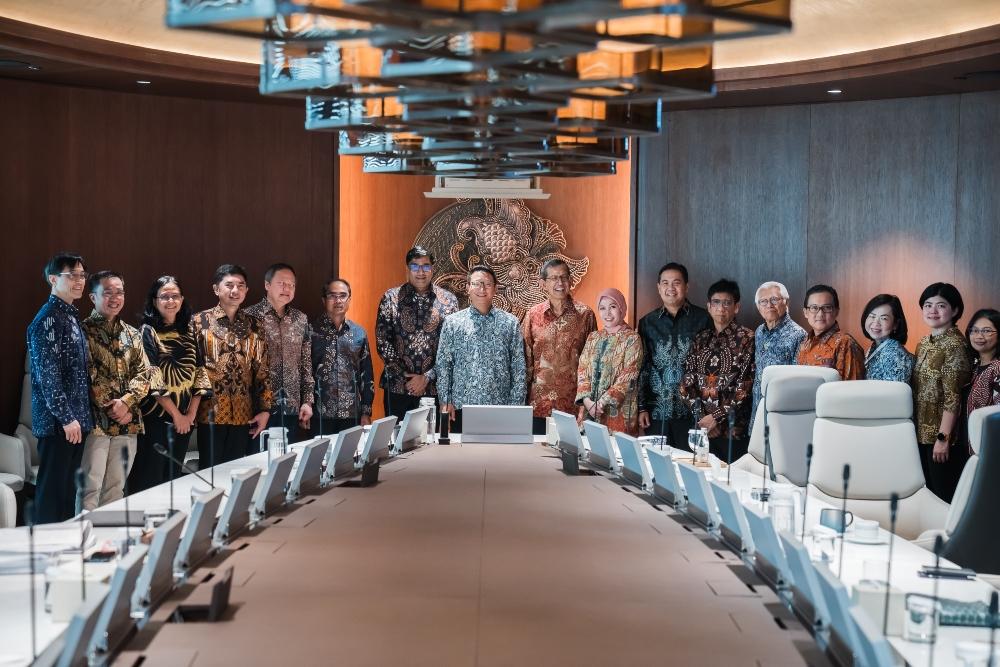
PT Infra Fiber Teknologi is emerging as one of the most important new stories in Indonesia’s digital infrastructure market. The company was launched on 2 July 2026 through a strategic partnership between Indosat Ooredoo Hutchison and Arsari Group, with a mandate to operate as an independent, open access fiber infrastructure platform. According to Indosat’s official release, IFT will manage more than 86,000 kilometers of fiber network and is designed to support broader connectivity, wholesale partnerships, and AI ready digital services across the country.
This matters because the fiber infrastructure platform is not just a corporate restructuring story. It reflects a larger shift in how Indonesia is thinking about connectivity, capital, and long term digital readiness. The transaction allows Indosat to monetize fiber assets, secure gross proceeds of around Rp11.7 trillion, and still keep a strategic economic stake through the new investment structure. At the same time, the platform is built to extend high quality connectivity beyond the most developed urban corridors.
What PT Infra Fiber Teknologi Actually Is
PT Infra Fiber Teknologi, or IFT, is a newly launched independent fiber digital infrastructure platform. Indosat says the business was created through a strategic partnership with Arsari Group and is set up with open access governance so it can serve multiple wholesale customers rather than operate only as an internal captive network. The official release says IFT will work with telecom operators, enterprises, hyperscalers, and digital service providers.
The scale is important. IFT will manage a network footprint of more than 86,000 kilometers, spanning backbone routes, domestic subsea cable, and access networks. That makes the fiber infrastructure platform relevant not only for metro connectivity, but also for interisland traffic and national backbone resilience. In practical terms, the company is being positioned as a core layer of Indonesia’s digital economy rather than a niche telecom asset.
Arsari Group’s involvement also adds a long term investment angle. In the company’s own release, Arsari describes itself as a diversified Indonesian investment group focused on sustainable economic development and long term value creation. The group is led by Hashim S. Djojohadikusumo, and the partnership signals that IFT is intended to be a strategic infrastructure vehicle, not a short term financial play.
Why The Deal Matters For Indosat
For Indosat, the fiber infrastructure platform serves a dual purpose. First, it unlocks value from fiber assets that had become increasingly important in supporting digital traffic growth. Second, it gives the company fresh capital to reinvest in its core telecom business. The official release says the gross proceeds of around Rp11.7 trillion will support further investment in connectivity, 5G expansion, and AI ready digital services.
That is a strategic move, not just a balance sheet move. Indosat is essentially separating infrastructure ownership from broader telecom monetization while still preserving strategic exposure to the asset class. In a market where data consumption keeps rising and enterprise clients expect stronger service reliability, this kind of capital recycling can improve flexibility. The company does not have to carry the full burden of network ownership while also funding the next generation of digital services.
The transaction structure also gives Indosat room to sharpen its business focus. Rather than treating fiber purely as a cost center, the company can treat it as a monetizable infrastructure layer. That is one reason the fiber infrastructure platform concept is gaining traction in telecom markets globally. It lets operators convert passive assets into capital for innovation, while specialized infrastructure entities manage expansion, wholesale access, and network optimization. Indosat’s release makes that logic very clear.
How Open Access Changes The Competitive Landscape
The open access model is one of the most important features of IFT. Instead of reserving capacity for a single operator, the fiber infrastructure platform is designed to be shared across multiple customers under wholesale arrangements. That can help lower barriers for smaller operators, enterprise buyers, and cloud related players that need dependable fiber without building everything from scratch. Indosat says this structure is intended to broaden partnership opportunities and accelerate high quality connectivity nationwide.
Open access also matters because Indonesia’s digital demand is diversifying. Connectivity is no longer only about consumer mobile usage. It also includes enterprise cloud migration, data center interconnects, AI workloads, financial services, public sector systems, and content delivery. A neutral fiber infrastructure platform is better positioned to serve that mix than a closed network built around a single company’s internal needs.
This is where the article’s strategic significance becomes clearer. The new entity is not simply a fiber company. It is a wholesale infrastructure layer for the next stage of Indonesia’s digital growth. If the model works, it could create more predictable access, better asset efficiency, and a stronger ecosystem for operators and digital companies that depend on stable backhaul and transport capacity.
What It Means For Indonesia's Connectivity Gaps
Indosat’s release is explicit about the connectivity challenge. It says Indonesia’s digital economy is growing quickly, but access to high quality connectivity is still uneven. The release specifically notes service gaps in Sumatra, Kalimantan, Sulawesi, and Eastern Indonesia, where weak infrastructure can limit access to education, healthcare, finance, and economic opportunity. That makes the fiber infrastructure platform relevant far beyond the telecom industry.
The geography of the network also matters. Indosat says about 45 percent of IFT’s network is in Java and 55 percent is outside Java. That distribution suggests a deliberate attempt to support broader national inclusion rather than concentrating only on the most profitable urban markets. For a country as geographically fragmented as Indonesia, that is a meaningful detail. A network with reach outside Java can support more balanced digital development.
This broader coverage is also why IFT’s launch should be read as part of national infrastructure policy, not just corporate strategy. Indonesia needs more than fast consumer broadband. It needs stronger transport layers for business traffic, better interisland resilience, and a network foundation that can support future applications. The fiber infrastructure platform is being built with exactly that use case in mind.
Why Investors Should Pay Attention
From an investor standpoint, the fiber infrastructure platform is interesting because it sits at the intersection of infrastructure, digital transformation, and asset monetization. Those are three themes that tend to attract long term capital when they are combined with stable governance and predictable demand. Indosat says IFT has an independent governance structure and is intended to attract institutional investment and strategic partnerships over time.
There is also a clear market logic behind the move. Fiber is increasingly essential to 5G expansion, cloud services, and AI related infrastructure. Reuters has reported that Indosat’s broader transaction is designed to support investment in core telecom operations, including 5G and AI ready services, while the company keeps a strategic stake in the fiber business through the new structure. That creates a capital light path to growth compared with keeping all infrastructure on the operator’s own balance sheet.
For market watchers, the key question is execution. Can the fiber infrastructure platform expand quickly enough to justify the strategic case? Can it serve multiple customers efficiently? Can it help close connectivity gaps outside Java while still creating acceptable returns? Those are the metrics that will determine whether IFT becomes a reference model or simply another corporate restructuring headline.
The Bigger Strategic Picture
The launch of IFT fits a larger pattern in Southeast Asia’s digital economy. Telecom groups are increasingly separating infrastructure assets from service businesses so they can raise capital, improve efficiency, and focus on higher value layers like AI services, enterprise solutions, and cloud enabled products. In that sense, the fiber infrastructure platform model is not an isolated experiment. It is part of a wider industrial trend.
What makes the Indonesian case compelling is the scale of the need. A network that reaches beyond the core urban economy has the potential to support more inclusive digital growth. If the fiber infrastructure platform succeeds, it could help make connectivity more affordable, more reliable, and more widely available across the archipelago. That would matter not only for operators, but also for startups, public services, manufacturers, and communities that depend on digital access to participate in the economy.
In short, PT Infra Fiber Teknologi is more than a new company. It is a signal that Indonesian telecom infrastructure is entering a more modular and more strategic era. The fiber infrastructure platform model gives Indosat fresh capital, gives Arsari Group a long horizon asset, and gives the market a new wholesale layer for digital growth. If the strategy holds, it could become one of the more important infrastructure stories in Indonesia’s telecom sector this year.
Read More