





 Saturday, 10-10-26








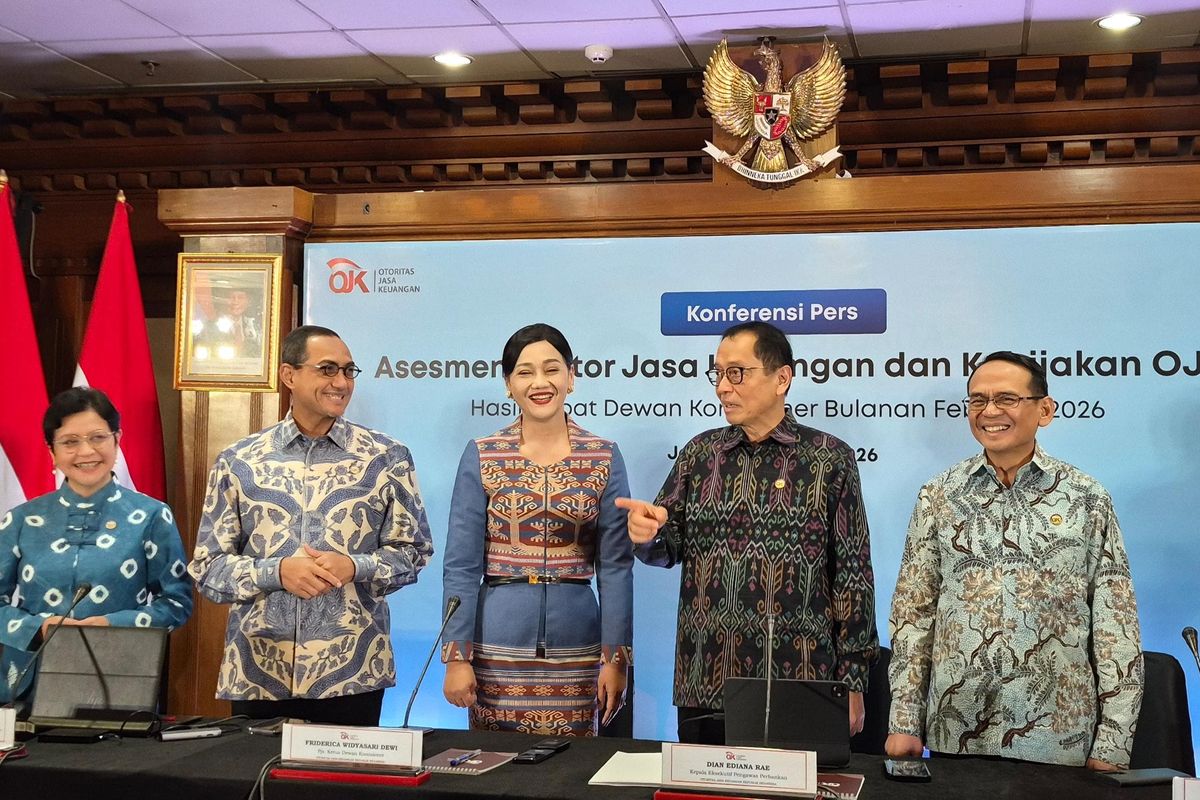
On 24 June 2026, Indonesia’s Financial Services Authority, or OJK, formally moved finfluencer oversight into a stricter legal framework through POJK No. 6/2026 on the conduct of financial information providers. The rule is built around a simple standard: financial information must be clear, accurate, honest, easy to access, and not misleading. It also gives OJK a formal path to issue written orders and terminate access to electronic media when necessary, which makes the finfluencer regulation more than a public warning. It is now a compliance regime with real enforcement tools. OJK says this fits its broader mandate to regulate, supervise, examine, and investigate the financial sector.
Why OJK Is Moving Now
The timing makes sense. Social media has become one of the fastest ways for people to learn about investing, trading, and digital finance, but it also spreads hype, half truths, and conflicted promotions just as quickly. OJK has already said it was preparing a finfluencer framework to strengthen consumer protection, while its Satgas PASTI team has blocked access to social media content and URLs that promoted unlicensed digital asset offers. The regulator’s message is consistent: the online market for financial attention can no longer operate with vague boundaries.
That is why the finfluencer regulation matters beyond one headline. OJK is not simply reacting to viral content. It is responding to the fact that investment decisions are increasingly shaped by short clips, creator recommendations, and social proof, often before a consumer ever reads a product disclosure. In that environment, a misleading post can travel faster than any correction. The new rule is OJK’s attempt to close that gap before it becomes a larger consumer loss problem.
What The Finfluencer Regulation Changes
The new POJK defines a financial information provider as a party other than a financial services business actor that disseminates information about the financial services sector, either to improve literacy or influence consumers and the public in using products and services. The scope is broad on purpose. It covers education, marketing, and recommendations, which means the finfluencer regulation does not treat every creator the same way. It separates neutral explanation from persuasive promotion and from advice that can affect investment decisions.
That distinction is important for anyone building content in finance. Under the rule, a creator can work with a financial institution for marketing, but the institution remains responsible for the information that is distributed. If a creator gives product recommendations, the activity must meet the licensing requirements that apply to that type of recommendation. In capital markets, that can mean an investment adviser license. For digital financial assets, the provider needs the relevant competency certification and knowledge. In other words, the finfluencer regulation treats advice as a regulated activity, not just as content.
The structure of the rule also suggests a practical line that many creators will need to respect. General education is still possible, and even collaboration with firms is still possible, but once the content starts to move into product selection, persuasion, or recommendation, the compliance burden rises sharply. That is an inference from the way the POJK separates education, marketing, and recommendation duties.
Enforcement, Sanctions, And Content Removal
OJK has already shown that it is prepared to enforce market conduct rules against social media actors. In February 2026, it imposed an administrative fine of Rp5.35 billion on a social media influencer, BVN, after finding stock price manipulation tied to social media dissemination. The case matters because it shows OJK is willing to treat online influence as a market integrity issue, not only a communications issue. The finfluencer regulation now builds on that enforcement posture.
The draft rule is also explicit about sanctions. OJK can impose written warnings, fines, business restrictions, business suspension, license revocation, approval cancellation, and registration cancellation. It can also take certain other actions and publicly announce sanctions to the public. Just as important, the draft says sanctions can also apply to parties that cause the violation, which raises the accountability stakes for firms, agencies, and commercial partners behind the content.
There is also a carefully drawn path for collaboration. Securities firms can work with social media creators, but only through a written agreement that defines the scope. A creator may provide advertising space or general market information without personal analysis, but once the role becomes offering services or giving recommendations, the authorization standard becomes much stricter. That balance shows the finfluencer regulation is not meant to shut down every partnership. It is meant to make those partnerships traceable, disclosed, and accountable.
What It Means For Investors And Brands
For investors, the biggest benefit of the finfluencer regulation is likely a cleaner information environment. It should become easier to distinguish between educational content and content designed to move product sales or sentiment. That does not remove risk, because misleading narratives can still spread quickly, but it raises the cost of careless or deceptive promotion. Investors still need to verify licenses, check the product source, and treat guaranteed return claims as a red flag rather than a promise. This is the practical implication of OJK’s insistence on clarity, accuracy, honesty, and non misleading communication.
For brands, the rule pushes influencer marketing in finance into a more formal operating model. Written contracts, scope definitions, disclosure language, internal review, and license checks are no longer optional extras. Campaigns may become slower to launch, but they should also become easier to audit and safer to defend. That matters in a market where OJK has already sanctioned market manipulation cases and where illegal offers on social media have become a recurring supervisory concern. In that sense, compliance is also brand protection.
Why The Finfluencer Regulation Matters Beyond Indonesia
Indonesia is not alone. Other regulators are also treating social media as a financial distribution channel that needs supervision. In the United Kingdom, the Financial Conduct Authority and foreign regulators have coordinated takedown efforts against illegal financial promotions online, including requests to remove content. The broader global trend is clear: financial influence on social platforms is now being handled as a regulated market activity, not a free for all. OJK’s finfluencer regulation fits that direction closely.
The real significance of this change is cultural as much as legal. OJK is drawing a line between creator-led financial commentary and regulated financial communication. That line will probably feel uncomfortable to some social media personalities, but it may also restore credibility to creators who do their work carefully. If implemented well, the finfluencer regulation could reduce deception, improve the quality of financial information, and make responsible education more valuable. For Indonesia’s fast-growing digital finance audience, that is a meaningful shift.
Read More