





 Wednesday, 24-06-26








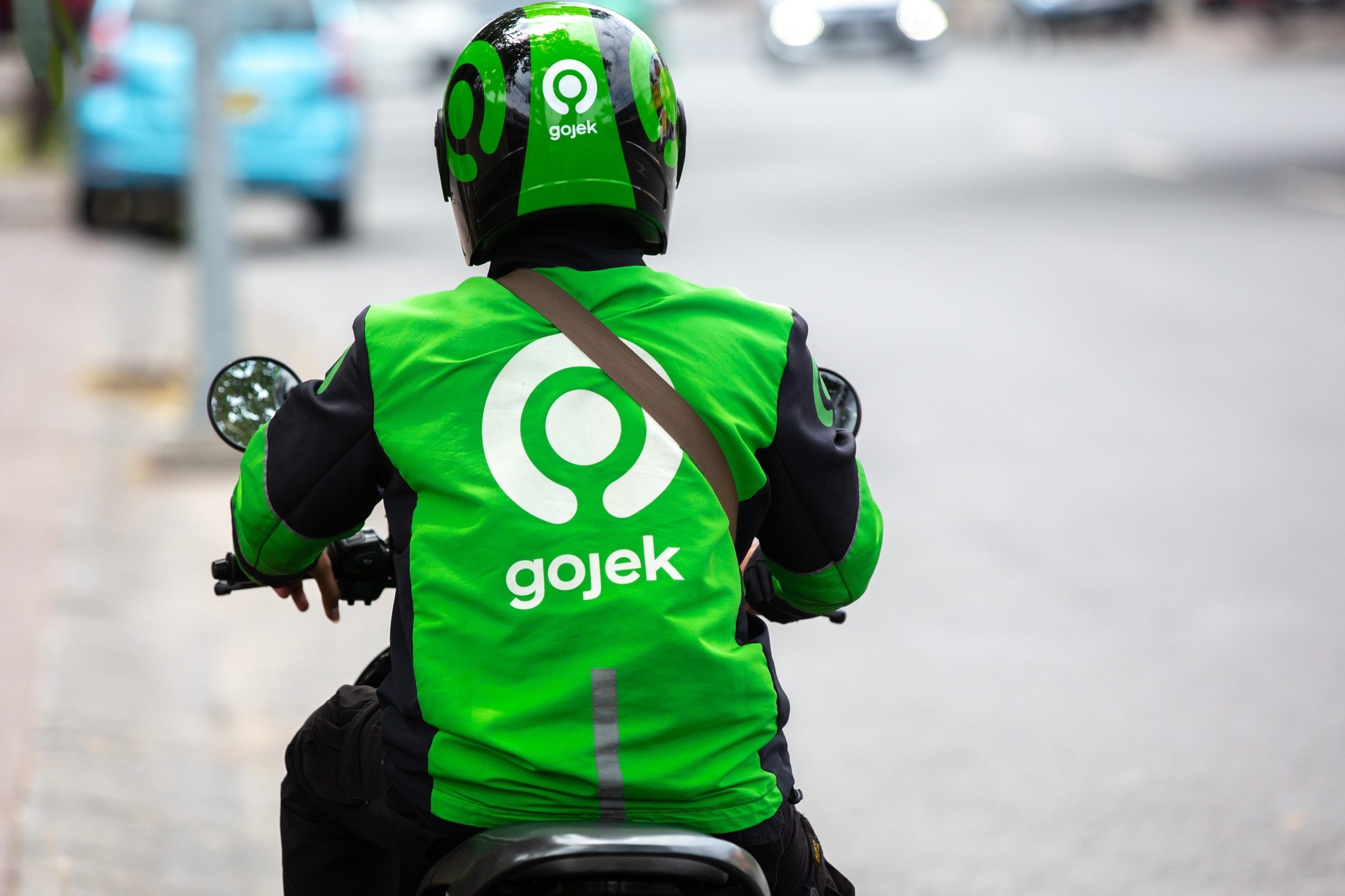
Indonesia's latest ride-hailing commission cut is more than a pricing tweak. It is a structural shift in how platform companies, drivers, and regulators share value in one of Southeast Asia's most competitive mobility markets. GoTo and Grab have said they will lower the commission on two-wheeled rides from 20 percent to 8 percent starting July 1, 2026, following pressure from the government and a presidential cap announced earlier this year.
The move matters because the motorcycle taxi segment, or ojol, is not a side business in Indonesia. It is a core part of urban transport, daily income for millions of drivers, and a major customer acquisition channel for the country’s largest digital platforms. For many drivers, the difference between a 20 percent cut and an 8 percent cut can change take-home income in a visible way, especially as fuel, maintenance, and living costs remain under pressure.
Why The Ride-Hailing Commission Cut Matters
At its simplest, the ride-hailing commission cut is a redistribution of trip revenue. Under the new arrangement, drivers keep 92 percent of earnings from each two-wheeled ride, while the platform takes 8 percent. Reuters reported that GoTo and Grab will begin applying the new rate on July 1, 2026, and local coverage in Indonesia confirmed that the policy is tied to the government’s broader push to improve driver welfare.
That shift did not appear overnight. President Prabowo Subianto first announced the 8 percent cap during a May Day speech on May 1, 2026, but the announcement initially lacked a clear implementation timeline. The later confirmation from GoTo and Grab gave drivers the certainty they had been waiting for, while also turning a political promise into an operational reality.
From an SEO perspective, this story sits at the intersection of regulation, labor economics, and digital platform strategy. Search interest is likely to cluster around phrases such as ride-hailing commission cut, ojol commission, GoRide commission, GrabBike commission, and Indonesia ride-hailing policy. The main keyword should therefore capture the economic change itself, not just the company names, because readers are likely searching for the policy impact first and the corporate response second. This article uses ride-hailing commission cut as the primary keyword for that reason.
The timing also makes the policy more significant. Indonesia is moving into a phase where platform labor, digital market power, and consumer affordability are being debated in the same conversation. A lower commission may help drivers retain more income per trip, but it also raises questions about how platforms will preserve margins, manage incentives, and keep fares competitive in a market where both growth and regulatory scrutiny remain intense. That is the central tension behind the ride-hailing commission cut.
What GoTo And Grab Are Changing
GoTo said it will apply the 8 percent commission to GoRide, its motorcycle ride-hailing service, effective July 1, 2026. Grab Indonesia said it will do the same for GrabBike on the same date. Both companies made the announcement after a coordination meeting with leaders in Indonesia’s House of Representatives, underscoring how closely this policy has been linked to state intervention and public pressure.
The practical effect is straightforward. A driver completing a motorcycle ride will keep a larger share of each transaction, while the platform’s direct commission shrinks. Reuters noted that the policy applies to two-wheeled drivers in Indonesia and reduces the per-trip commission from 20 percent to 8 percent. Suara Surabaya reported the same 8 percent change and highlighted that the companies publicly framed the decision as support for driver welfare.
For drivers, the announcement is politically symbolic and financially tangible. The past few years have seen repeated complaints from ojol communities about high deductions, opaque incentives, and the rising cost of operating a motorcycle in dense urban areas. Even modest improvements in net income can matter in a profession where earnings fluctuate with weather, traffic, demand, and algorithmic allocation. That is why the ride-hailing commission cut has generated such strong attention from driver groups and the public.
For GoTo and Grab, however, the change is not costless. A lower commission can tighten unit economics, especially if the platforms absorb the cut without offsetting it through higher order volumes, stronger retention, or better monetization elsewhere in the ecosystem. Reuters reported in January that the planned regulation could threaten profitability in Indonesia, which is both a reminder of the market’s importance and a signal that the policy could squeeze margins if growth does not compensate. That is an inference based on Reuters’ reporting, but it is a reasonable one.
The companies are also navigating a reputational question. By aligning quickly with the government’s direction, they avoid appearing resistant to driver concerns. At the same time, they signal to regulators that they are willing to adapt rather than fight a politically popular policy. In a market as visible as Indonesia’s, that reputational capital can be as important as a few percentage points of commission.
The Business Case Behind The Policy Shift
The ride-hailing commission cut should not be read only as a labor issue. It is also a strategic signal about where Indonesia wants its digital economy to go. The government’s framing, including the presidential press statement and the later regulation, suggests a broader effort to make platform work more equitable and to formalize the distribution of income in digital labor markets.
That matters because the ojol sector sits at the center of Indonesia’s app economy. Ride-hailing platforms are not just transport companies. They are payment rails, logistics networks, consumer marketplaces, and behavioral data engines. When the commission structure changes, the effects can ripple through food delivery, promotions, driver incentives, and customer pricing strategies. In other words, the ride-hailing commission cut may look narrow, but its operational consequences are broad.
There is also a policy precedent here. Indonesia is effectively telling the market that the era of platform pricing autonomy is not unlimited. That does not mean the state will manage every rate, but it does mean politically sensitive labor models are now part of formal regulation. For investors, this raises a familiar question: can platform companies scale profitably in a market where commissions are capped and public expectations are rising?
Drivers, meanwhile, are likely to see the announcement as validation. A lower commission does not solve every problem in the sector, but it does acknowledge a basic grievance that has fueled protests and negotiations for years. It also offers a clearer baseline for earnings, which can help workers plan more effectively around fuel, service, and daily cash flow. That is why the ride-hailing commission cut has been received as a meaningful win even before the new rate takes effect.
What To Watch After July 1, 2026
The key question after implementation is whether the ride-hailing commission cut translates into durable driver welfare gains or whether it is partly absorbed by changes elsewhere in the platform model. The first signs to watch are order volume, driver satisfaction, fare stability, and whether either company adjusts incentives in response to thinner commissions. Reuters and local coverage both suggest the policy is a major market event, but the real test will be what happens after the first month of enforcement.
It will also be important to watch whether the 8 percent rate remains confined to two-wheeled transport or becomes a reference point for broader platform regulation. If the policy is perceived as successful, pressure may grow to revisit commission structures in adjacent services or to strengthen labor protections further. If the market response is negative, companies may push for operational flexibility or seek new revenue models to offset the loss.
For now, the headline is simple. Indonesia’s ride-hailing commission cut is real, it is scheduled to begin on July 1, 2026, and it changes the economics of ojol work in a visible way. For drivers, it is a welcome shift. For platforms, it is a reminder that scale in Indonesia now comes with tighter political and regulatory expectations.
Read More