





 Tuesday, 22-09-26








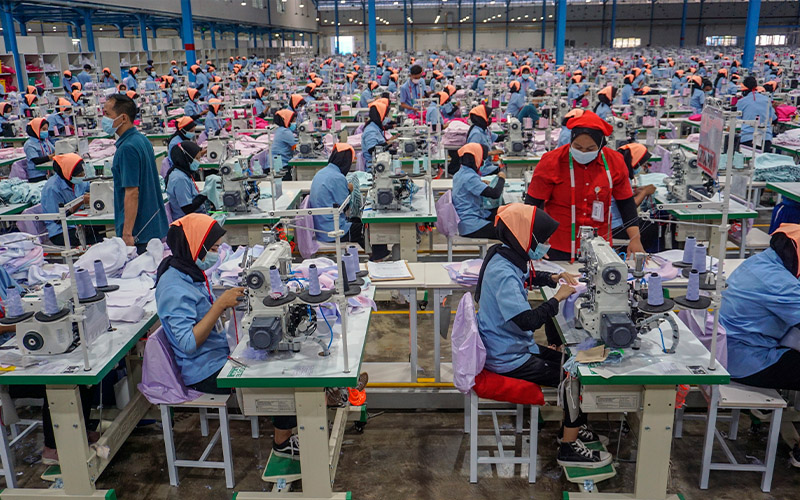
Indonesia is pushing hard to protect its export base as trade talks with the United States enter a more sensitive phase. Recent reporting says the government is seeking tariff exemptions for 18 Indonesian products, while officials also expect the broader U.S. tariff burden on Indonesian goods could rise to about 18% after the current temporary measure expires on 24 July 2026. That is why Indonesia tariff exemptions are now one of the most closely watched trade stories in the market.
The stakes are not small. Bloomberg Technoz reported that the Indonesian government is trying to secure exclusions for around 18 commodities and manufactured products from tariff treatment tied to U.S. trade investigations. ANTARA and Reuters also confirmed that Indonesia is in active discussions with U.S. trade authorities, with the country hoping that key exports can avoid heavier duties and keep their competitiveness in the American market.
What Indonesia Is Asking Washington For
The central objective is straightforward: keep the most commercially important products from being dragged into higher tariff exposure. According to Bloomberg Technoz, the government is seeking tariff exemptions for about 18 commodities and manufactured products, although the detailed list has not been disclosed publicly. That secrecy is not unusual in trade negotiations, especially when both sides are still testing the room for compromise.
What makes this round of Indonesia tariff exemptions more significant is the policy backdrop. USTR launched Section 301 investigations in March 2026 into structural excess capacity and production in manufacturing sectors across multiple economies, including Indonesia. A separate USTR investigation in March also covered forced labor concerns. By June, USTR said Indonesia had taken steps that meant it was not found to have failed to impose a forced labor import prohibition under the specific investigation report. That context helps explain why Jakarta believes it has a reasonable case for selected exemptions.
Reuters added another important layer. In February 2026, the United States and Indonesia reached a reciprocal trade agreement that reduced U.S. tariffs on Indonesian goods to 19% in the broad framework, while also granting exemptions for some key exports such as palm oil, coffee, cocoa, rubber, and spices. Reuters later reported that Indonesia expected the new 10% temporary tariff environment to end on 24 July 2026, after which the trade situation could tighten if no further relief is secured.
That is why the current request matters. It is not just about securing symbolic relief. It is about protecting products that already have strong demand, established supply chains, and strategic value for Indonesia’s export earnings. Indonesia tariff exemptions, in this sense, are a way to preserve market access before higher costs weaken margins and reduce shipment volumes.
Why The 18 Products Matter For Exporters
The most likely beneficiaries are sectors that already have established trade relevance and are vulnerable to price pressure if tariffs rise. Reuters has previously noted that palm oil, coffee, cocoa, rubber, and spices were among the products discussed in the broader U.S. trade arrangement. Bloomberg Technoz separately reported that the government expects some agricultural and manufacturing goods to be among the priority candidates for relief. Even without the full list being published, the direction of travel is clear: Jakarta wants products with export value and employment spillovers to stay as tariff-light as possible.
The logic is commercial as much as diplomatic. When tariffs rise, exporters often face one of three choices: absorb the cost, raise prices, or lose share. For commodities and manufactured goods competing in a sensitive U.S. market, none of those choices is attractive. Indonesia tariff exemptions can therefore act as a buffer that preserves competitiveness at a time when global buyers are already weighing logistics costs, currency moves, and demand uncertainty. This is an inference, but it follows directly from the tariff exposure described in the reporting.
The request also signals that Indonesia is trying to be selective rather than confrontational. Instead of asking for a blanket reversal, the government is pursuing targeted exclusions. That is often a more realistic trade strategy because it allows negotiators to identify goods that have limited strategic sensitivity for the U.S. but high economic importance for Indonesia. In trade talks, specificity can be more effective than broad political messaging.
For exporters, this is not just a policy headline. It is a planning issue. If the 18 products receive relief, the affected firms may retain pricing power and preserve U.S. demand. If not, those firms may need to redesign their sales strategy, reprice contracts, or look for alternative markets. The broader lesson is that Indonesia tariff exemptions can influence everything from factory utilization to shipment timing and inventory planning.
How This Fits Into The Broader U.S. Trade Negotiation
The trade picture between Indonesia and the United States has been evolving quickly in 2026. In February, Reuters reported a reciprocal trade deal that set most Indonesian goods at a 19% tariff while opening space for certain exemptions on key commodities. Later, as new U.S. tariff actions advanced through Section 301 mechanisms, Indonesia moved to defend the products it sees as most important to its export economy. The current push for Indonesia tariff exemptions is therefore part of a wider negotiation process, not an isolated request.
USTR’s Section 301 framework matters here because it gives Washington a formal legal route to investigate trade practices it considers burdensome. In June 2026, USTR published findings in its forced labor related Section 301 process and explained that the mechanism is designed to address unjustifiable, unreasonable, or discriminatory foreign practices affecting U.S. commerce. It also said consultations are part of the process. That means Indonesia’s lobbying effort is taking place inside a structured legal and policy channel, not just through informal diplomacy.
The most important signal from the recent reports is that Indonesia is not starting from zero. ANTARA reported that USTR plans to grant 18 tariff exclusion requests submitted by Indonesia, which suggests Jakarta’s case is being taken seriously. Bloomberg Technoz also said the government sees room for 18 commodities and manufactured products to be excluded. If that holds, Indonesia could secure a meaningful commercial win even if the broader tariff environment remains challenging.
Still, businesses should avoid reading this as a done deal. Trade negotiations can change quickly, especially when the policy environment is shaped by executive actions, ongoing investigations, and legal reviews. The fact that the broader U.S. tariff framework was tied to temporary measures that expire on 24 July 2026 means the timing is critical. Indonesia tariff exemptions may be granted, delayed, narrowed, or bundled with other trade concessions. The market should treat the current signals as encouraging, but not final.
What Businesses Should Watch Next
For Indonesian exporters, the next few weeks matter more than the headlines suggest. The companies most exposed to the U.S. market should be stress-testing their margins under multiple tariff scenarios. If exemptions are confirmed, they can preserve pricing and reinforce customer relationships. If the exemptions are partial, firms may need to prioritize higher-value shipments or shift more aggressively toward markets where tariffs are less punitive. That operational response is an inference, but it is the practical implication of the tariff risk described in the reporting.
For policymakers, the challenge is to convert diplomatic momentum into measurable trade relief. Selective Indonesia tariff exemptions can help preserve jobs, stabilize export earnings, and support sectors with strong spillover effects. But the larger lesson is that competitiveness depends on more than tariff deals. Logistics, product quality, compliance, and market diversification all matter when trade rules are in flux. The current negotiations may buy time, but they do not remove the need for structural resilience.
For investors and market watchers, this is a useful reminder that trade policy can move quickly from background noise to core business risk. A change in tariff treatment can alter earnings expectations for exporters, transport operators, and downstream manufacturers. It can also influence how firms think about capex, sourcing, and inventory. Indonesia tariff exemptions are therefore relevant not just to trade lawyers and diplomats, but to anyone tracking the country’s industrial and export outlook.
The larger story is clear. Indonesia is trying to lock in relief for 18 products before the tariff environment hardens again. The stakes include export competitiveness, factory utilization, and market access in the United States. Whether the final outcome is broad or partial, the push itself shows that Indonesia tariff exemptions have become a central piece of the country’s trade strategy in 2026.
Read More