





 Tuesday, 02-06-26








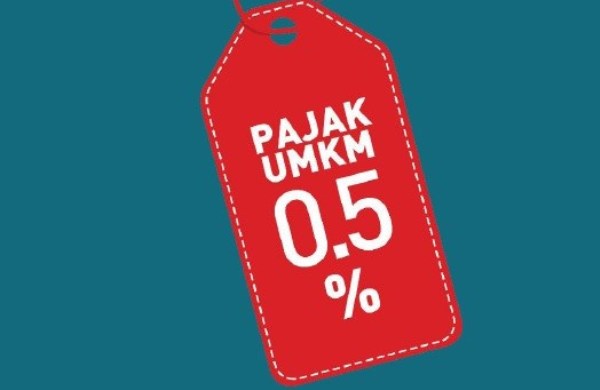
Indonesia's tax landscape is undergoing a significant transformation following the government's decision to revise the SME Final Income Tax scheme. The policy change, introduced through Government Regulation No. 20 of 2026, modifies the eligibility criteria for businesses seeking to benefit from the reduced final income tax rate of 0.5%.
For years, the SME Final Income Tax regime has served as a key incentive for small businesses by simplifying tax obligations and reducing administrative burdens. However, policymakers have argued that the previous framework created loopholes that enabled larger business groups to take advantage of tax benefits originally intended for genuine micro, small, and medium enterprises.
The latest reform seeks to address those concerns while maintaining support for entrepreneurs and small business owners. At the same time, economists and industry observers are debating the potential consequences for business formalization, investment, and long term economic growth.
Understanding the New SME Final Income Tax Rules
Under the revised regulation, the 0.5% SME Final Income Tax rate is now limited to individual taxpayers, single shareholder incorporated businesses, and cooperatives with annual gross revenue of up to Rp4.8 billion. Meanwhile, business entities such as limited liability companies (PT), partnerships (CV), firms, and several other corporate structures will no longer be eligible for the facility under the new framework.
The government introduced the change as part of broader efforts to improve tax fairness and ensure that tax incentives are directed toward their intended beneficiaries. Previously, some business groups were allegedly able to split operations into multiple smaller entities to remain under the revenue threshold and continue enjoying lower tax rates.
The revised regulation also emphasizes the concept of economic substance, allowing authorities to evaluate the actual economic relationship between businesses rather than relying solely on legal structures. This approach is expected to reduce opportunities for tax avoidance through business fragmentation.
For businesses that already benefited from the previous scheme before the regulation took effect, transition provisions are available until their existing eligibility period expires.
Why the Government Changed the SME Final Income Tax Scheme
One of the primary motivations behind the reform is improving tax equity. Policymakers believe that tax incentives should be reserved for businesses that genuinely need support rather than being utilized by larger organizations with more sophisticated tax planning capabilities.
Experts have pointed out that the old system created opportunities for "business splitting," where multiple legal entities were established despite operating as a single economic unit. This practice allowed certain businesses to continue benefiting from the lower tax rate even after reaching a scale that exceeded the intended scope of SME support.
The government also aims to strengthen tax revenue collection while maintaining a favorable environment for entrepreneurship. By narrowing the scope of the incentive, authorities hope to allocate fiscal resources more effectively and improve compliance within the broader tax system.
In addition, the reform aligns with Indonesia's ongoing efforts to modernize its tax administration and close loopholes that may undermine confidence in the taxation framework.
Impact on Small and Medium Enterprises
The impact of the SME Final Income Tax reform will vary depending on the type and structure of each business.
For sole proprietorships and individual entrepreneurs, the changes are largely positive. These taxpayers remain eligible for the 0.5% tax rate, allowing them to continue benefiting from a simple and predictable tax regime. The continuation of the incentive may encourage entrepreneurship and support business growth among micro and small enterprises.
However, businesses operating under corporate structures such as PTs and CVs may face higher compliance costs and more complex tax calculations. Once their eligibility period ends, they will generally transition to the standard corporate income tax framework.
For some growing businesses, this could increase operational expenses and require stronger financial management systems. Companies that previously relied on the simplified tax regime may need to invest in accounting capabilities, tax planning, and compliance processes.
Another concern raised by analysts is the possibility of creating a disincentive for business formalization. Entrepreneurs who are considering transforming their operations into larger corporate entities may hesitate if they perceive the transition as leading to significantly higher tax obligations.
Balancing tax fairness with incentives for business growth will therefore remain a critical challenge for policymakers.
Effects on Tax Compliance and Government Revenue
The revised SME Final Income Tax policy is expected to improve compliance by reducing opportunities for abuse.
Tax authorities have increasingly focused on ensuring that incentives reach their intended recipients. By restricting eligibility and adopting a substance over form approach, the government can more effectively identify businesses that attempt to artificially maintain SME status.
Improved compliance may also contribute to stronger government revenue collection over time. As businesses graduate from the SME category and move into standard taxation regimes, tax contributions could increase, supporting public spending priorities and national development programs.
At the same time, successful implementation will depend heavily on administrative capacity. Tax officials must provide clear guidance, consistent enforcement, and adequate support to affected businesses.
Without effective communication, the transition could create uncertainty among taxpayers and increase compliance risks.
Potential Economic Consequences
The broader economic implications of the SME Final Income Tax reform remain a subject of debate.
Supporters argue that the policy promotes fairness and strengthens the integrity of Indonesia's tax system. By eliminating loopholes and ensuring that incentives are properly targeted, the government can create a more level playing field for businesses of different sizes.
Critics, however, caution that higher tax obligations for certain business entities could reduce investment appetite and slow expansion plans. Small companies transitioning into medium sized enterprises may face increased financial pressure during critical growth stages.
There are also concerns regarding employment. If businesses experience higher tax burdens and administrative costs, some may delay hiring, postpone investments, or seek operational efficiencies to maintain profitability.
Nevertheless, the overall impact will likely depend on how businesses adapt and whether complementary government support programs are introduced. Access to financing, digital transformation initiatives, and business development services could help offset some of the challenges created by the new tax environment.
What Businesses Should Do Next
Business owners should carefully review their legal structure, revenue levels, and tax obligations under the revised regulation.
Companies currently benefiting from the SME Final Income Tax facility should assess whether they remain eligible and understand any applicable transition provisions. Early planning will be essential to avoid unexpected tax liabilities and ensure compliance with evolving regulations.
Entrepreneurs should also consider consulting tax professionals to evaluate the most appropriate business structure for their growth strategy. While tax considerations are important, decisions regarding incorporation should also account for financing opportunities, governance requirements, and long term expansion plans.
Ultimately, the reform signals Indonesia's commitment to building a more transparent and equitable tax system. Although some businesses may face short term adjustments, the policy could contribute to a healthier and more sustainable business environment over the long run.
Conclusion
The revision of Indonesia's SME Final Income Tax framework marks one of the most significant tax policy changes affecting small businesses in recent years. By limiting eligibility for the 0.5% tax rate to individual taxpayers, single shareholder companies, and cooperatives, the government aims to close loopholes, improve tax fairness, and strengthen compliance.
While the reform presents challenges for certain business structures, it also reinforces the original purpose of the SME Final Income Tax incentive: supporting genuine small enterprises. The success of the policy will depend on effective implementation, clear communication, and complementary measures that help businesses adapt to the new regulatory environment.
As Indonesia continues its economic transformation, the evolution of the SME Final Income Tax system will play an important role in shaping the future of entrepreneurship, investment, and sustainable growth.
Read More